Volunteering
At the Bliss Project, you can volunteer as long as you’d like—even just an afternoon—as long as there’s availability. Some stay several weeks, others for several months.
Day Volunteers
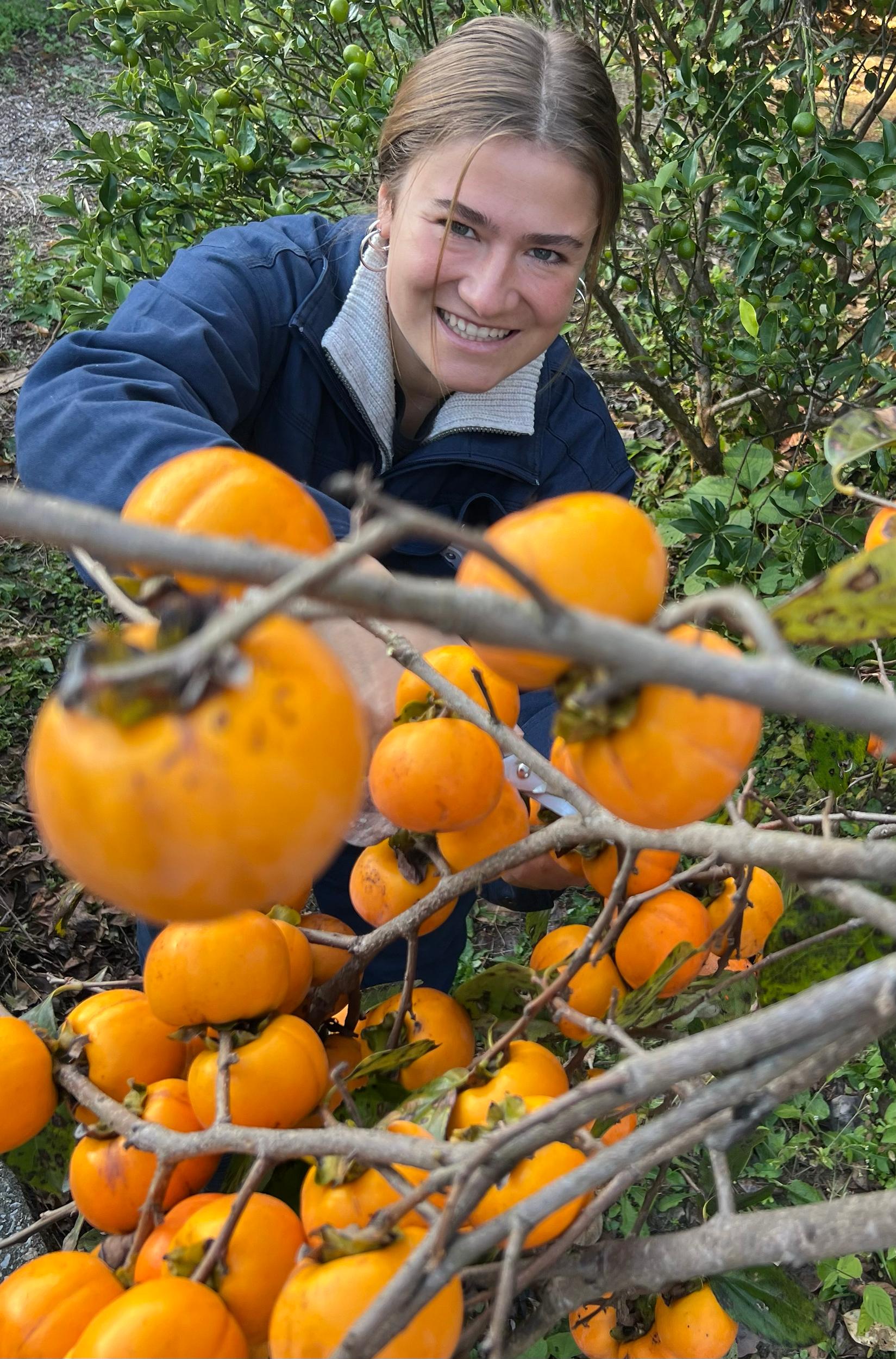
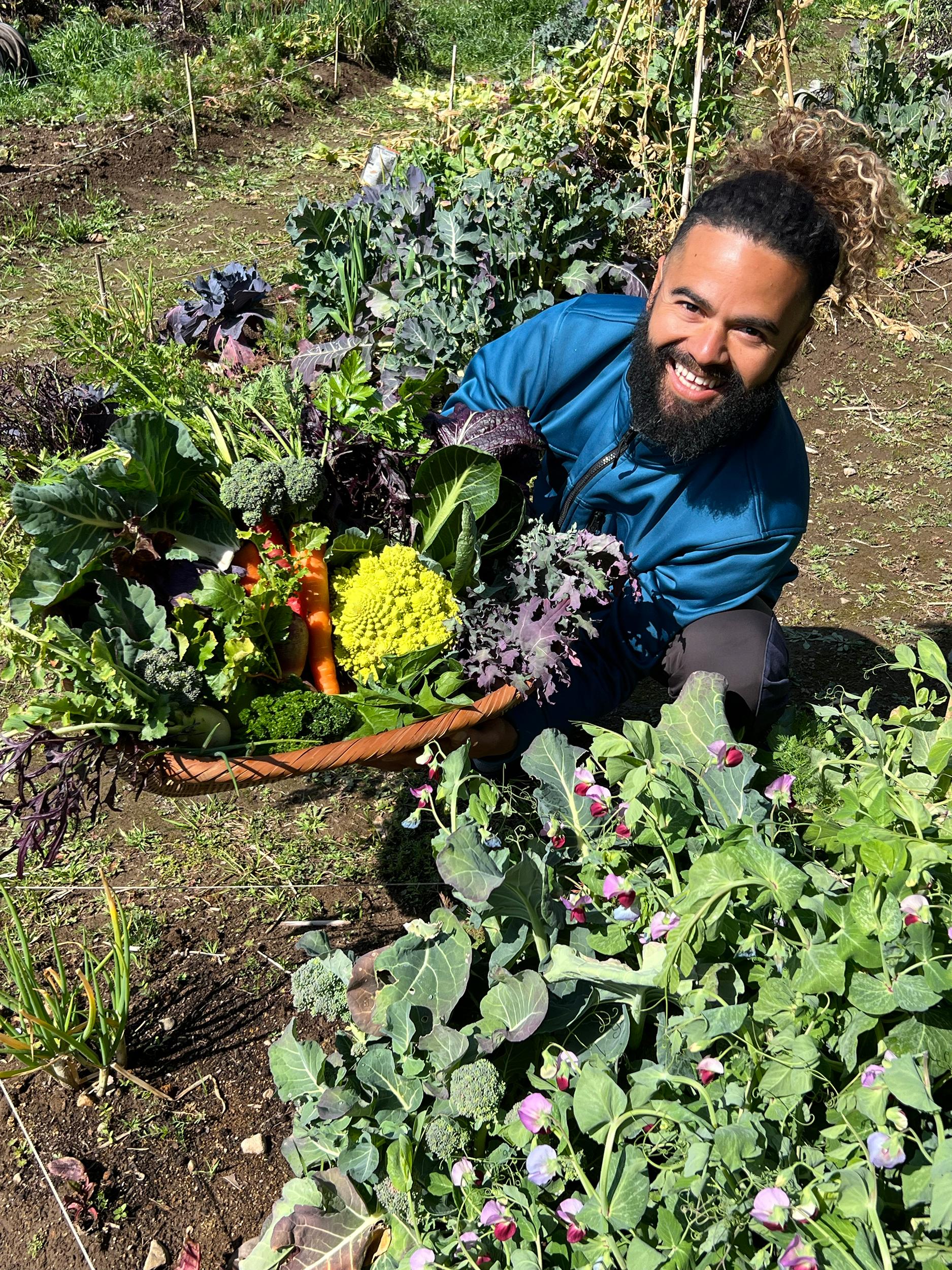
If you come for a day, you might sink your hands in the soil. Help with weeding, watering or clearing the forest. Or a multitude of other projects. Enjoy bringing home fresh organically grown seasonal veggies and fruits.
Longer-Term Volunteers
Spend time helping us revitalize this beautiful Meiji-era farm in the Japanese countryside. You’ll be able to try a variety of tasks, including sustainable gardening, maintaining the formal Japanese gardens, light forestry, DIY projects. Volunteers also have the opportunity to take advantage of the fantastic location—the charming historical Samurai town of Kitsuki, the ancient Buddhist temples of Kunisaki as well as beaches, rivers, waterfalls and mountains.
The Work
There’s no typical day at the Bliss Project. Gardening is the backbone of most volunteers’ time here—but depending on the season and your skills, you might find yourself completing a variety of tasks.
Garden/Farm/Forest
- Weeding the vegetable gardens
- Micro-weeding the moss gardens
- Trimming and pruning the Japanese formal gardens
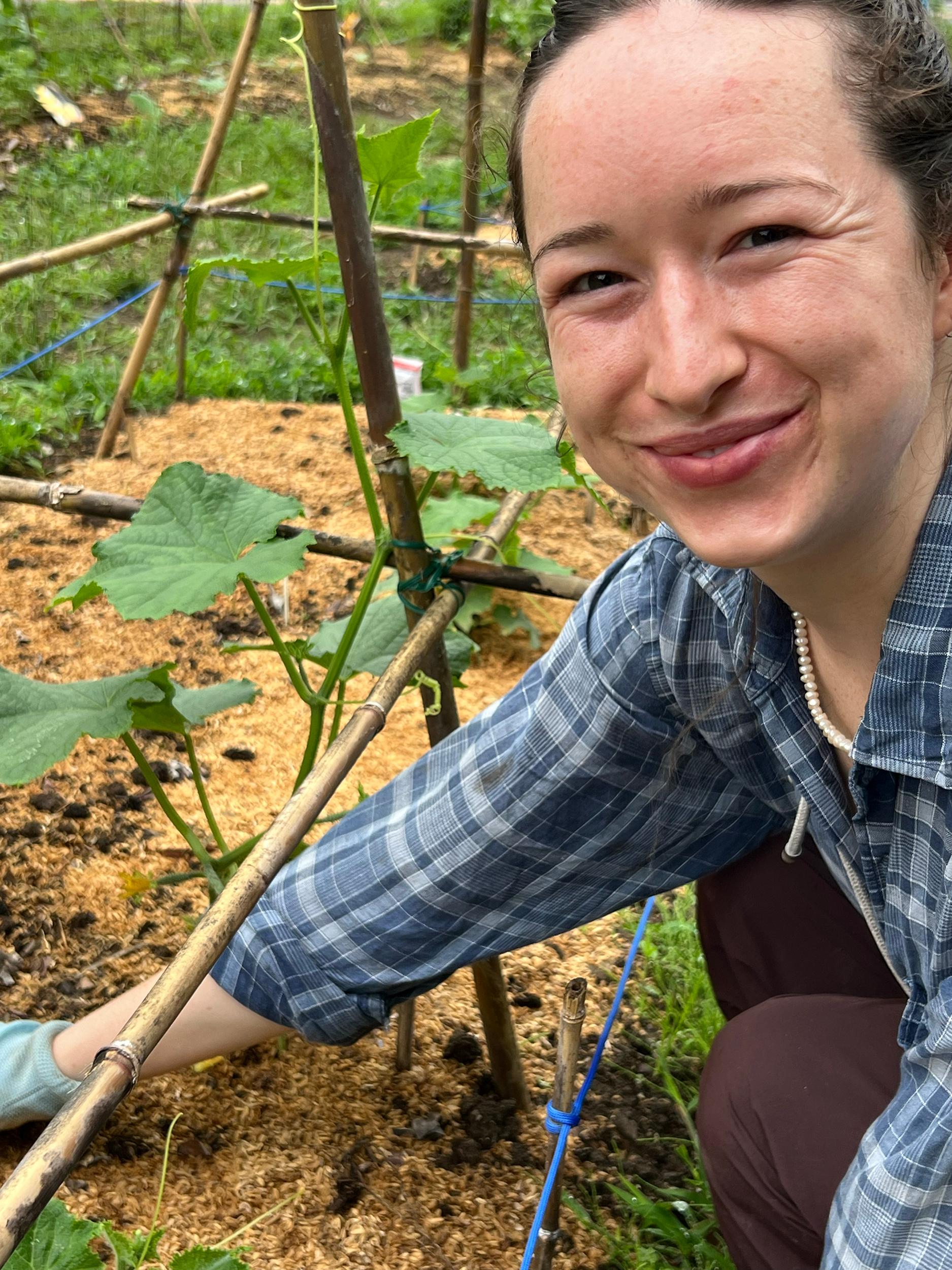
- Watering and planting
- Harvesting vegetables and fruit
- Orchard care
- Surrounding field maintenance
- Rice cultivation
- Removing bamboo
- Clearing overgrowth
- Old-growth forest maintenance
Buildings & Grounds*
- General cleaning and upkeep of the house and outbuildings
- Painting and staining
- Restoration work and light repairs
- Carpentry
Other / Project-Based Tasks
- Creative tasks such as mural painting
- Volunteer workshops (anything you can imagine that could be approved)
* If you have specialized skills — carpentry, machinery or power tools, stonemasonry or similar — please mention them during your application process. There may be a place for them here.
Frequently Asked Questions
What kind of work will I be doing?
Work includes vegetable and Japanese garden care (including weeding and watering), orchard work, forest maintenance, and some light building work. Tasks vary with the season, and you’ll have some say in what you take on.
How many hours a day do I work?
Four hours a day or 28 hours a week. The schedule is flexible for longer-term volunteers — with advance notice, you can work more one day and take the next off.
Do I need previous experience with gardening or DIY projects?
Not at all. We welcome people who want to learn. However, if you do have experience, with gardening, please let us know; we welcome that. If you have skills in carpentry, building, or other trades, those are always useful.
What’s provided?
A futon, sheets, and towels in a traditional Japanese room. Full use of the kitchen, bath, laundry, and AC. You’ll cook your own meals, but you’re welcome to help yourself to our organic seasonal homegrown vegetables, fruit, and rice as available.
Will I have a private room?
Possibly, but it’s not guaranteed. It depends on how many volunteers are here at the time. We try to keep numbers small — usually no more than 4 to 6 people.
Is there WiFi?
No, but it is easy to get an e-SIM or local data plan for your phone, and it works well in the area. You can connect to the local cellular network (3- to 5G) without an issue.
What’s the minimum stay?
No minimum, but most volunteers stay at least several weeks.
Location? Transportation options?
We’re in the countryside, south of Kitsuki in Oita Prefecture on the southern island of Kyushu, Japan. We are easily accessible by:
- Train: eight-minute drive from Kitsuki Station. Rapid trains run from Fukuoka, and local trains to Beppu and beyond.
- Bus: various options are possible.
- Plane: 25-minute drive from Oita Airport.
- Car, bicycle, or motorcycle: plenty of parking is available.
Is there anything to do in the town of Kitsuki?`
Yes. The charming town of Kitsuki — with a small castle, historic downtown, Samurai houses, temples, a supermarket, restaurants, and shops — is 2–3 km away. Two bikes are available for volunteers to share, and most people find that’s all they need to get around locally.
What about beyond Kitsuki?
Kyushu is one of Japan’s most varied islands — famous hot springs, beaches, mountains, hiking trails, historic shrines, and deep Samurai history are all within reach. Beppu, one of Japan’s most celebrated onsen (hot spring) resort towns, is just down the train line.
What are the house rules?
No smoking inside the buildings. No heavy drinking. Absolutely no drugs. Everyone is expected to keep shared spaces clean, respect others, be kind and pull their weight.
What if I come to volunteer and am not a good fit?
We do our best to make sure every volunteer has a positive experience. If things aren’t going well on either side, we’ll have an honest conversation — and we do reserve the right to end a stay if expectations aren’t being met.
How do I apply?
- Reach out via Facebook Messenger on Facebook to express interest and tell us when you’d like to come; feel free to ask any questions you might have
- Submit a resume (education, work history, relevant experience).
- Write about:
- why you’re interested in volunteering at the Bliss Project
- what you hope to learn while here
- what you hope to contribute
A casual online interview is required before approval.
Note: We do not provide visas or visa sponsorship. Please ensure you have the appropriate visa for your stay.
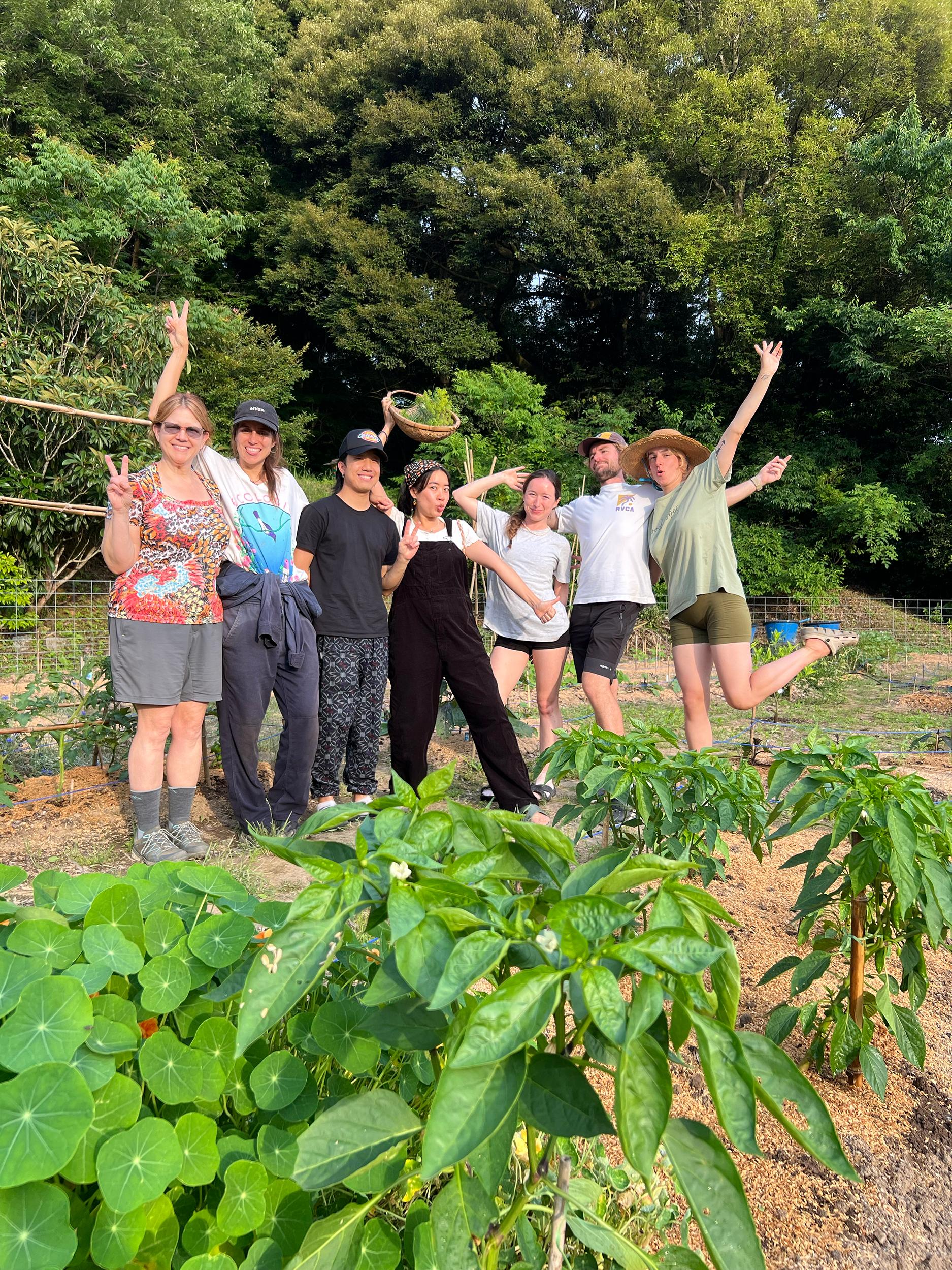
What Volunteers Are Saying
Farm work helped me realize how sacred simple food is.
I enjoyed waking up to birdsong and Japanese gardens and meeting travelers from all walks of life. I loved slowing down, starting at bugs, seeing so much life on the farm.
Doing the work reminded me how much care farmers put in to produce a simple grain of rice or a tomato that we mindlessly purchase in a supermarket. Beer and Chuhai somehow taste 5 times better after many hours of toil on the farm.
— Mandy (Malaysia)
A place with good vibes that feels like home
The Bliss Project is a place where you can feel at home. It’s a small, intimate setting with a nearby village, rice fields, and forest. The vibes here are incredible. You reconnect with nature by eating what you grow. People come from all over the world, each with something unique to contribute. You learn so much from everyone you meet.
— Remi (France)
A rewarding experience and exercise in Buddhist compassion
Eating what you grow is deeply rewarding. It also makes you think about the people who will come after you. We might plant a lot, but future volunteers will be the ones to enjoy it, just like we’re benefiting from the work of previous crews. In that way, farming here is an exercise in Buddhist compassion.
Meanwhile, it’s not easy—farming is tough work—but that’s what makes it so meaningful. You have to let go of expectations and just be present in the moment. Some days you do more, some days less. The key is accepting things as they are.
— Morgan (France)
A unique opportunity to stay in a traditional farmhouse
What I love about the Bliss Project is the traditional Japanese farmhouse. It’s a unique opportunity to immerse yourself in a different way of life. Even more than that, I love meeting people from all corners of the globe. No matter how much you’ve traveled, there’s always something new to learn from the people you encounter here. It’s a continuous journey of discovery.
— Merce (Spain)
A place where time slows down; the digital detox is powerful
Time really slowed down here and that I was able to be in the moment more. I felt a sense of peace I hadn’t felt for a long time. The grounds here are gorgeous and when you work in the garden, you really think about the food you’re eating. The people I met were amazing, too, all at different points in their lives. Loved every minute of it.
— Lisa
Happy to contribute, even in small ways
I’ve learned so much—not only about maintaining a farm, but also about Japan and how kind and generous people can be. Even though it sometimes meant endless weeding and caterpillar hunting, this experience has made me even more excited about having my own garden one day. There’s nothing quite like harvesting your own veggies.
…I feel proud knowing that I’m leaving behind visible results of my work and that I was able to contribute, even in small ways, to this beautiful place.
—Sarah (Germany)
Being part of the project—a real privilege
What an amazing project. Beautiful gardens—everything really. So much achieved in such a short time. A real privilege.
—Judy (New Zealand)
The best summer ever
Working and sweating during the day made hanging out with friends very rewarding. I l also learned a lot of useful skills like gardening, living with other people, as well as Japanese mannerisms. This (was) an opportunity that most could only dream of. This has been the craziest but best summer ever!
—Julian