More about the Bliss Project and Ariana
The Bliss Project is a happy place where people connect with themselves, each other, and nature.
— Ariana Bliss
Not a farm, not a renovation—a project
The Bliss Project was founded on a Meiji-era property in rural Oita, Japan: a farmhouse, storehouse, barn, gardens, rice fields, orchards, and old-growth forest, all in various stages of revival.
It isn’t a farm in the traditional sense, and it isn’t a renovation project either. The name says it best: it’s a project—open-ended, organic, evolving. Old structures find new purpose. Traditional Japanese gardens are lovingly cared for and new sustainable ones get designed. Healthy organic food is grown and harvested. Projects such as mural painting and indigo dyeing cultivate creativity.
Sustainability and giving forward
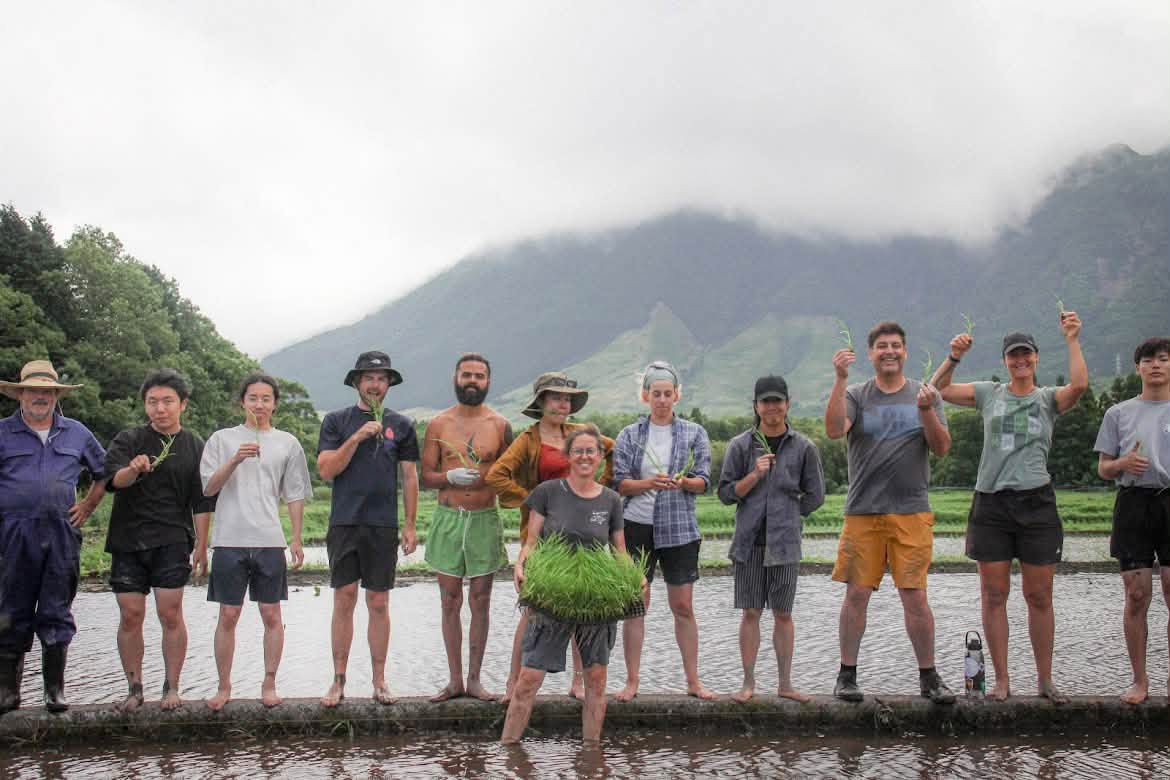
Sustainable farming here means working with the land, not against it. We grow organic vegetables and fruits year-round, practice permaculture, and use native materials like bamboo that grow on the land. What volunteers plant this season, they may never eat. That harvest feeds the next crew, just as this season’s crew enjoys what the group before them planted.
There’s a particular kind of generosity built into the work.
As one volunteer put it, “Farming here is an exercise in Buddhist compassion.”
The beautiful formal Japanese gardens are part of this same way of thinking. They follow a different design concept than a Western garden, with every stone, path, and planting carrying intention and meaning that reflects centuries of philosophy about how people move through and experience a space.
The buildings are part of this same philosophy: mud walls, bamboo, wood, paper screens, built centuries ago to breathe with the climate and stay cool through the humid summers without air conditioning. We’re learning from them as much as restoring them.
Nothing is wasted. Everything given to the earth comes back around. The same is often true of what volunteers give here, in skills, attention, or time.
What volunteers come away with
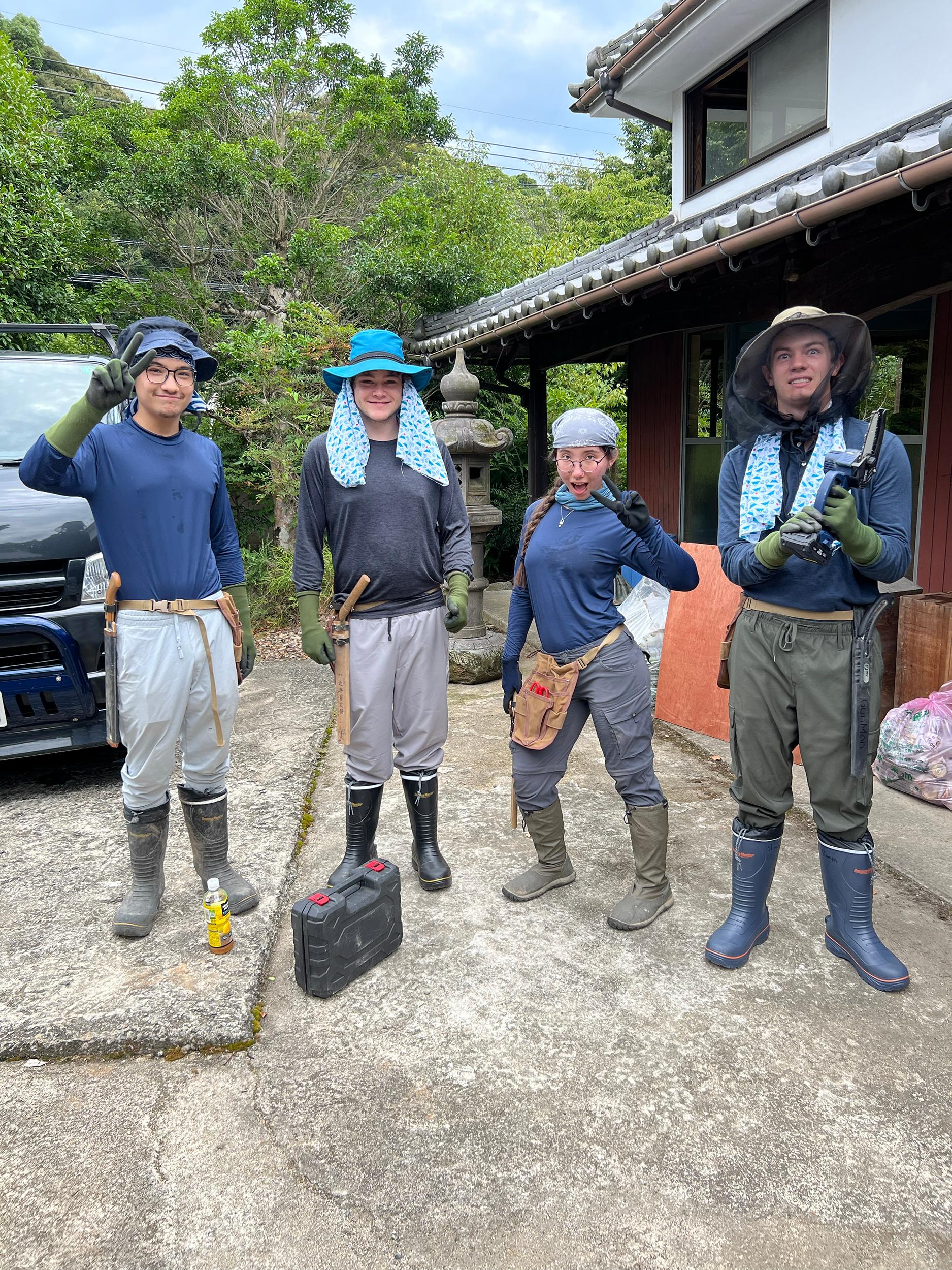
Time at the Bliss Project not only teaches, but also shifts perspectives more than people might have expected. Many new ideas and ways of thinking are absorbed through the work and the environment itself.
I enjoyed waking up to birdsong and Japanese gardens and meeting travelers from all walks of life. I loved slowing down, staring at bugs, seeing so much life on the farm. Doing the work reminded me how much care farmers put in to produce a simple grain of rice or a tomato we mindlessly purchase in a supermarket.
— Mandy, Malaysia
Sustainable gardening practices.
Permaculture methodology, working with what the land provides, and farming techniques suited to this particular place and climate.
Japanese garden design.
Why a Japanese garden is designed the way it is, what each choice means, and how that approach differs from anything in the Western tradition.
Traditional Japanese architecture.
Living inside buildings this old teaches something no textbook can. You start to notice how the construction works with the environment rather than against it.
Community across difference.
Sharing daily life with people of different ages, backgrounds, and countries has a way of shifting how you see your own habits and assumptions.
Presence.
When the usual distractions fall away, people tend to slow down, look up, and genuinely engage with what’s around them. It’s one of the simplest things that happens here, and has one of the most lasting effects.
Where days find their own rhythm
The people who come here arrive from very different places and circumstances. What they share is time: working side by side, eating meals together, figuring things out by listening to each other's ideas. The connections that form tend to be quiet and real, built from doing something meaningful together, hands on. It’s the kind of human connection that’s becoming harder to find.
You don’t have to be an expert in anything to belong here. You don’t need farming experience or building skills. What helps is a willingness to learn, to get your hands dirty, and to be present. The rest tends to take care of itself.
Most of what happens here comes down to paying attention — to the weather, the work, the human being across the table. That’s not a separate skill to learn. It’s just what tends to happen when there’s the space for it.
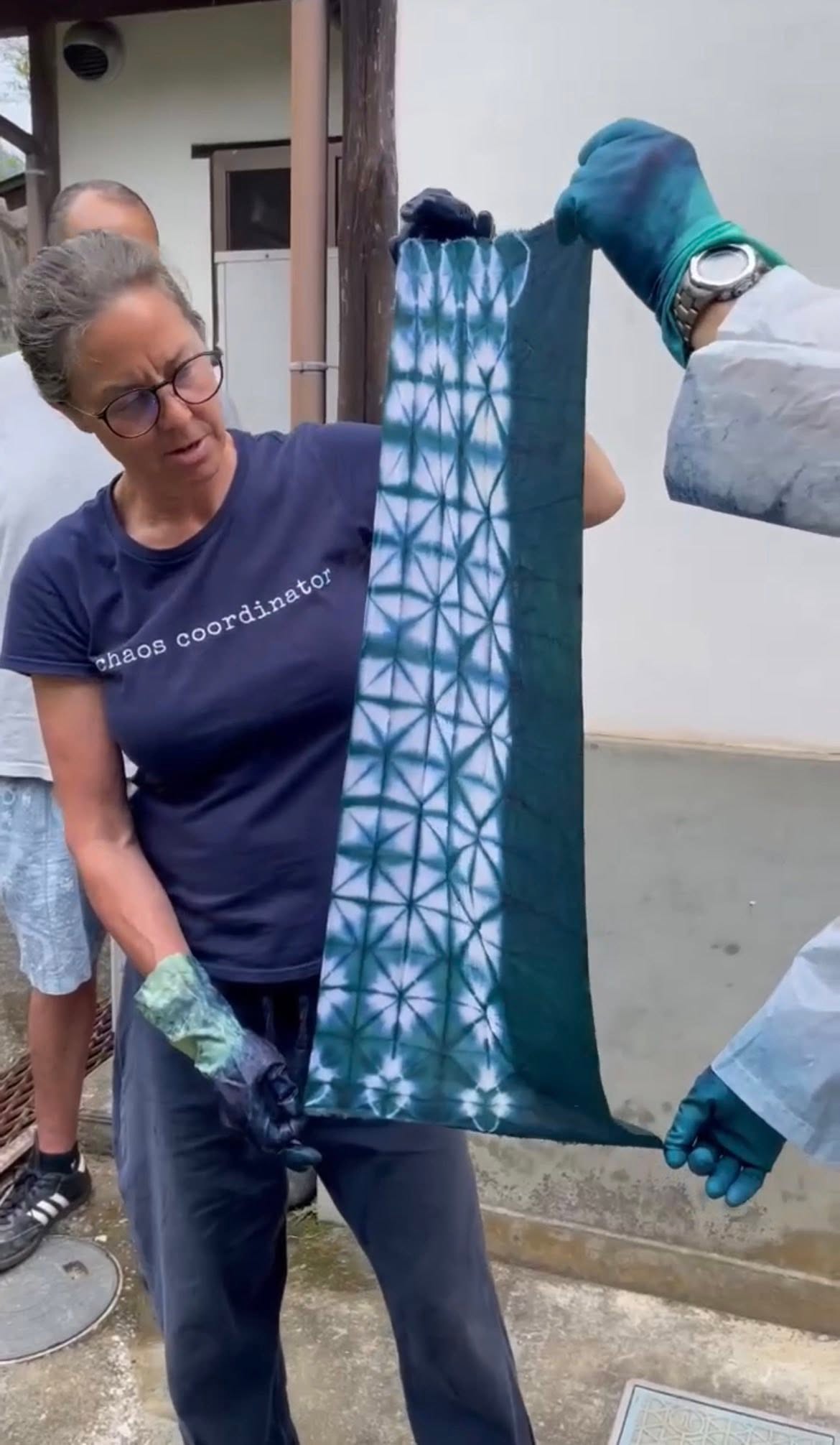
Ariana Bliss
A Coloradoan with a deep love of Japan
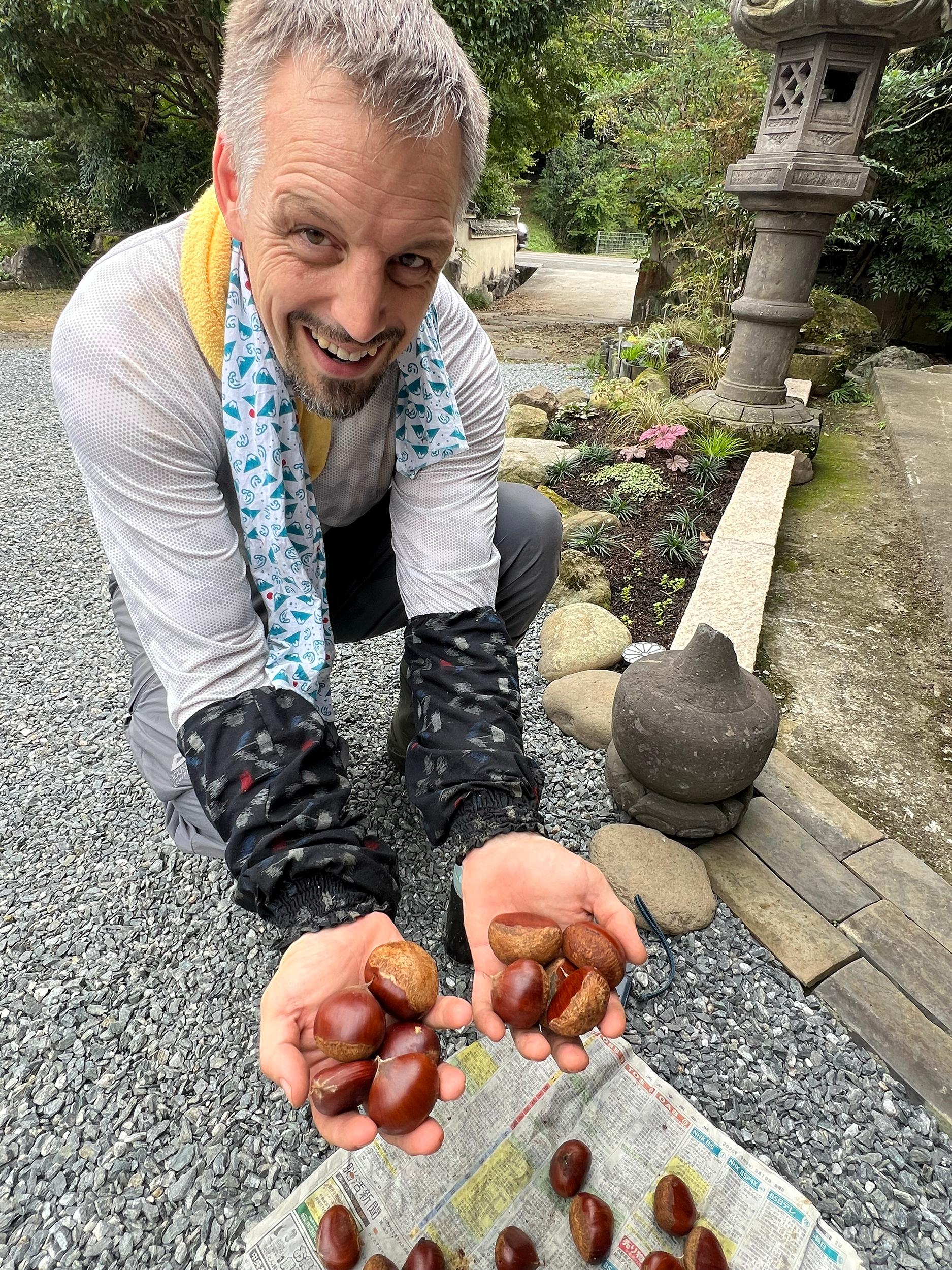
Ariana Bliss (yes, that’s her real name) is a Coloradoan who’s made rural Japan her home for nearly 30 years. Before her life here, she was a teacher with years of experience doing organic farming; these passions later bloomed into the Bliss Project.
While not Japanese by birth, Ariana moves through the world in a way that’s deeply in tune with Japanese sensibilities. She’s a firm believer that the most meaningful work requires concentration and attention to detail, and that profound lessons can be found in the simplest of tasks.
“Being in the moment here in nature is bliss in itself,” she muses, “without wanting more or less, or anything really, just being here, focusing on the situation or the work at hand.”
Ariana is a force of nature. If she’s not busy tending to the farm, you might find her practicing martial arts, tackling a building project, doing art, or enthusiastically explaining the intricacies of the wide variety of native plants on the property. No matter what, teaching remains at the very heart of who she is.
The turning point that led to the Bliss Project
It was the loss of a loved one that marked a major turning point for Ariana. In the midst of her grief she realized something on a deeper level that she had always been told: “Those dreams you keep putting off? They won’t wait forever. If it matters, you do it. You begin. You move toward it. The moment is now.”
When she stumbled upon the centuries-old farm, with its weathered Meiji Era buildings, overgrown Japanese gardens, and wild forests, she instinctively knew that this was a dream begging for action. “This place wanted to come back to life. I felt drawn to it,” she recalls. “It had a special energy that made me feel it was meant to be.”
Ikigai: reason for being
The Japanese concept of ikigai, which loosely translates to “reason for being,” is said to lie at the crossroads of what you love, what you’re good at, what the world needs, and what you can make a living doing.
For Ariana, her ikigai is firmly planted in the soil of the Bliss Project. “I found mine here,” she shares, “in the community that could be created and in the endless possibilities for growth.”
At its core, Ariana’s ikigai is all about being present. “That’s where you find your bliss. That’s part of not being online and instead, involved with the community and participating in actual real-time communication and meaningful hands-on activities with other people. There’s so much we can learn from that.”
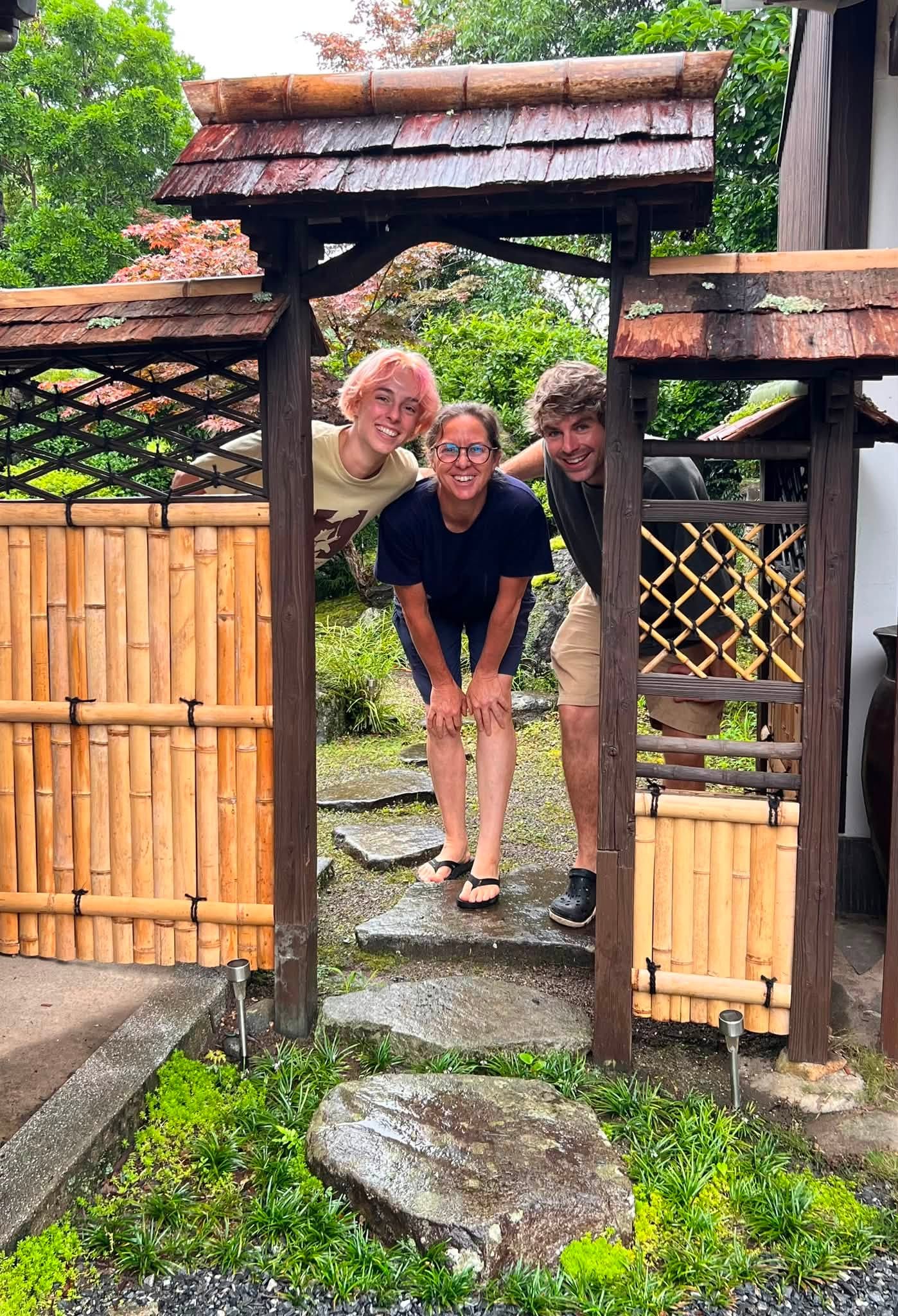
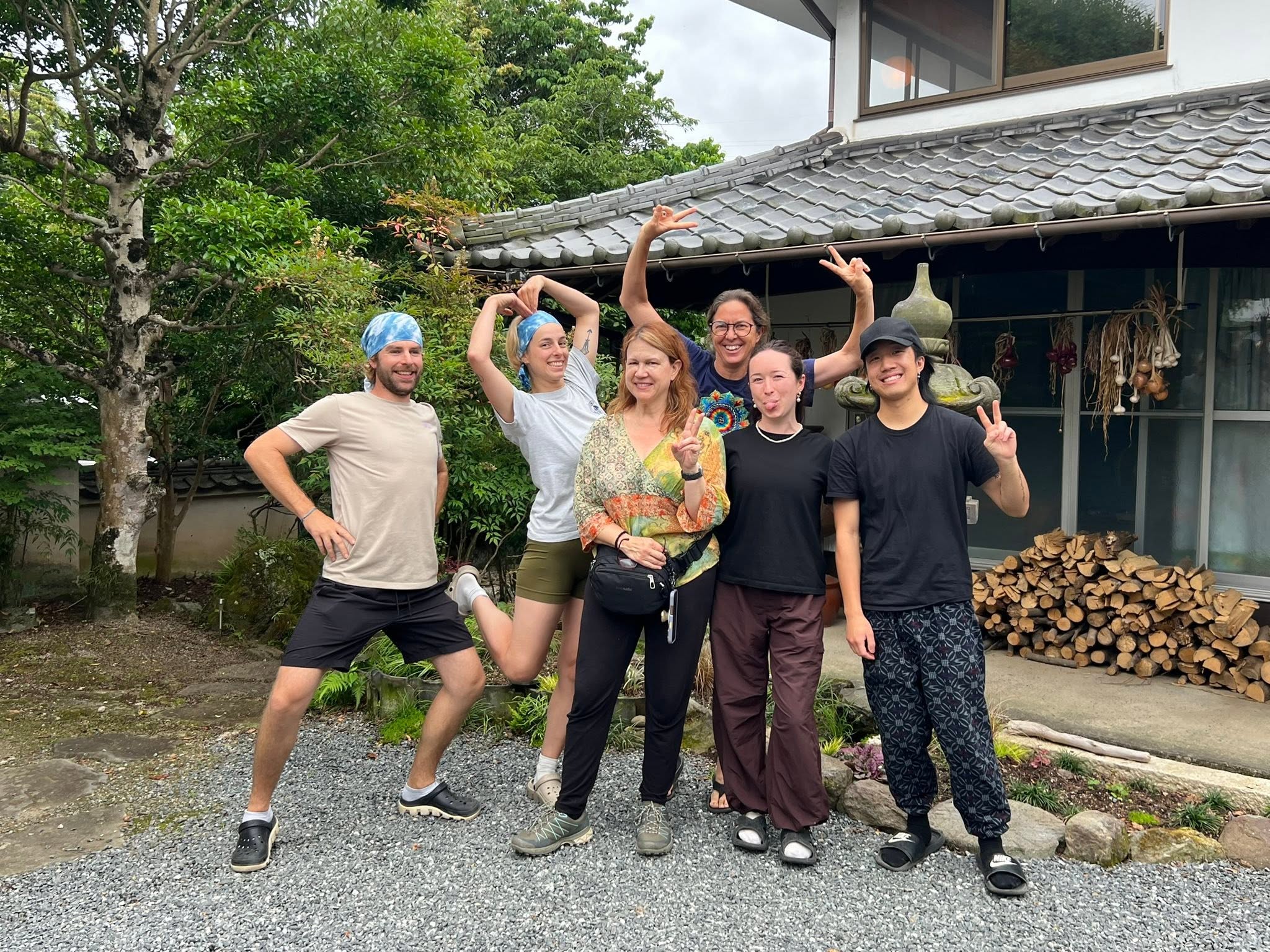
The learning path
You don’t need to be an expert to find your place at the Bliss Project. As Ariana puts it, “I am a teacher and I want to help people learn, and this project provides excellent opportunities for that in a wide variety of areas.”
At the Bliss Project, learning is all about getting your hands dirty. Volunteers are encouraged to jump right in, make mistakes, and keep on trying. All you really need is a willingness to learn.
“You can find your bliss while weeding,” Ariana says with a smile. “It’s very meditative.”
Under Ariana’s warm guidance, volunteers who show up hardly knowing a weed from a wildflower leave with a whole new set of skills, a few calluses, and a deep appreciation for the satisfaction that comes from seeing the results of their work.
More than a name
Bliss is much more than just Ariana’s last name. It’s the embodiment of her philosophy—her open invitation to the world. The way Ariana sees it, bliss isn’t some end goal or destination. It’s a way of being present, especially in the moments that most people might overlook.