
Seasons
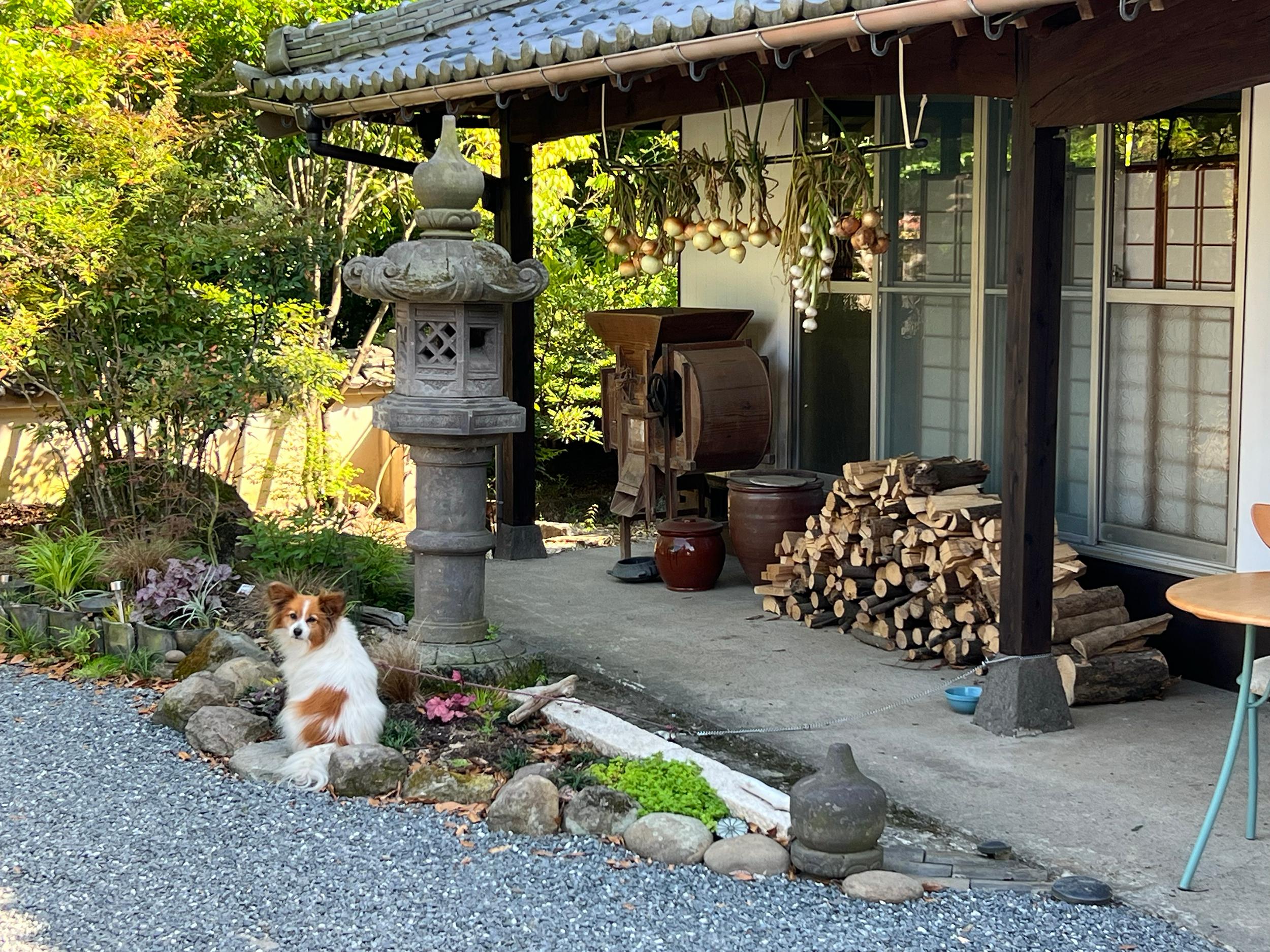
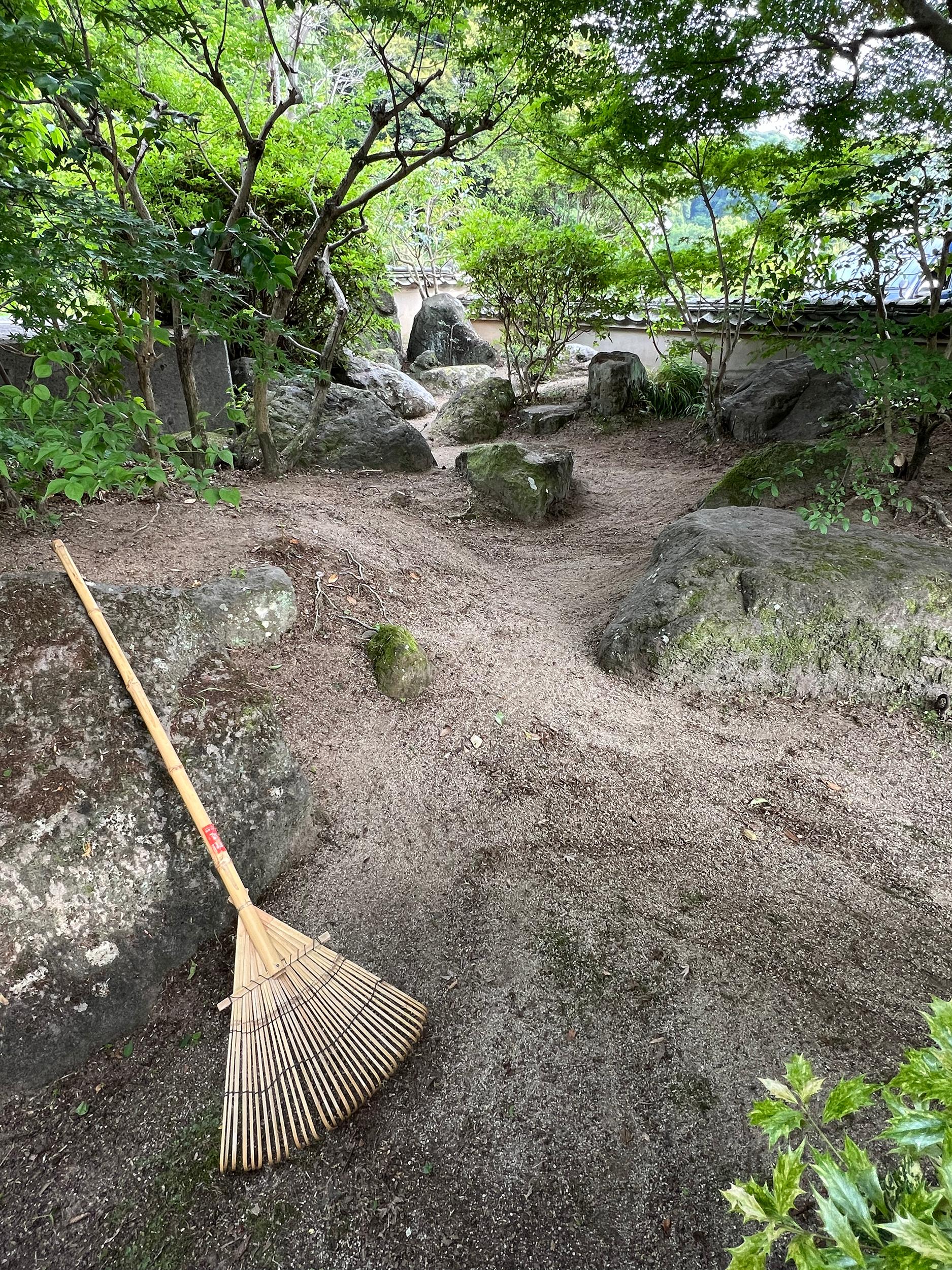
Japan traditionally divides the year into seventy-two micro-seasons, each lasting just a few days, a system that’s shaped centuries of poetry and art. Most people only notice four—or five if you count the rainy season. The year on the farm balances on two rhythms: spring and fall for planting, summer and winter for harvest. When you’re working with the land, you don’t have to think about what time of year it is. You notice the small changes as you go around doing your daily chores.
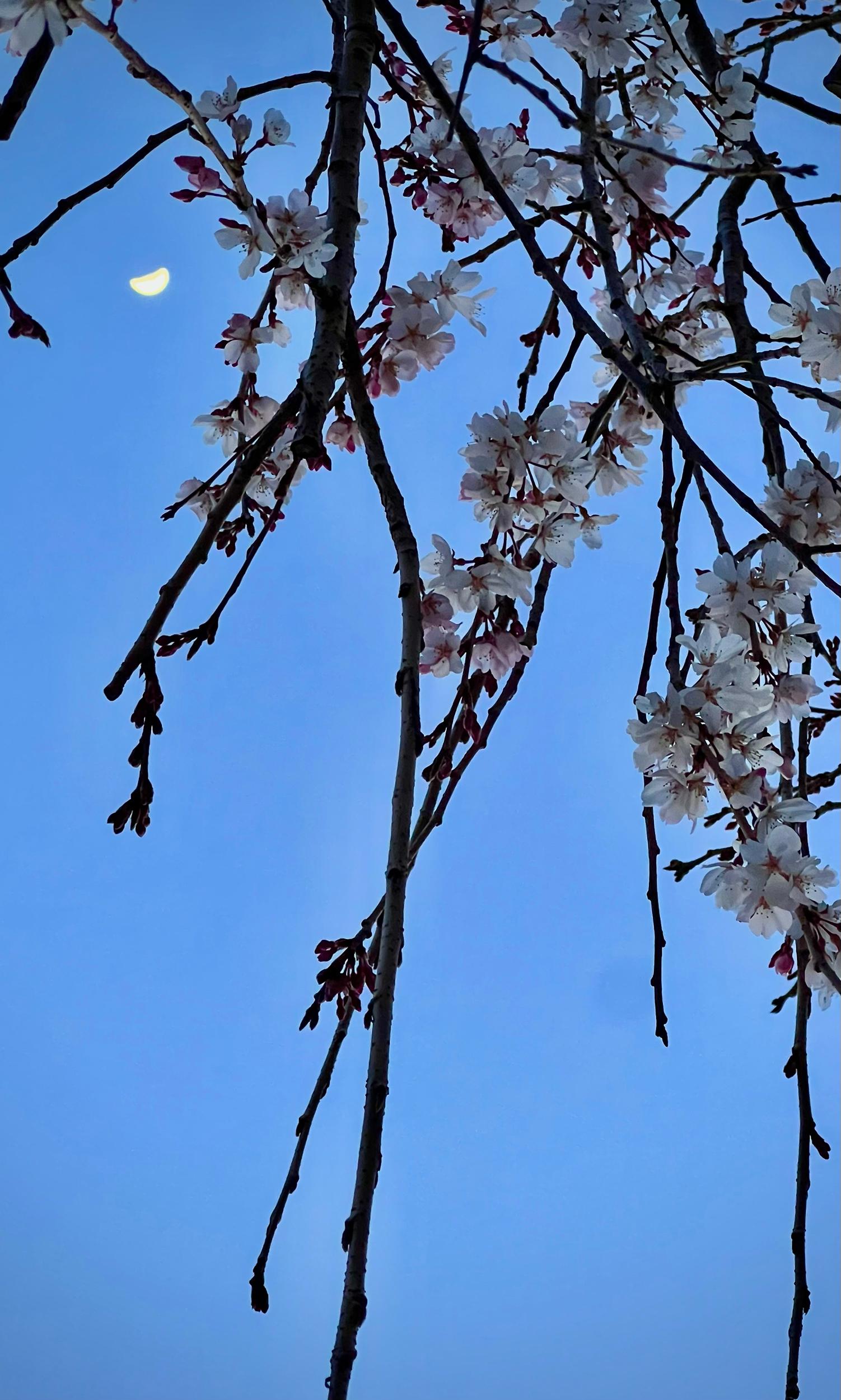
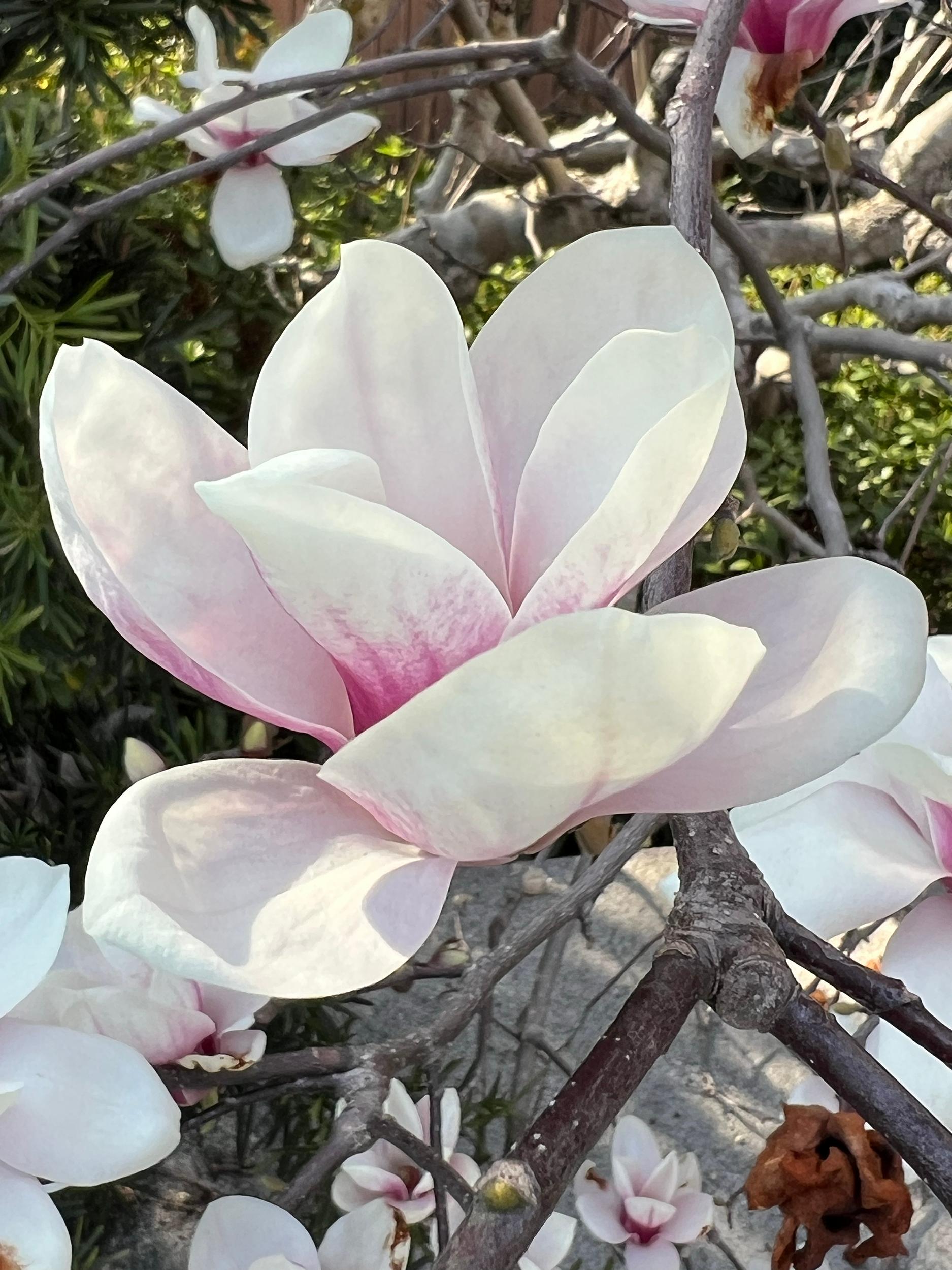
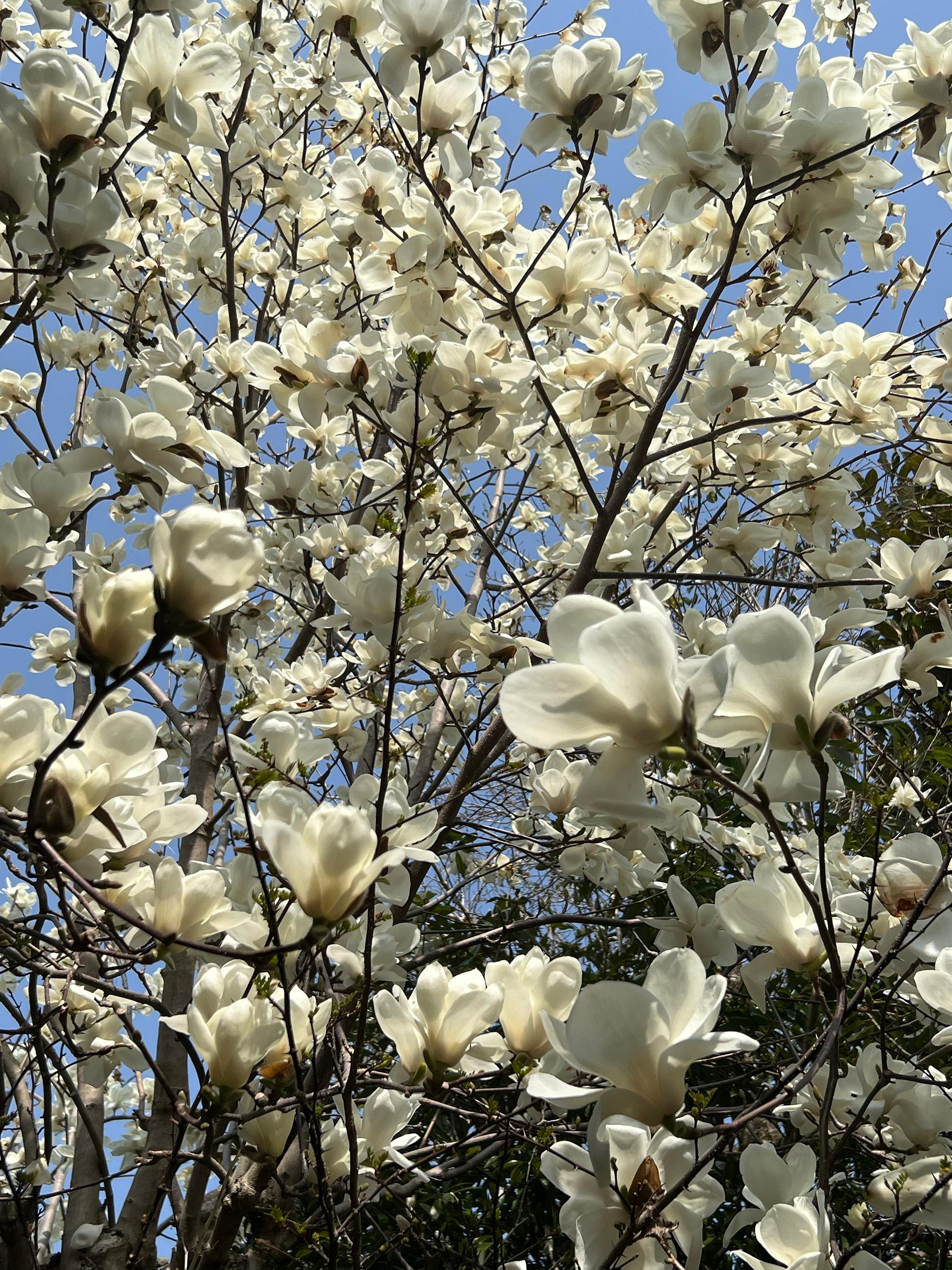

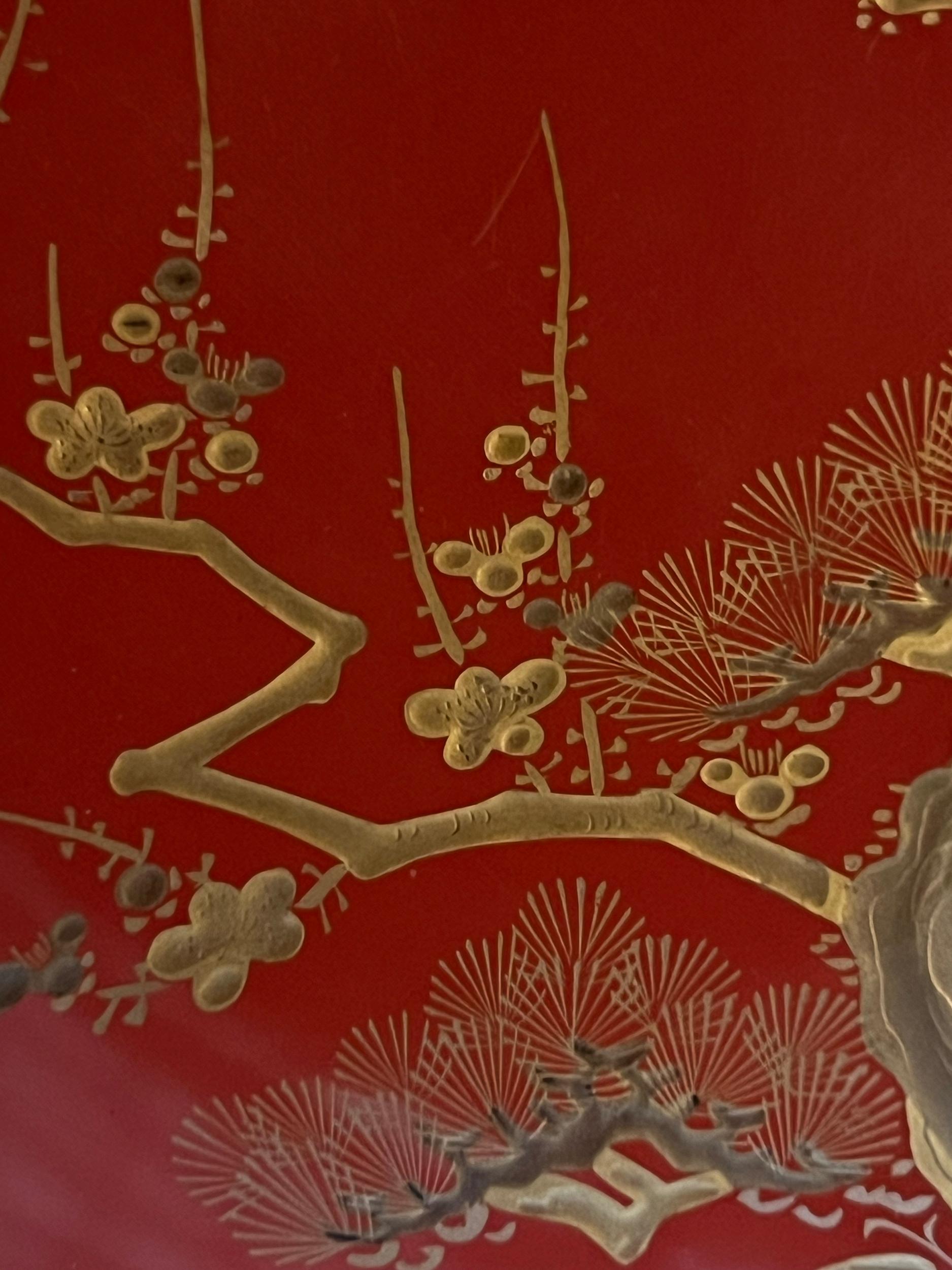
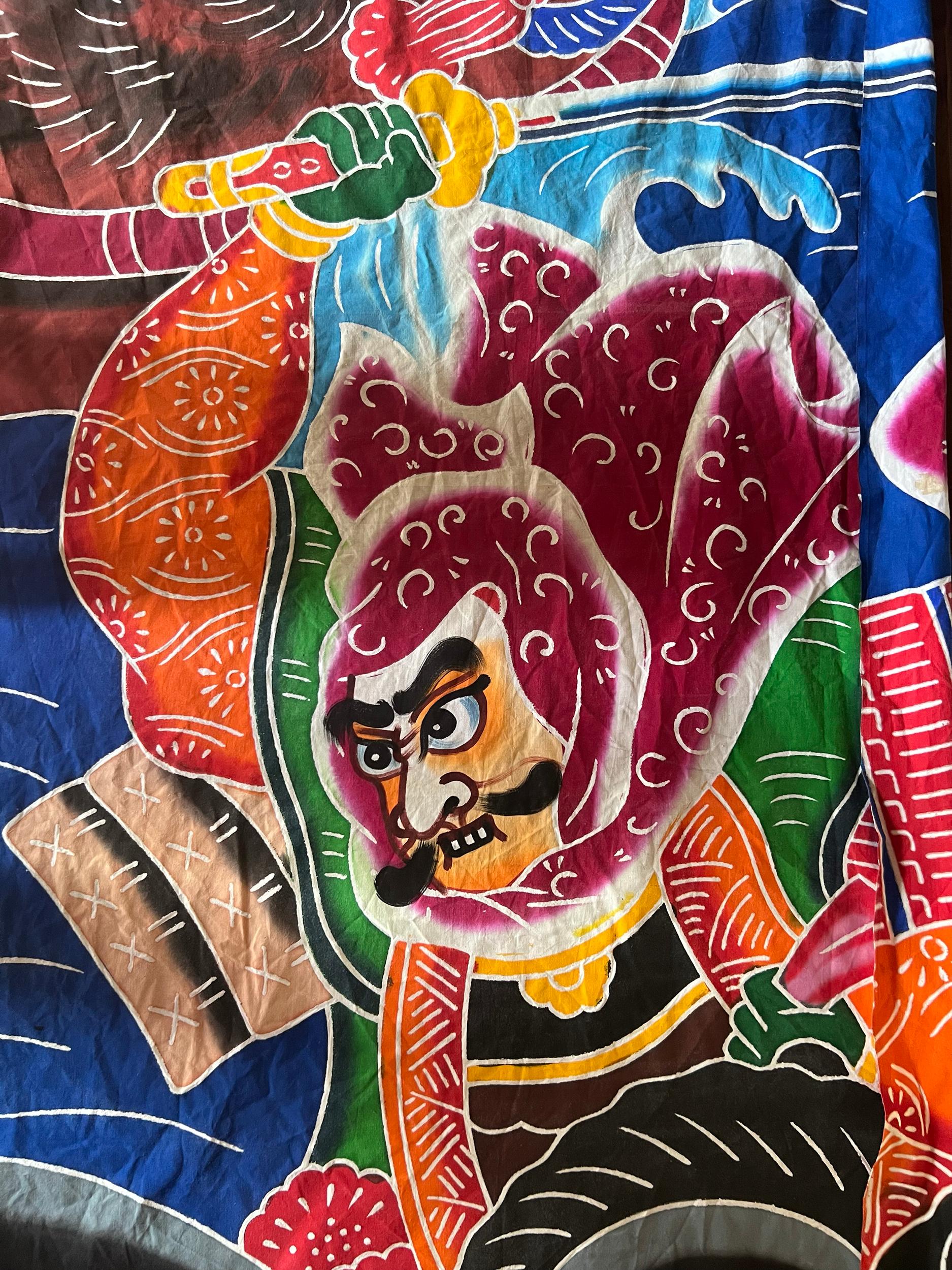
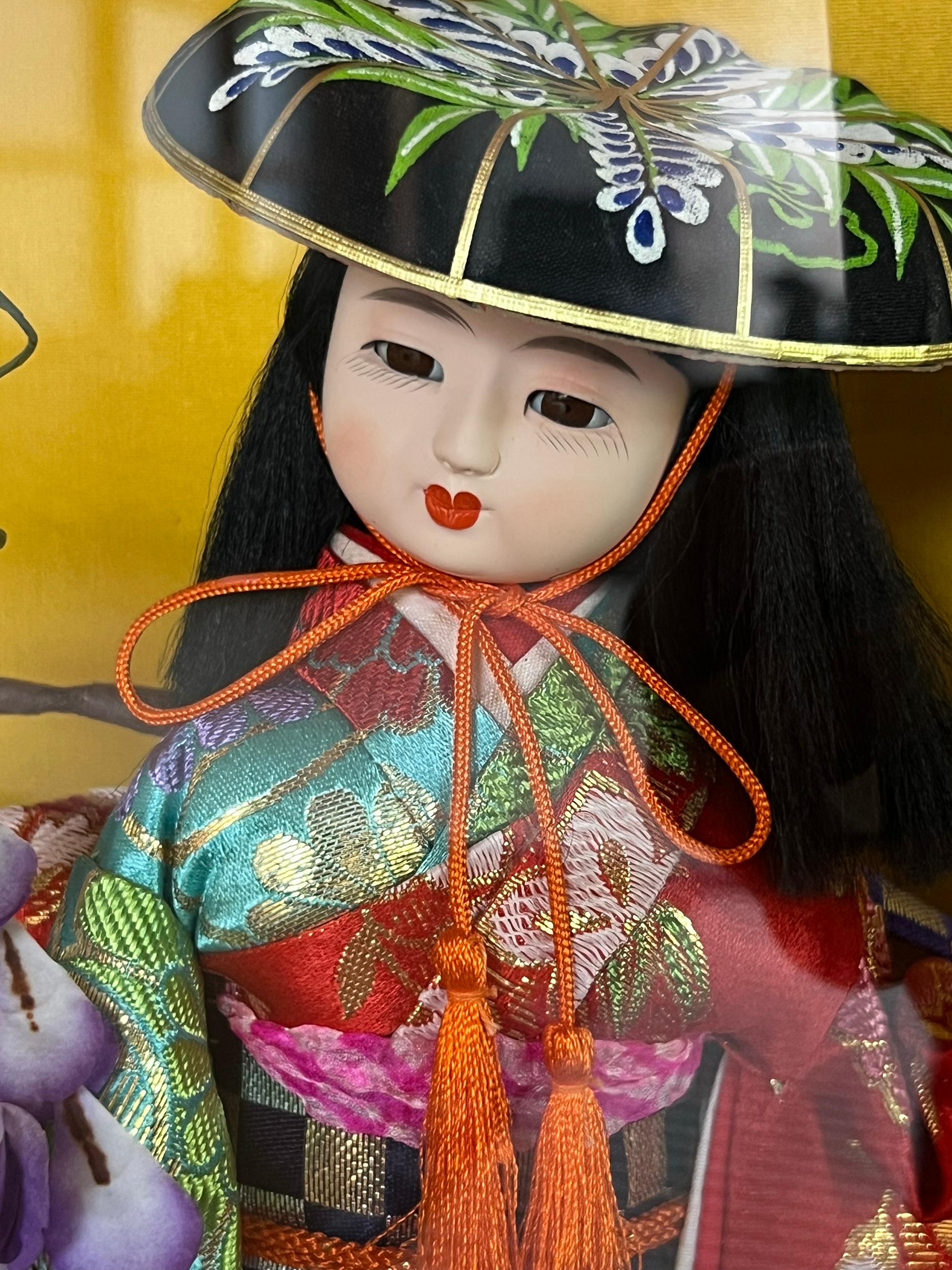
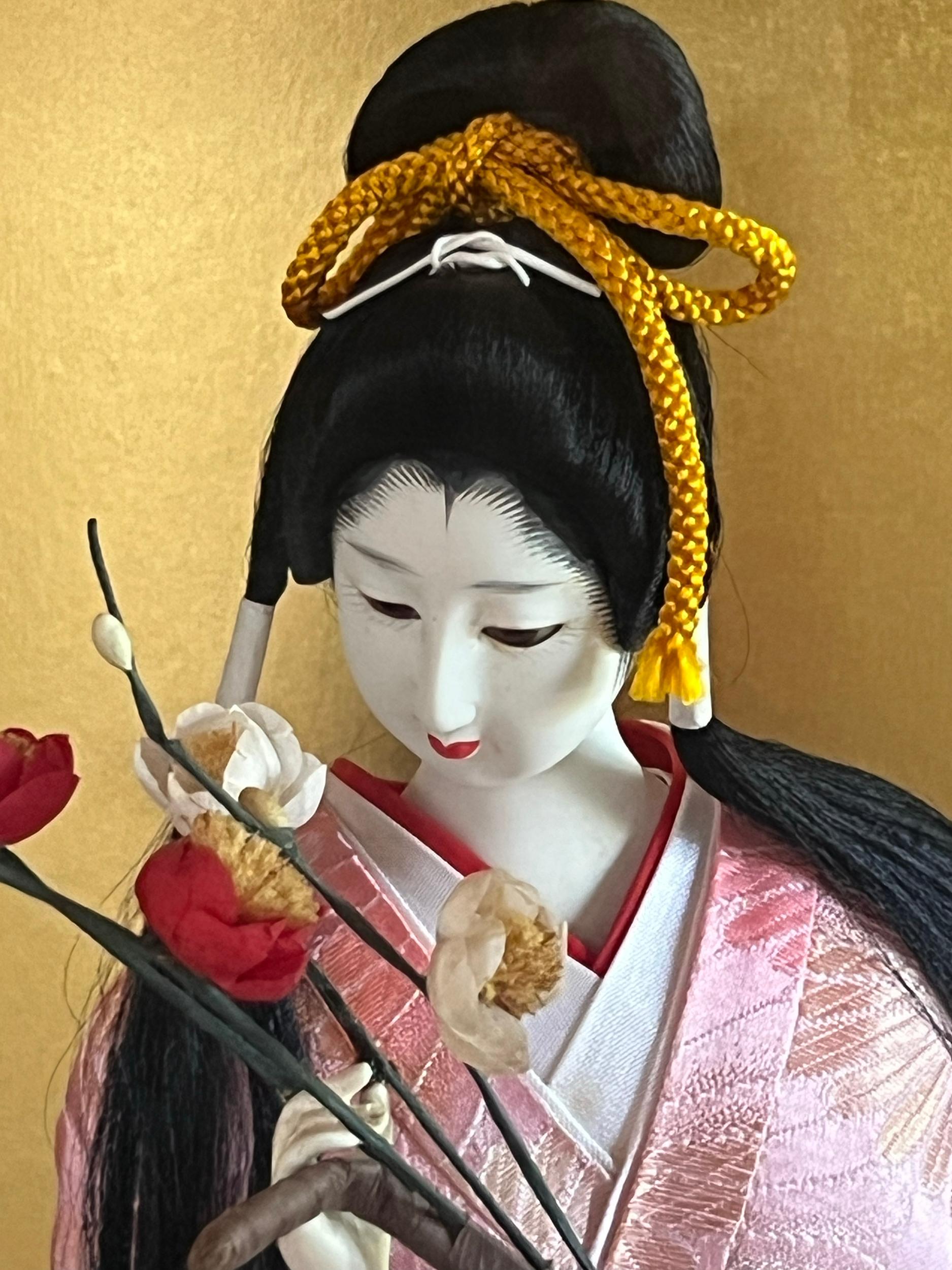
Under the cherry blossoms
strangers are not
really strangers
hana no kage
aka no tanin wa
nakari keri
Kobayashi Issa (1763-1828)
Spring 春
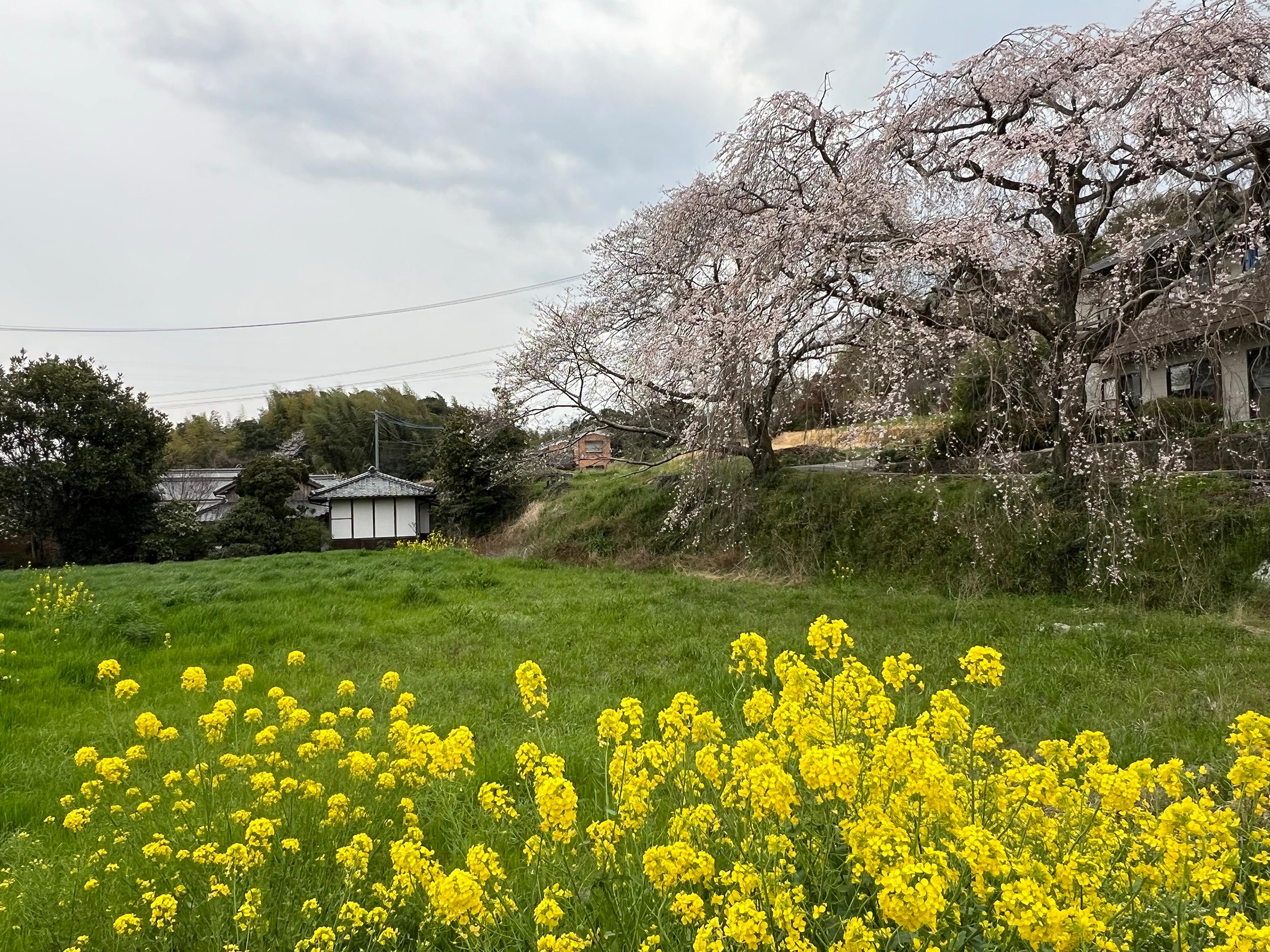
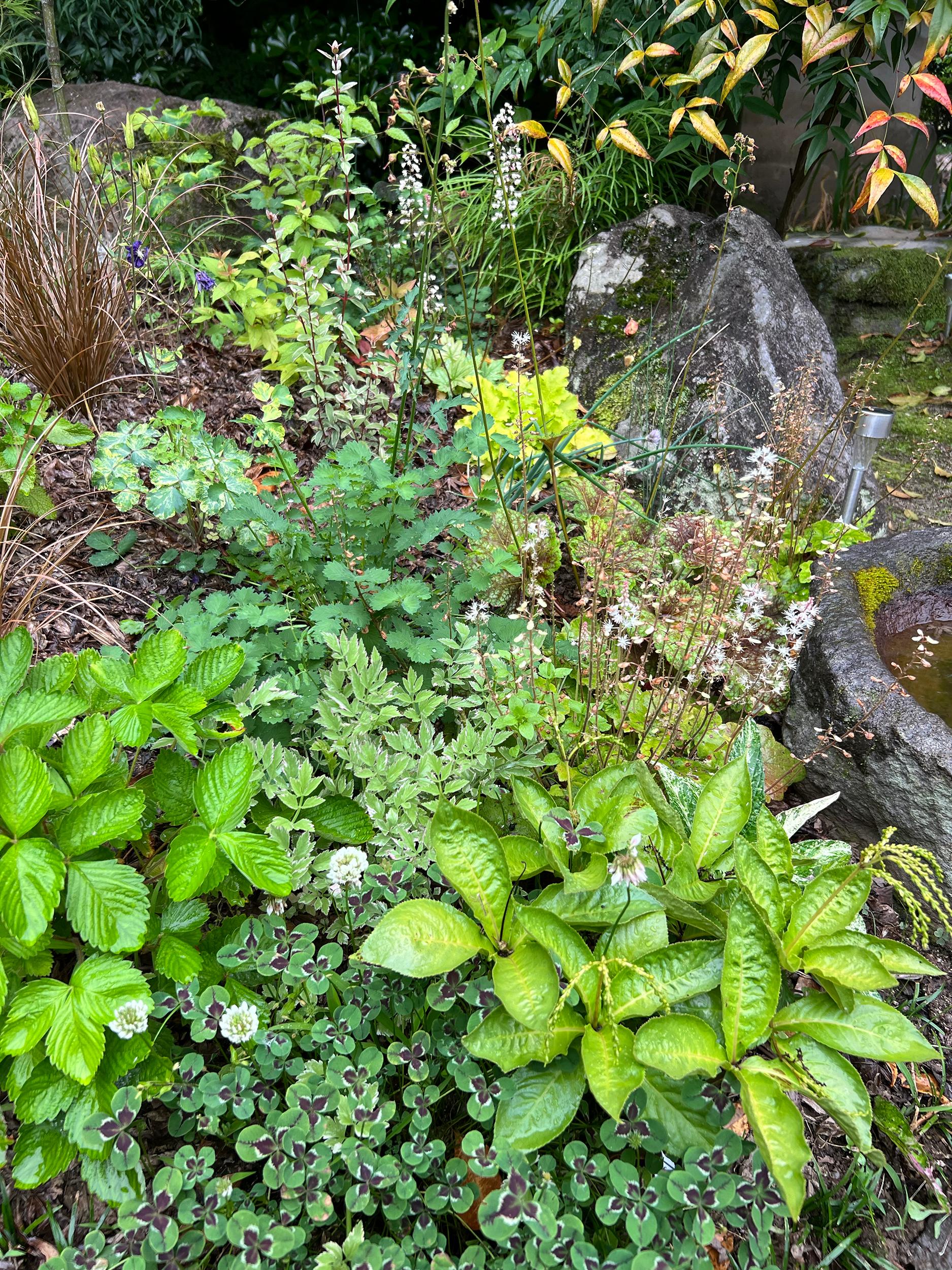
In spring the soil warms, seeds are planted, green sprouts appear like magic, and the vegetable gardens begin to fill up quickly.
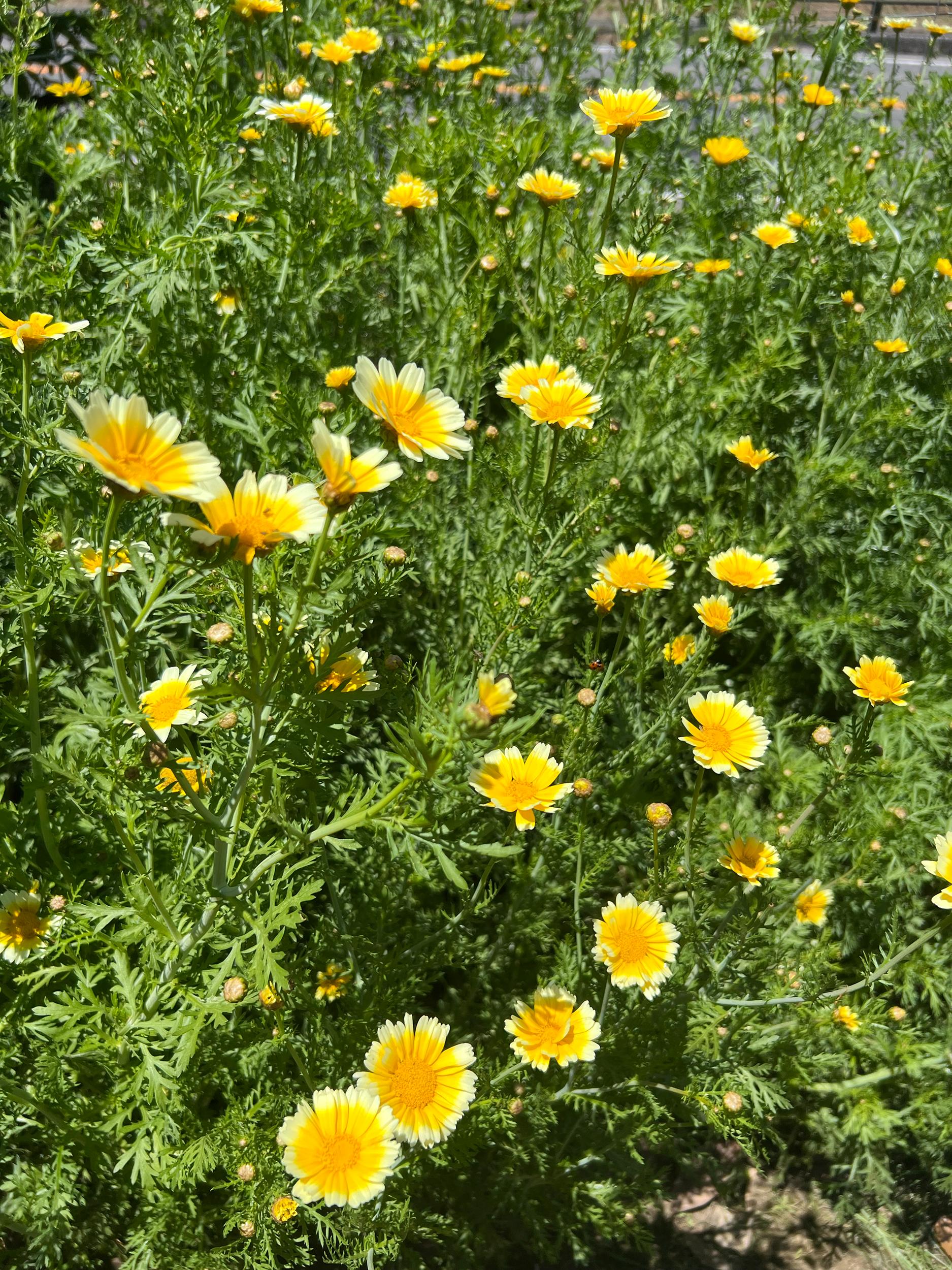
Winter crops like onions and garlic, as well as herbs such as dill and cilantro, are harvested.
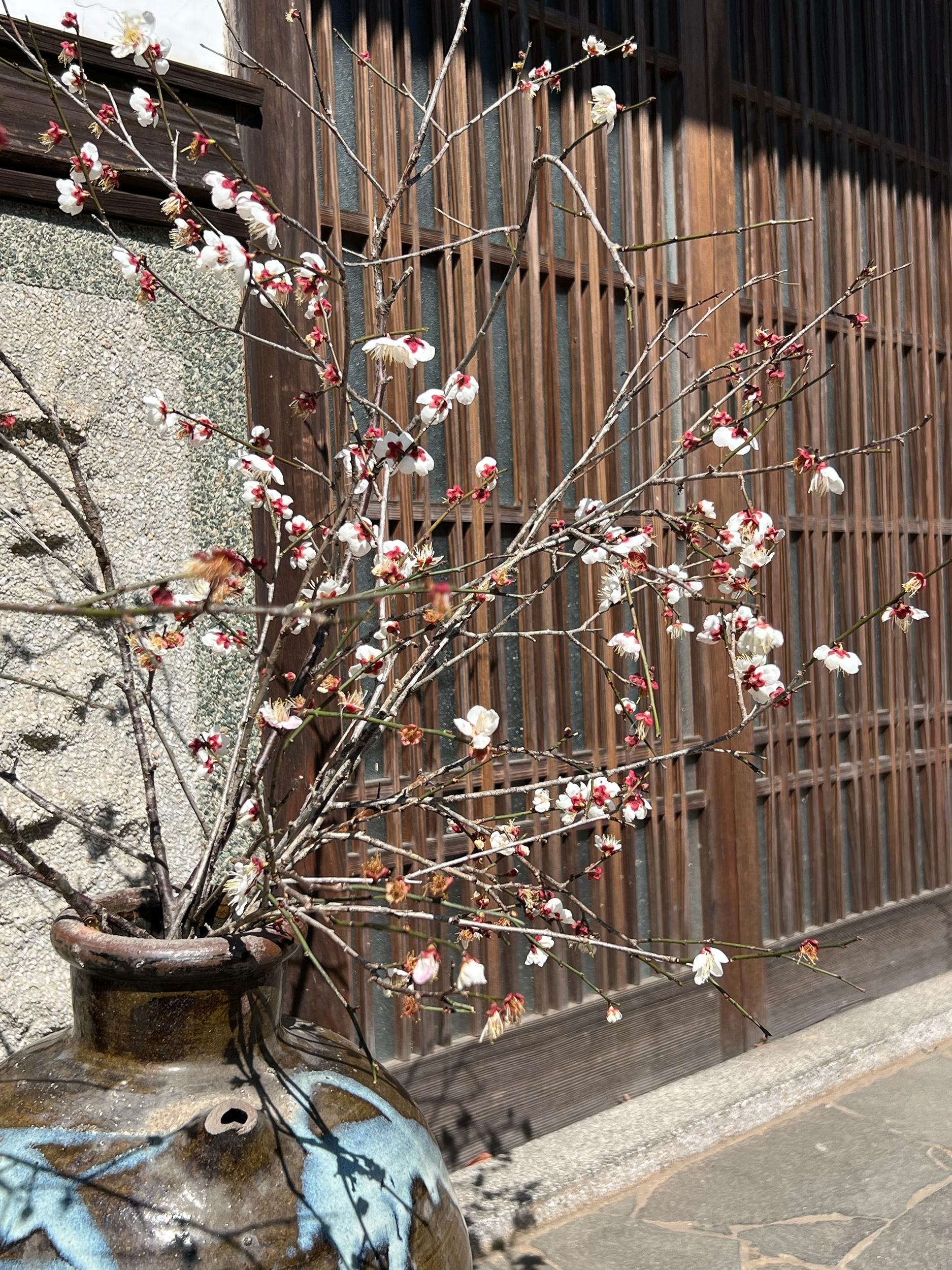
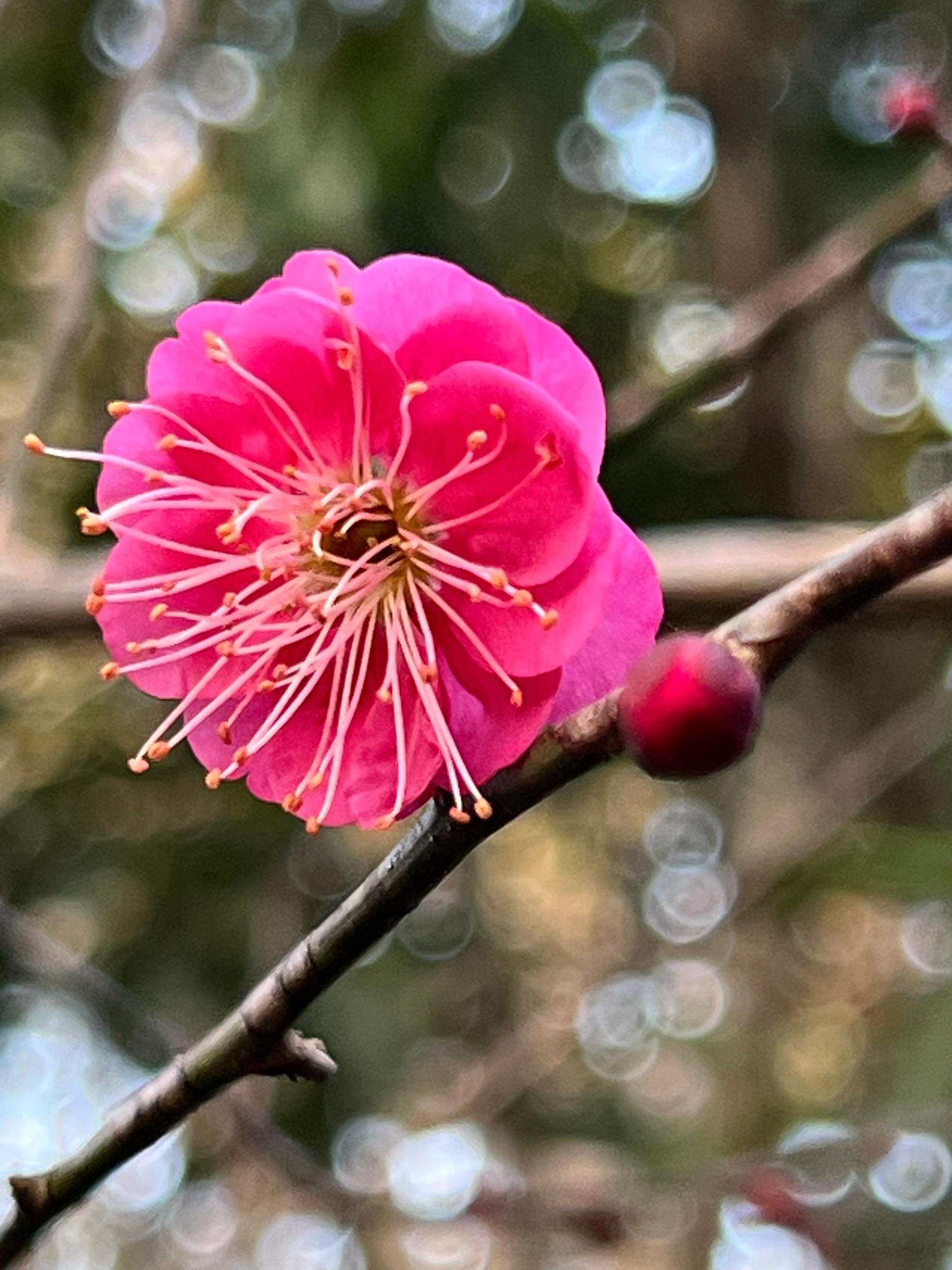
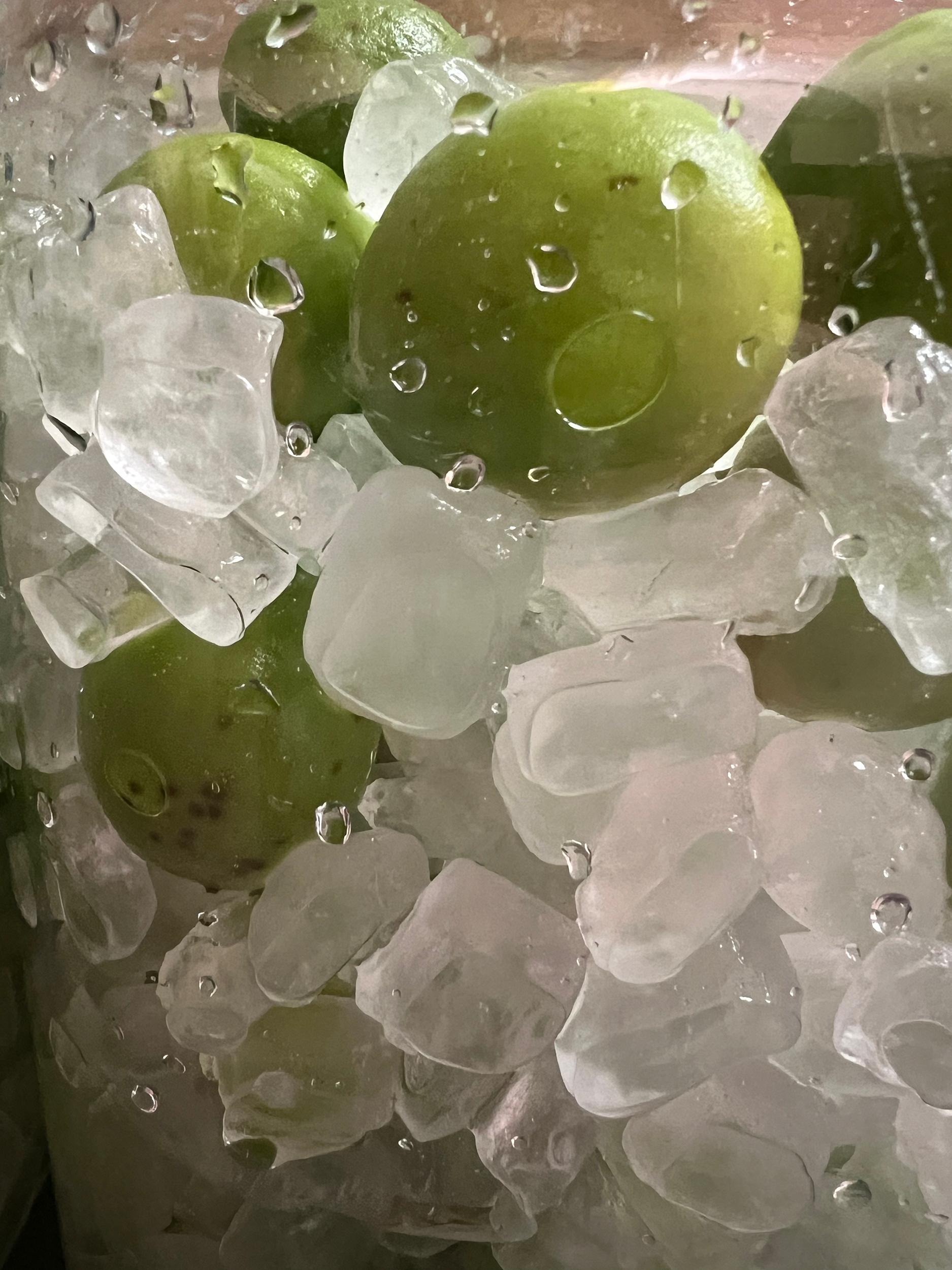
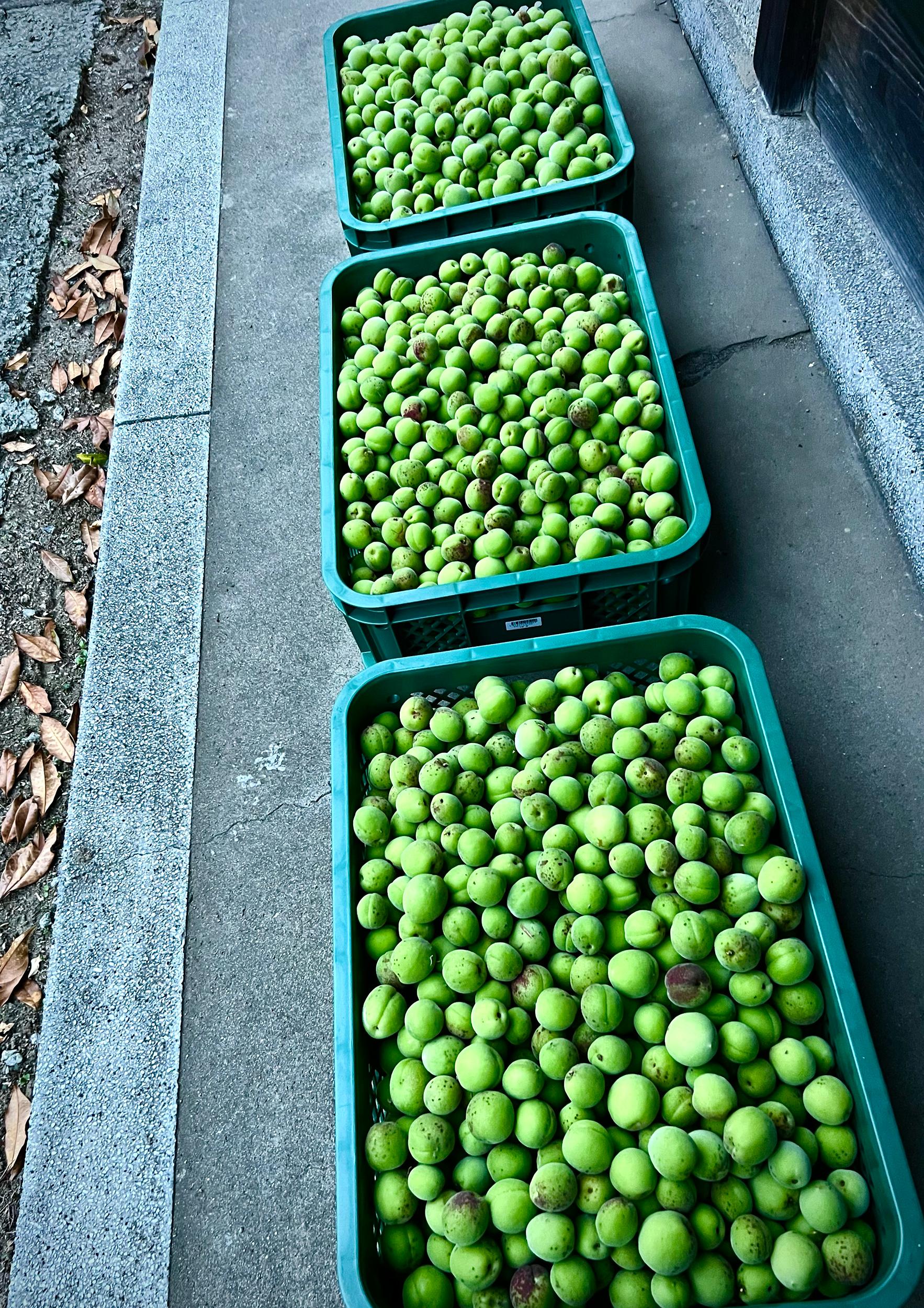
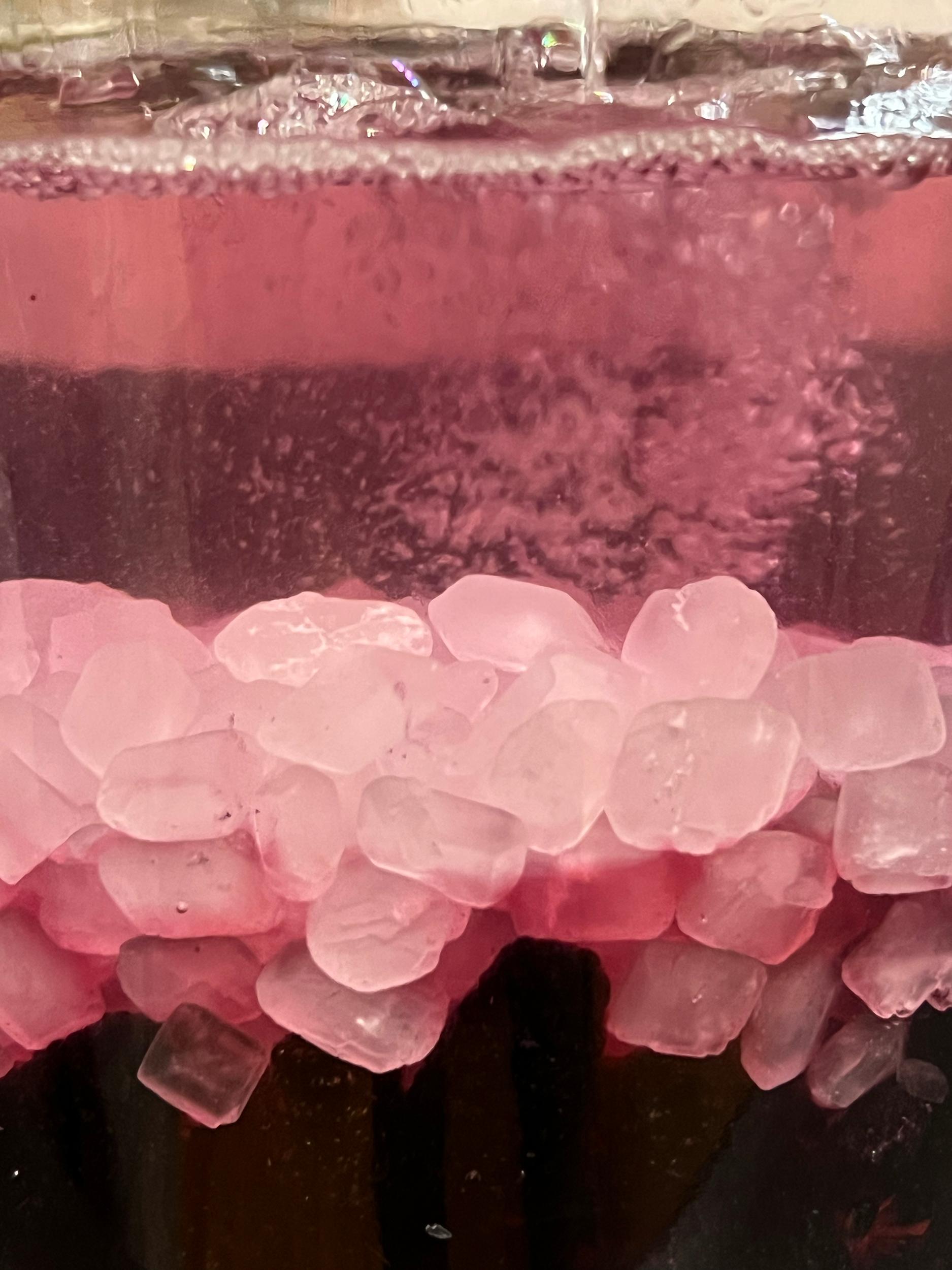
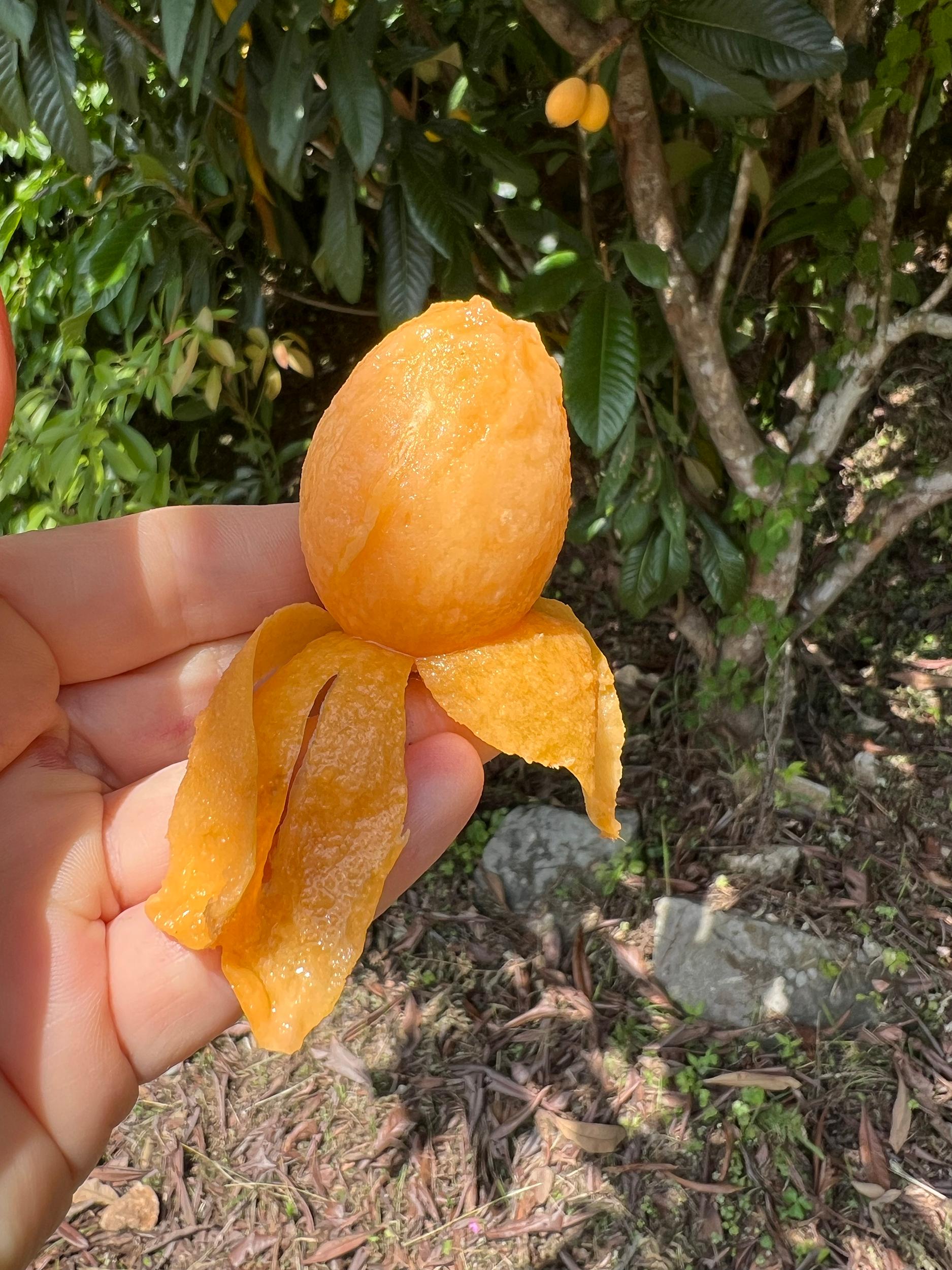
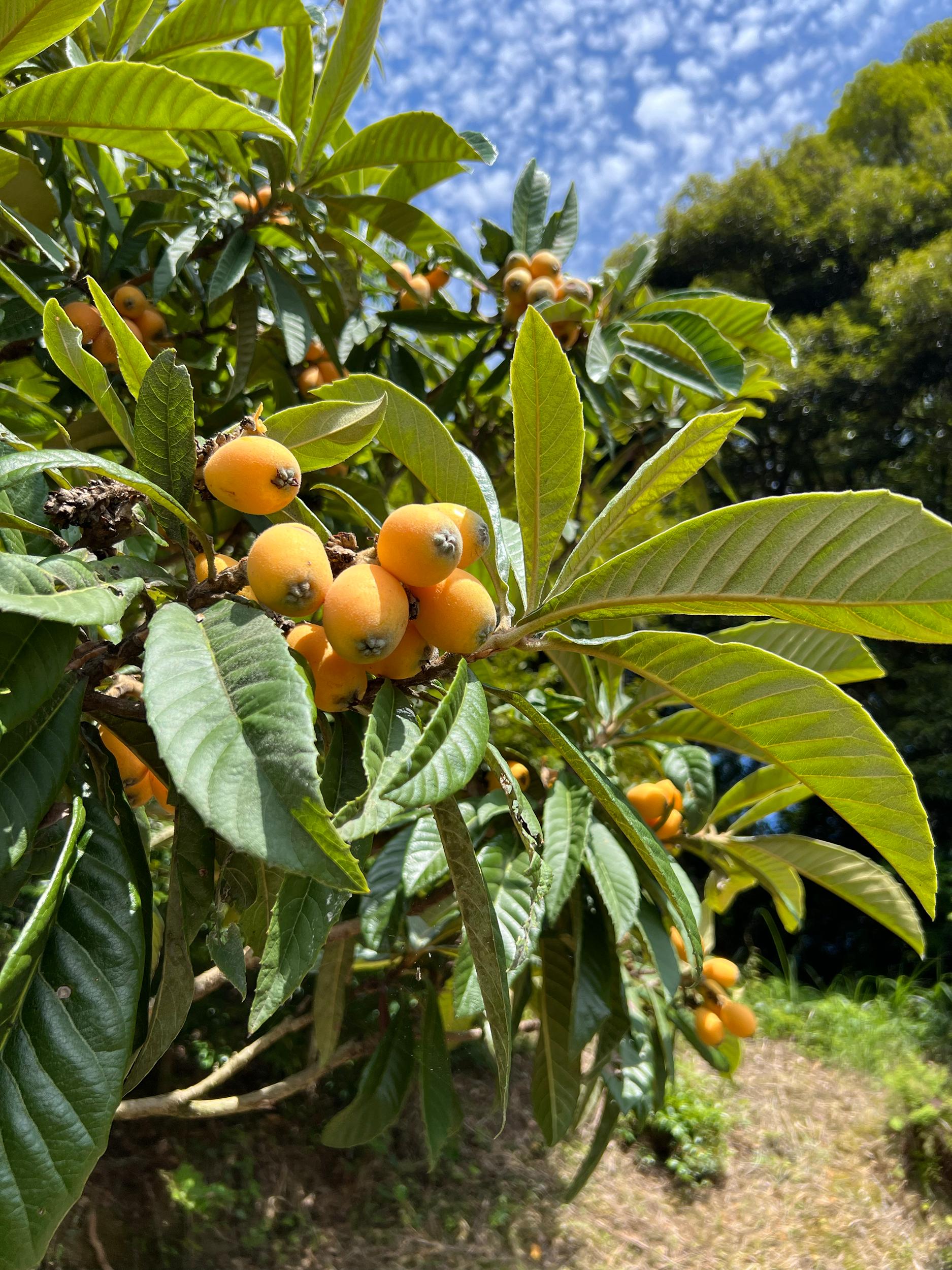
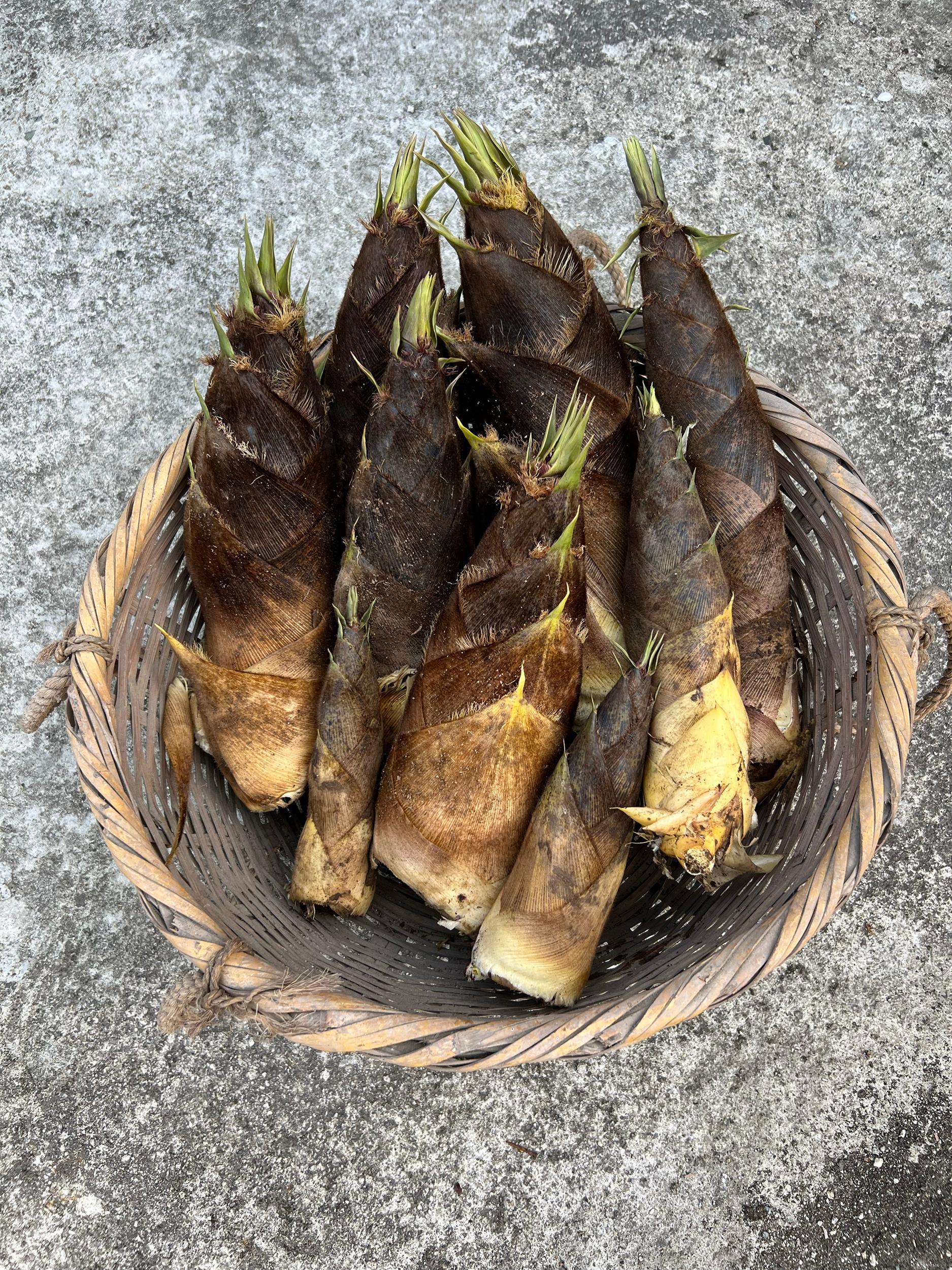
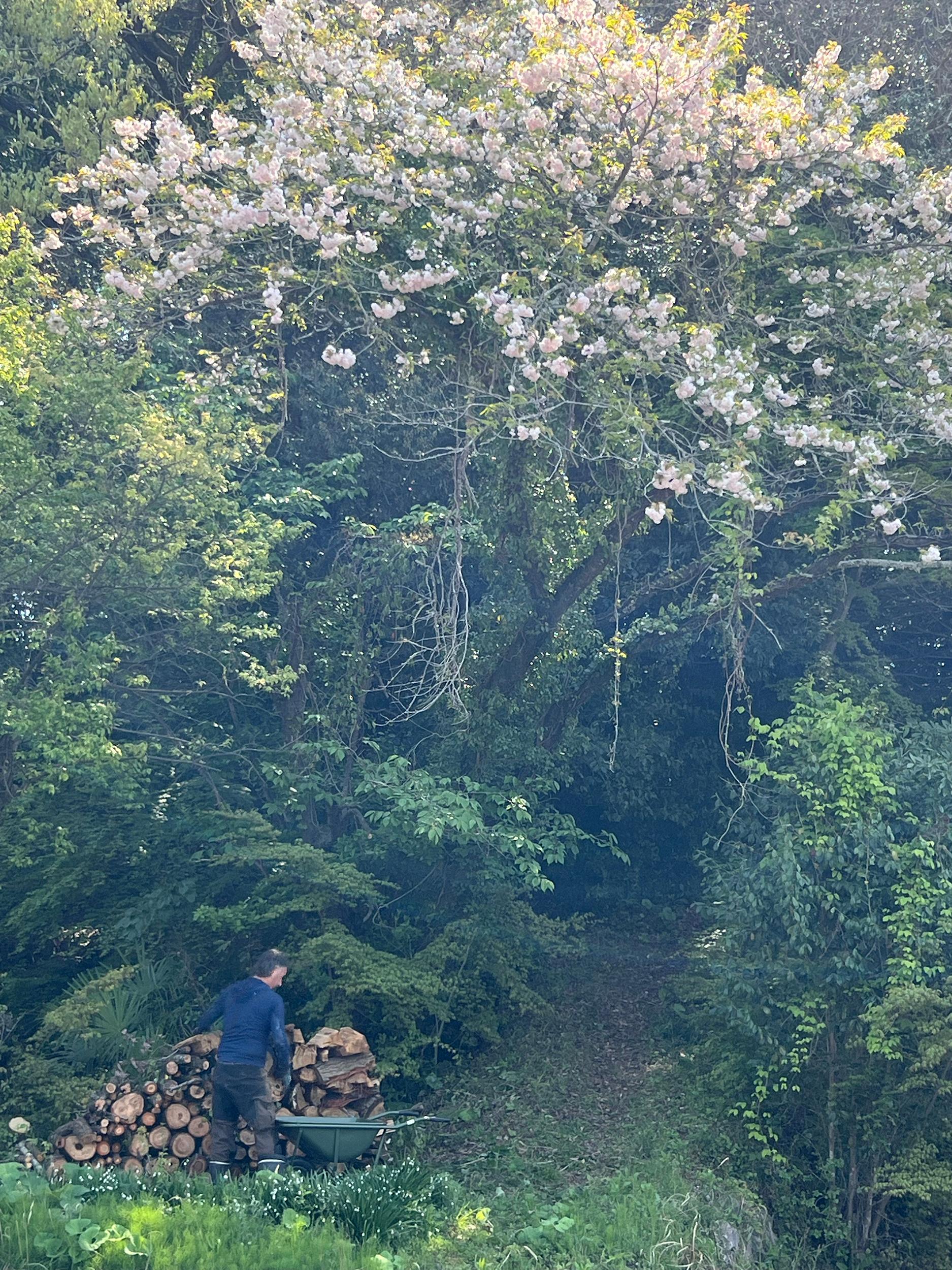
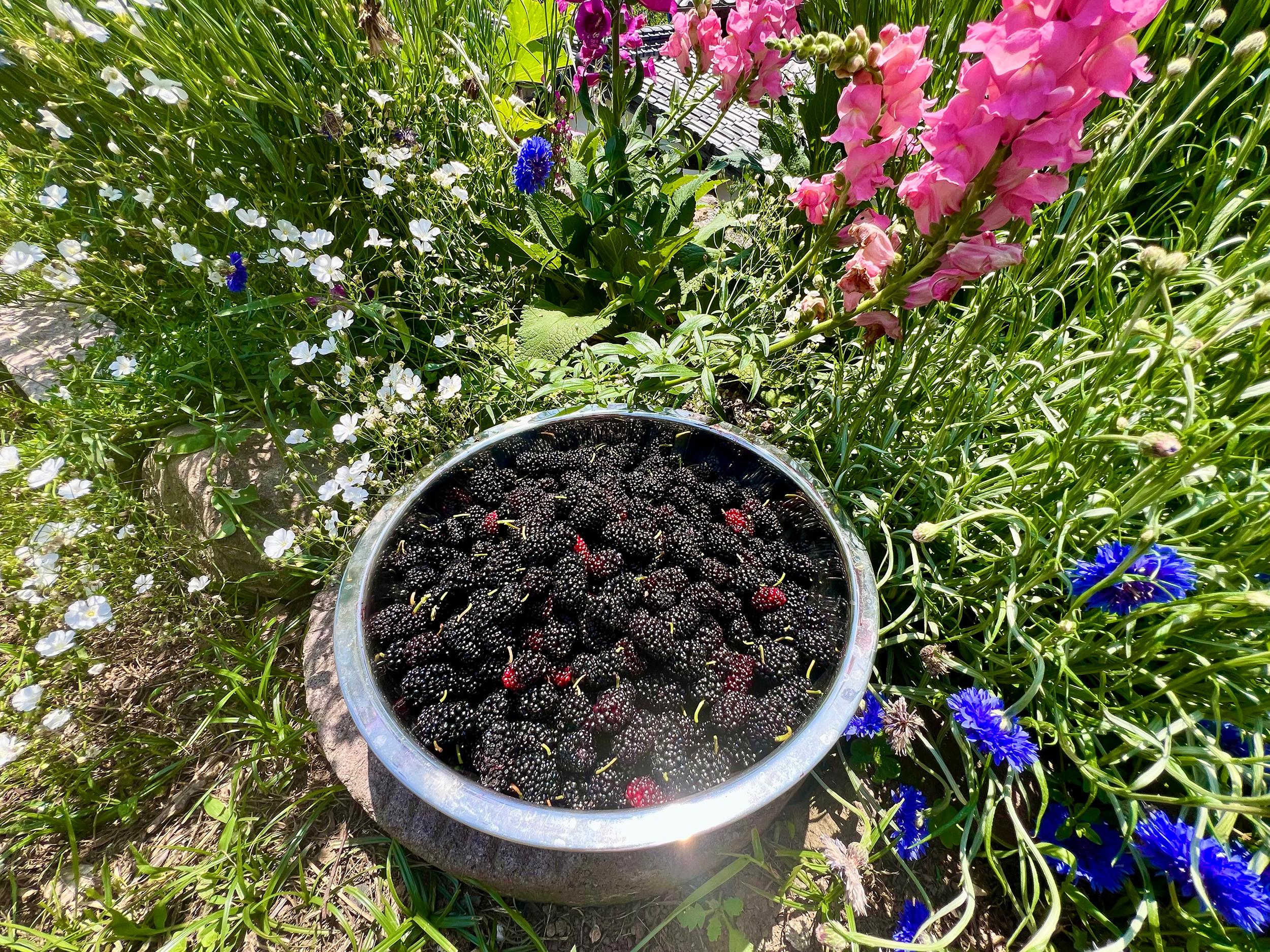
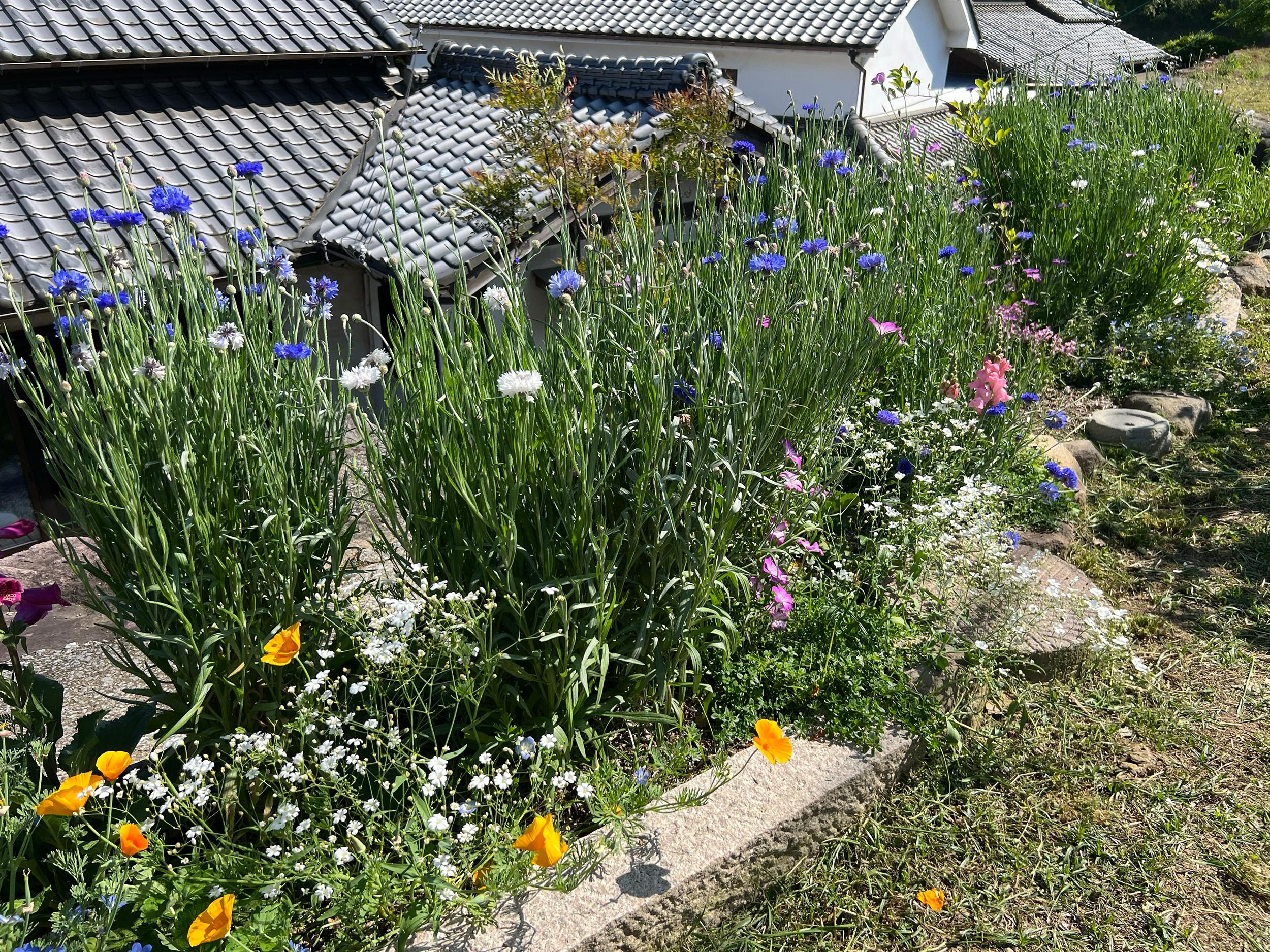
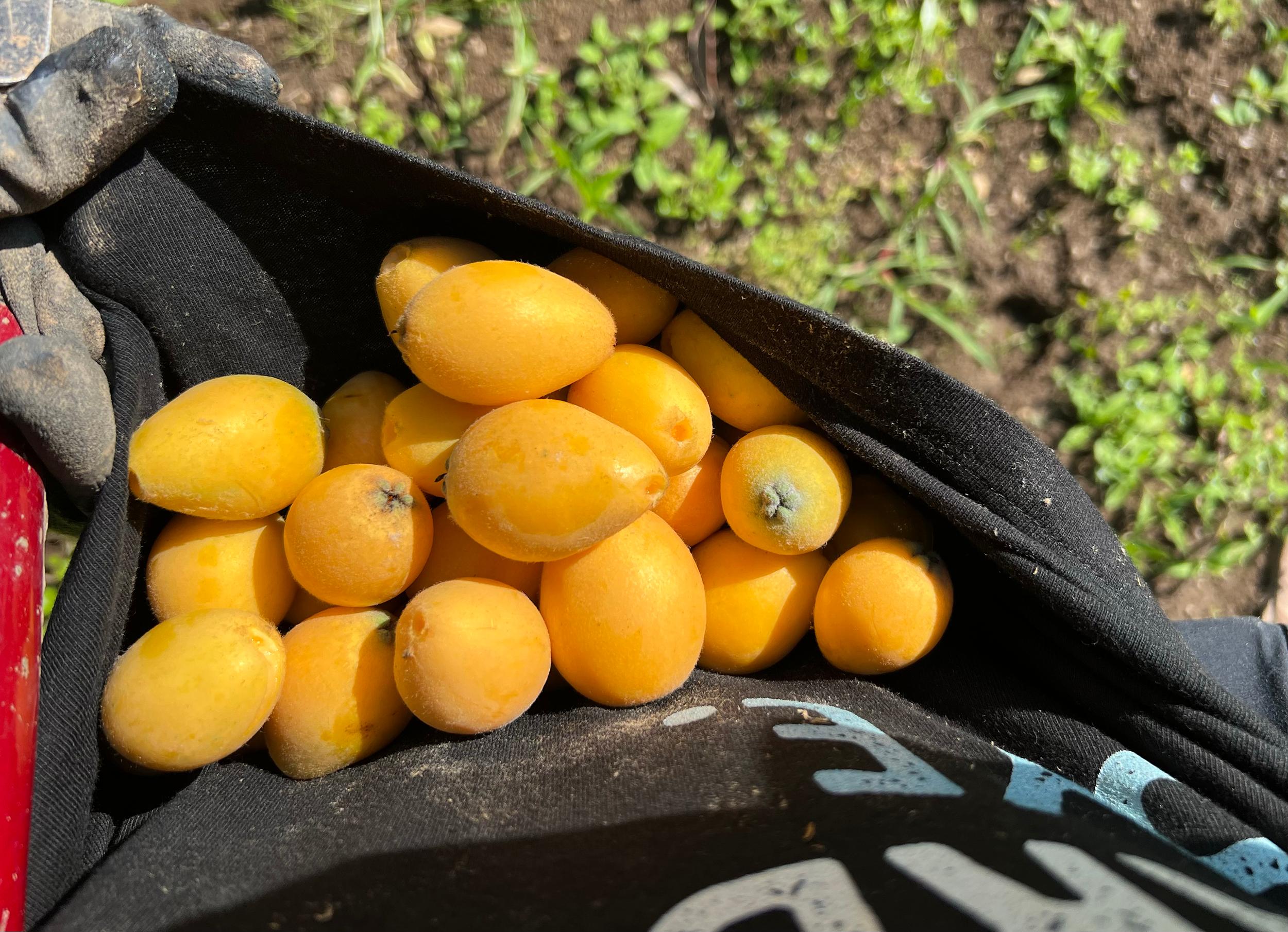
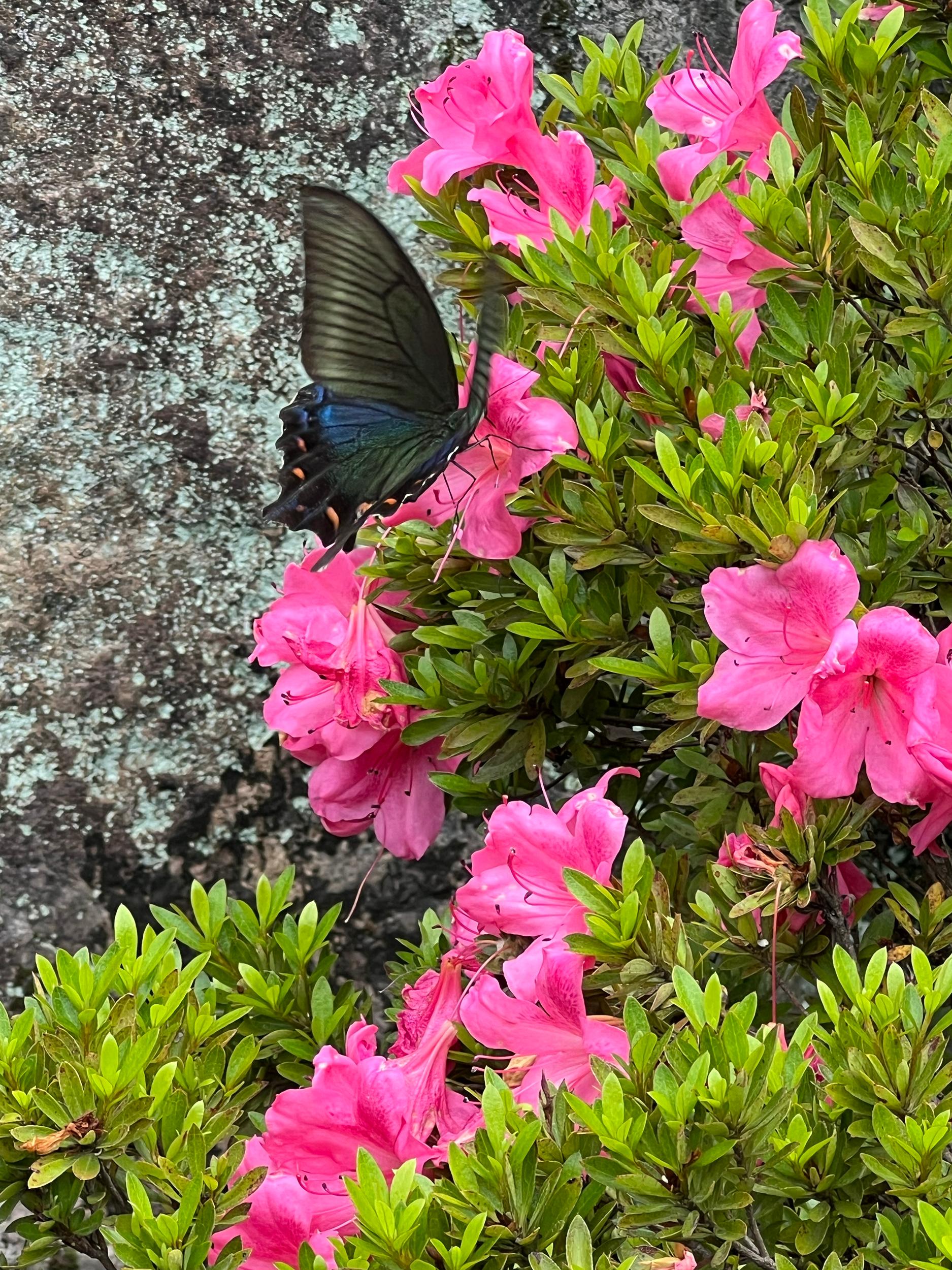
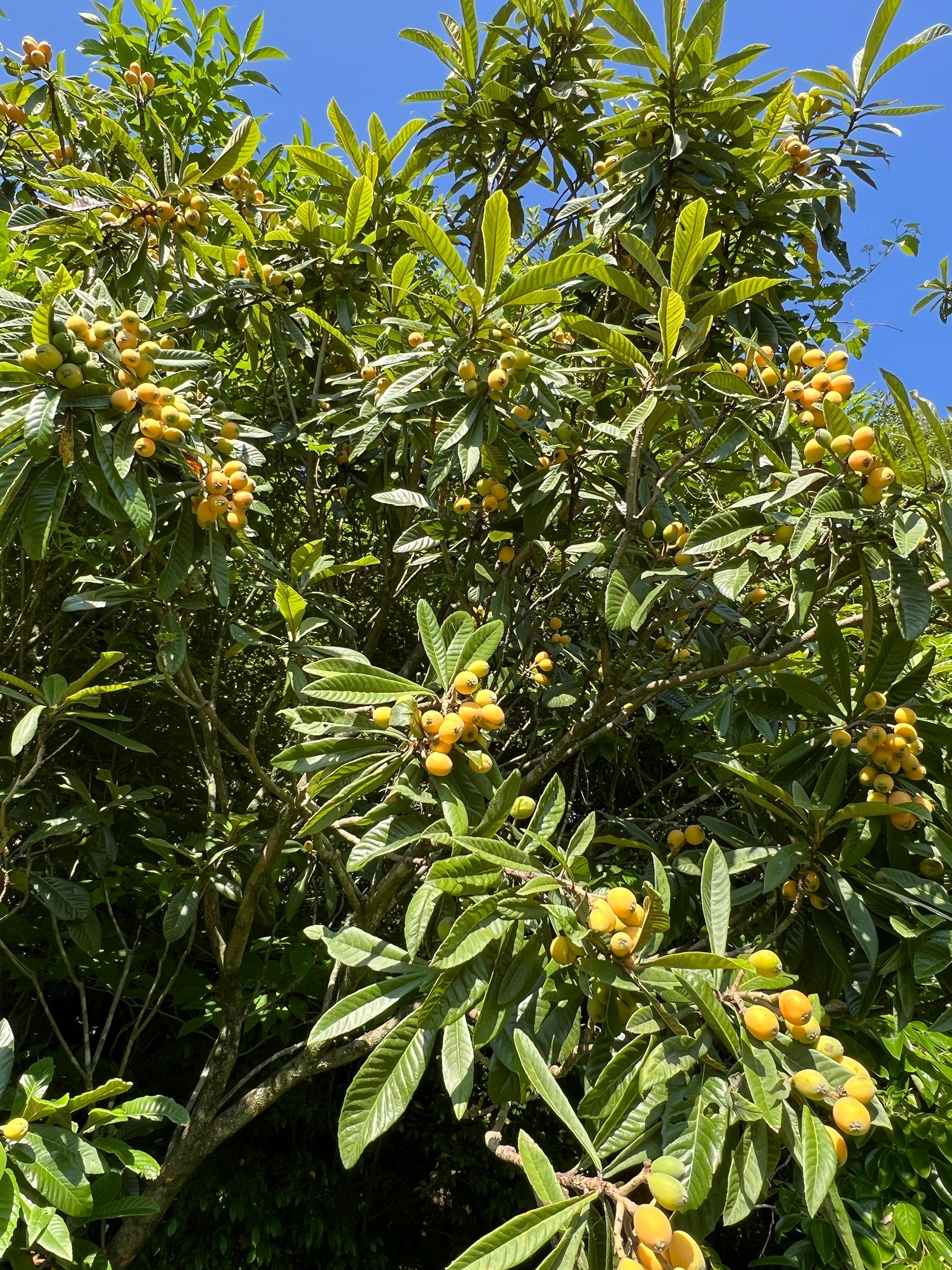
Cherry trees bloom, plums and loquats are picked by the crate full. Bamboo shoots, a spring delicacy, can be harvested from the forest and cooked in traditional dishes. Bowls full of mulberries are made into delicious jam.
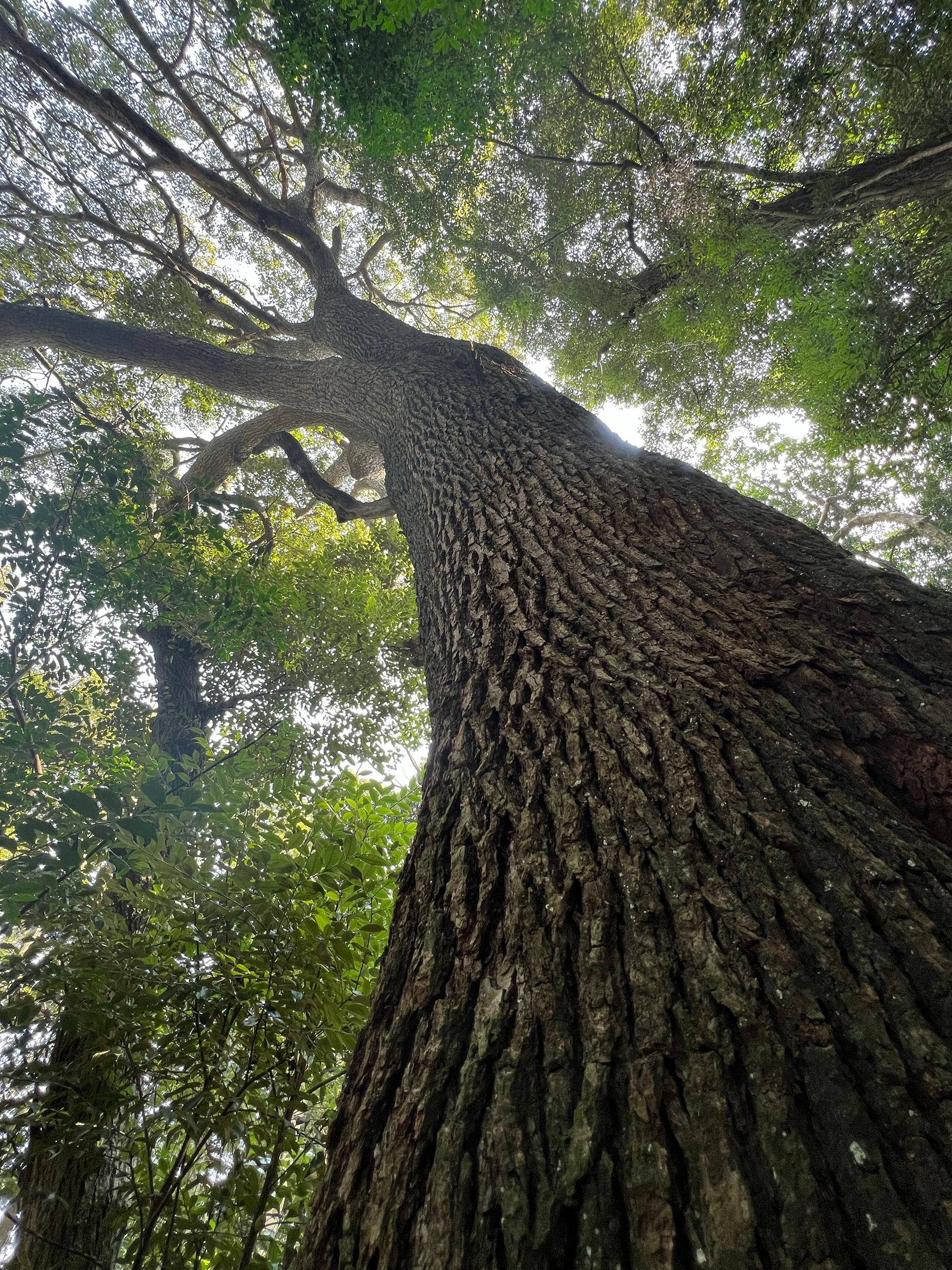
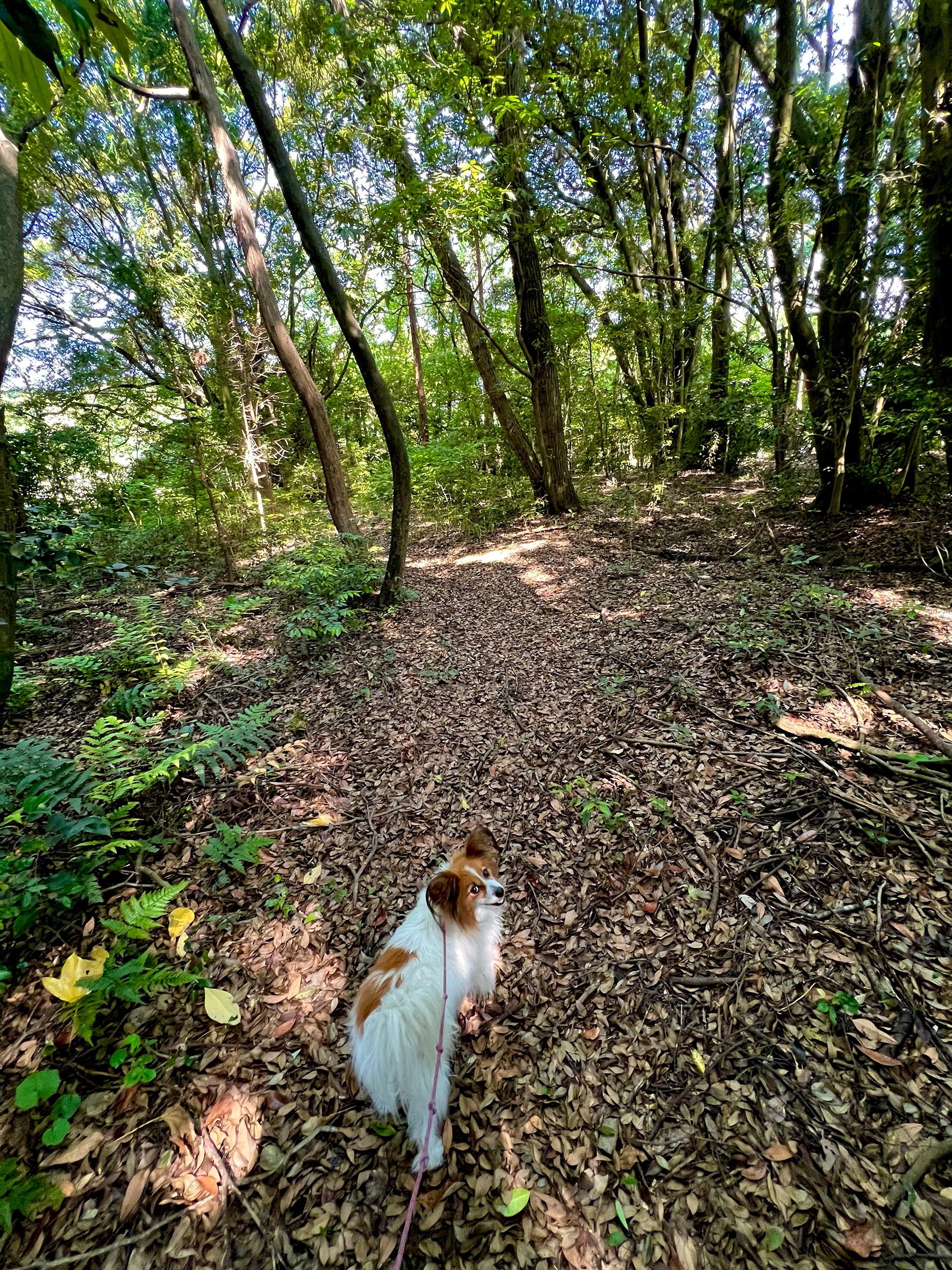
The forest is turning green with freshly unfurled leaves, and is filled with the sound of songbirds. It’s a great time to be here if you’re new to farming and want to understand how things grow. There’s a lot to do and a lot to learn.


Summer 夏
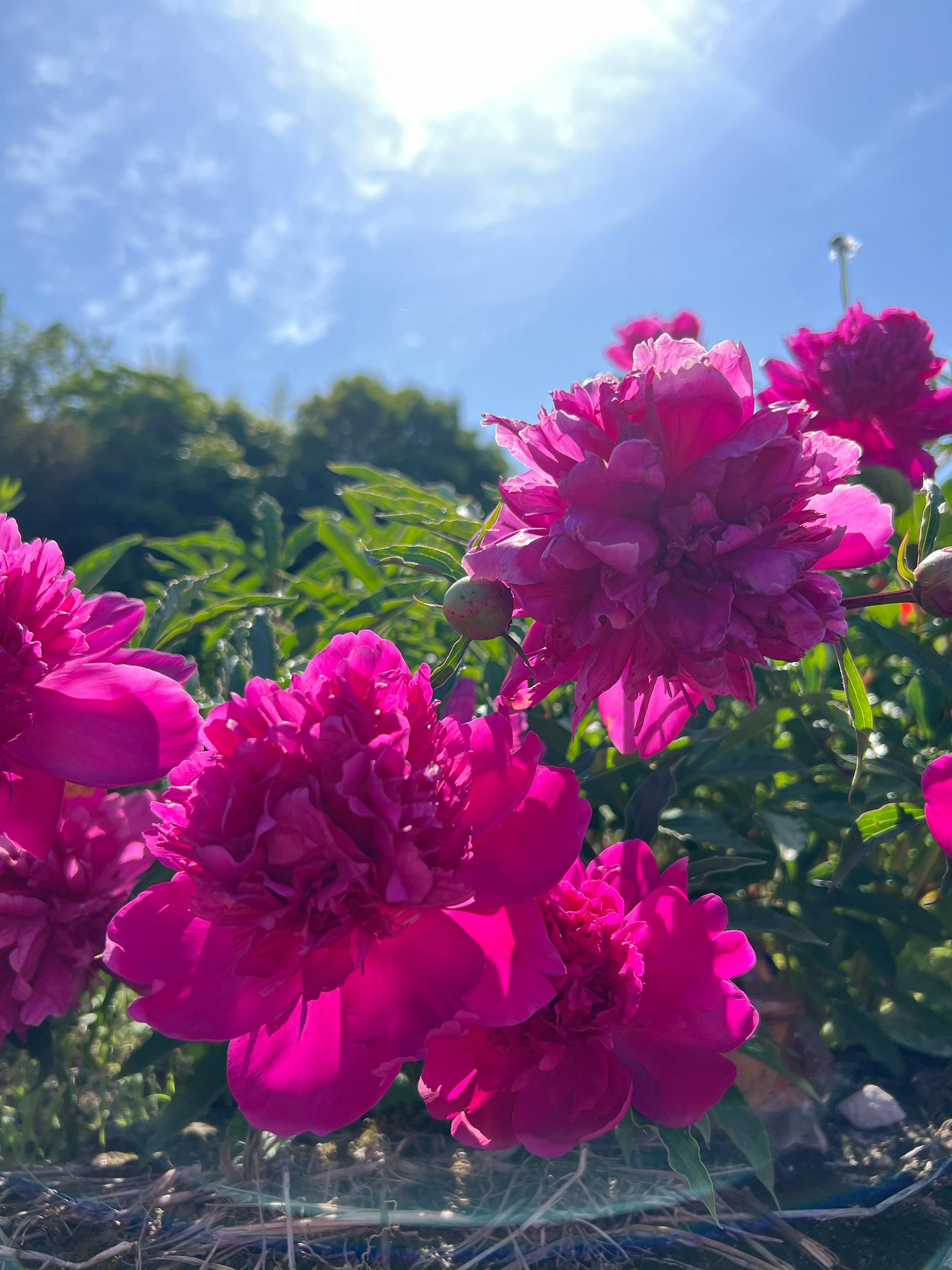
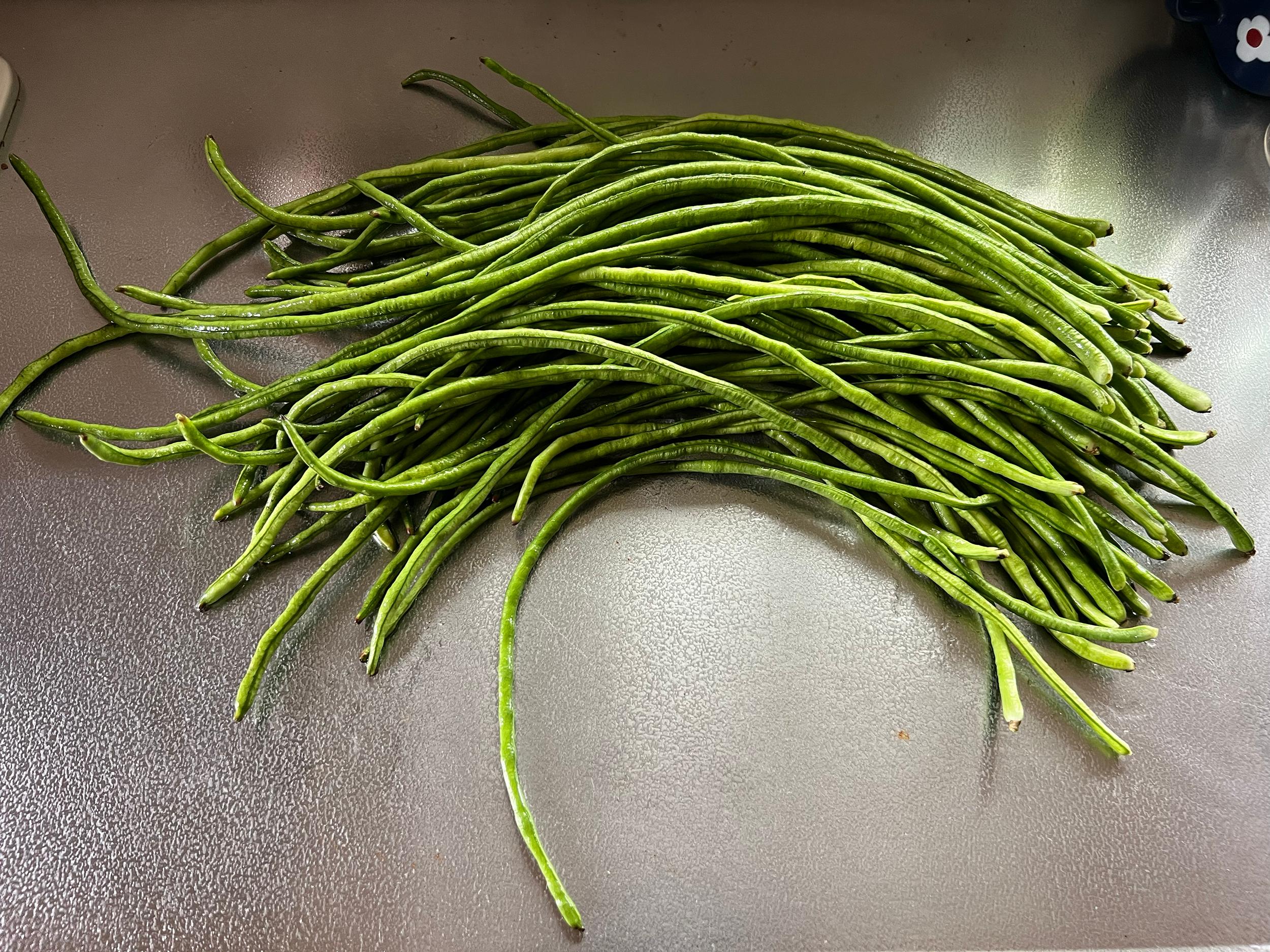
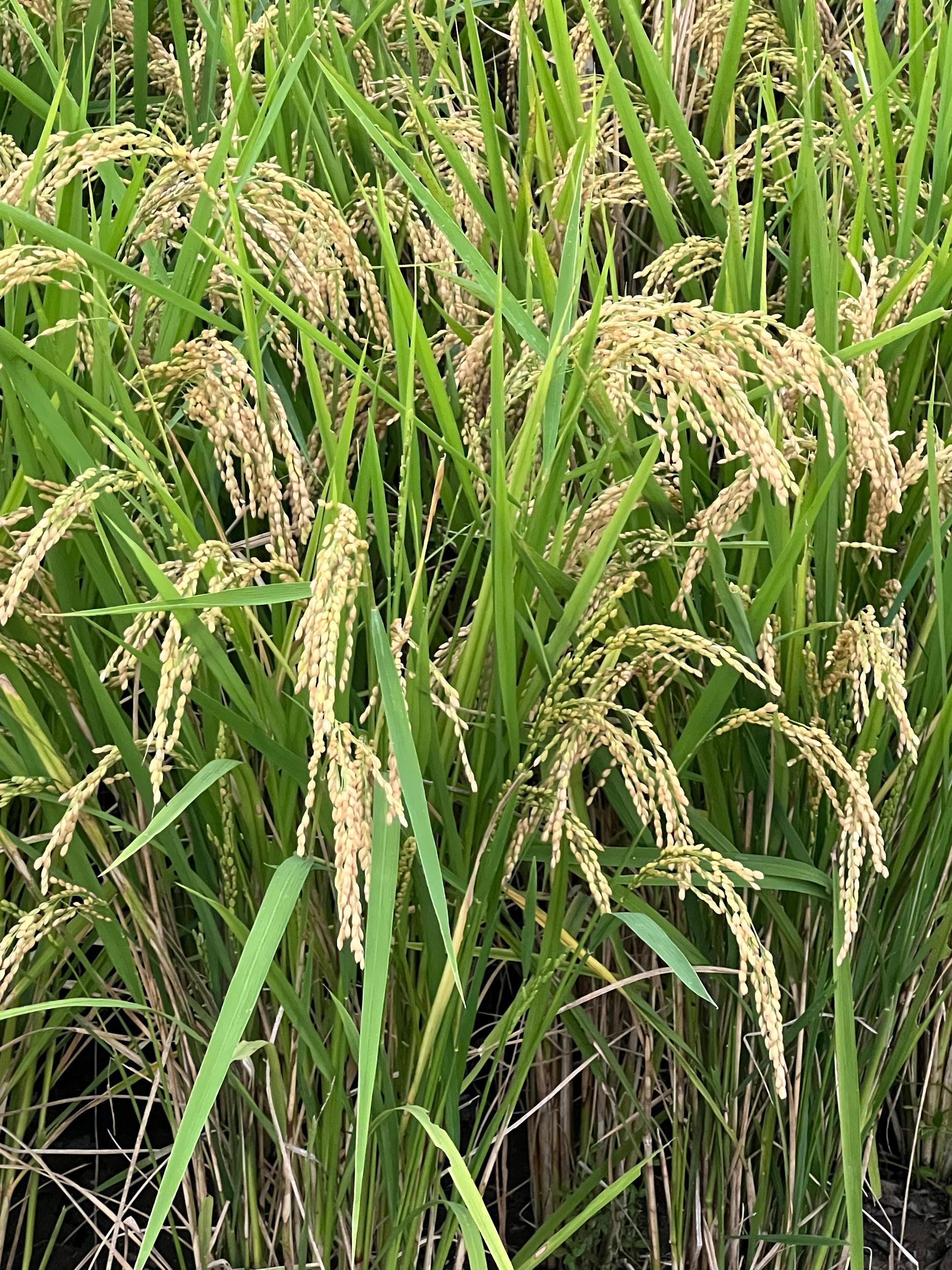
June brings the rainy season, when the rice paddies fill with water and seedlings are planted. Fireflies can be seen in the late evenings down by the little river and even in the formal gardens. The rain boosts the spring plantings and suddenly the vegetable gardens are flowering, the beans are climbing up the trellises, tomatoes. Ken’s are going crazy, and everything seems to grow overnight.
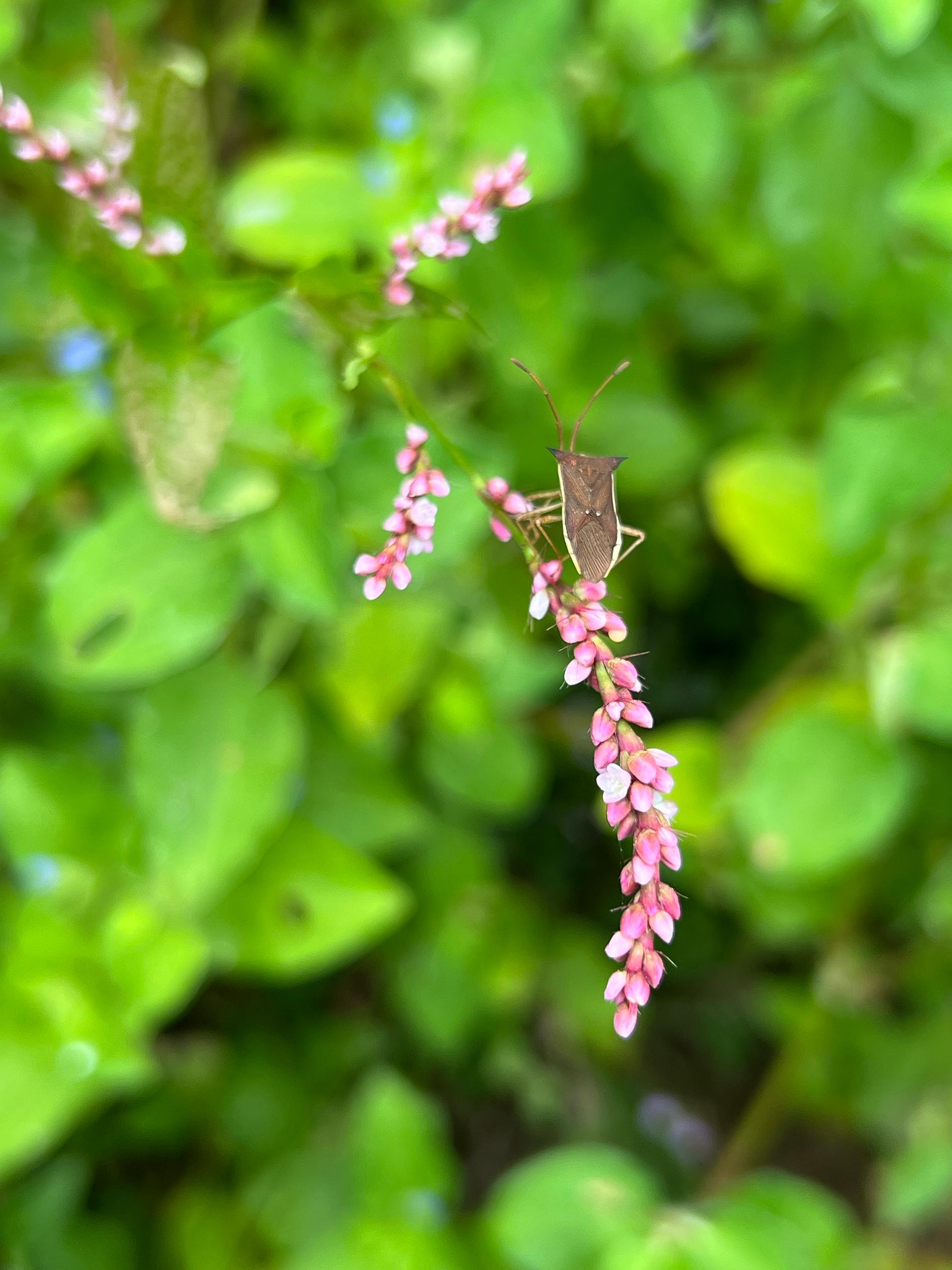
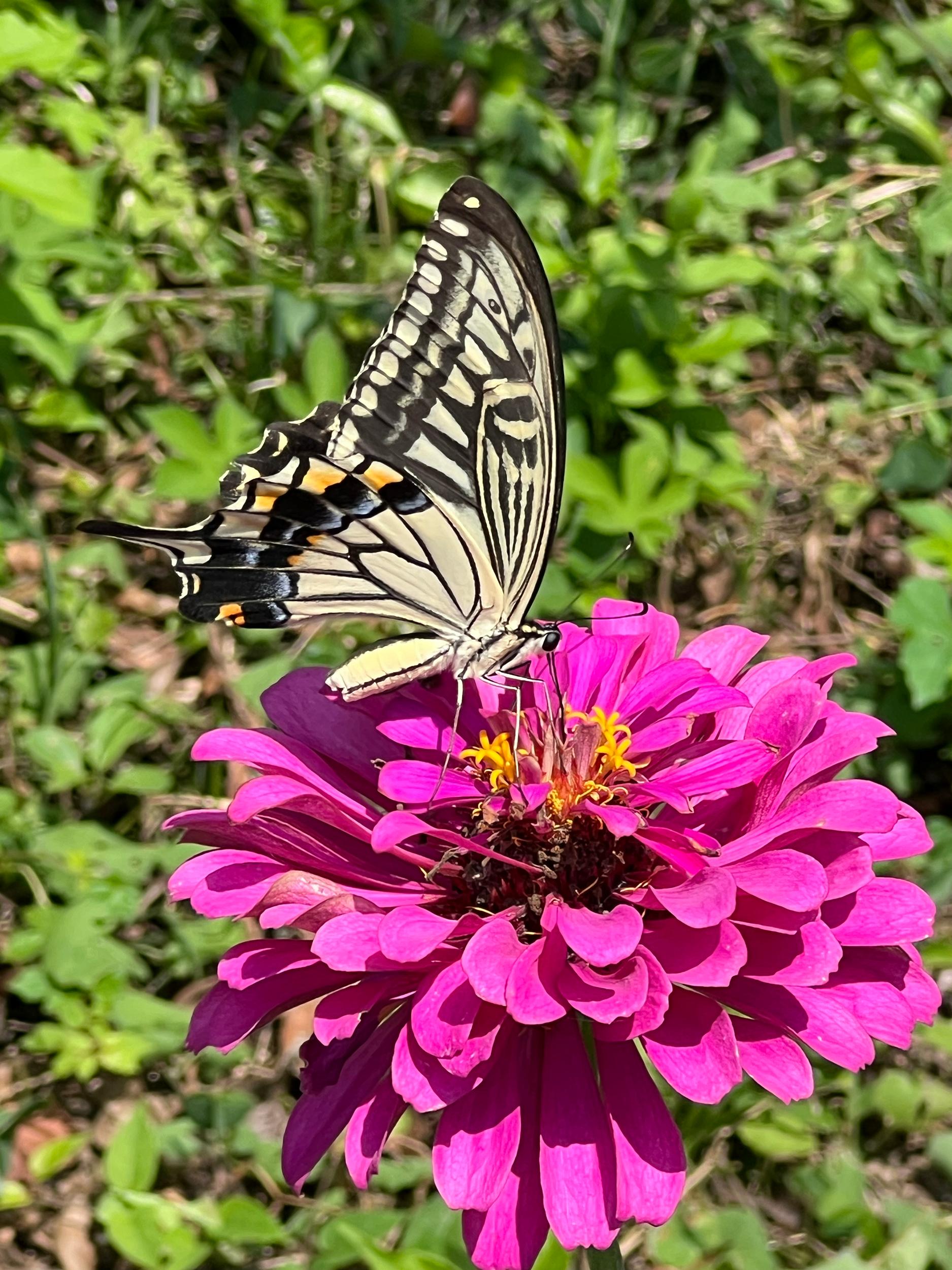
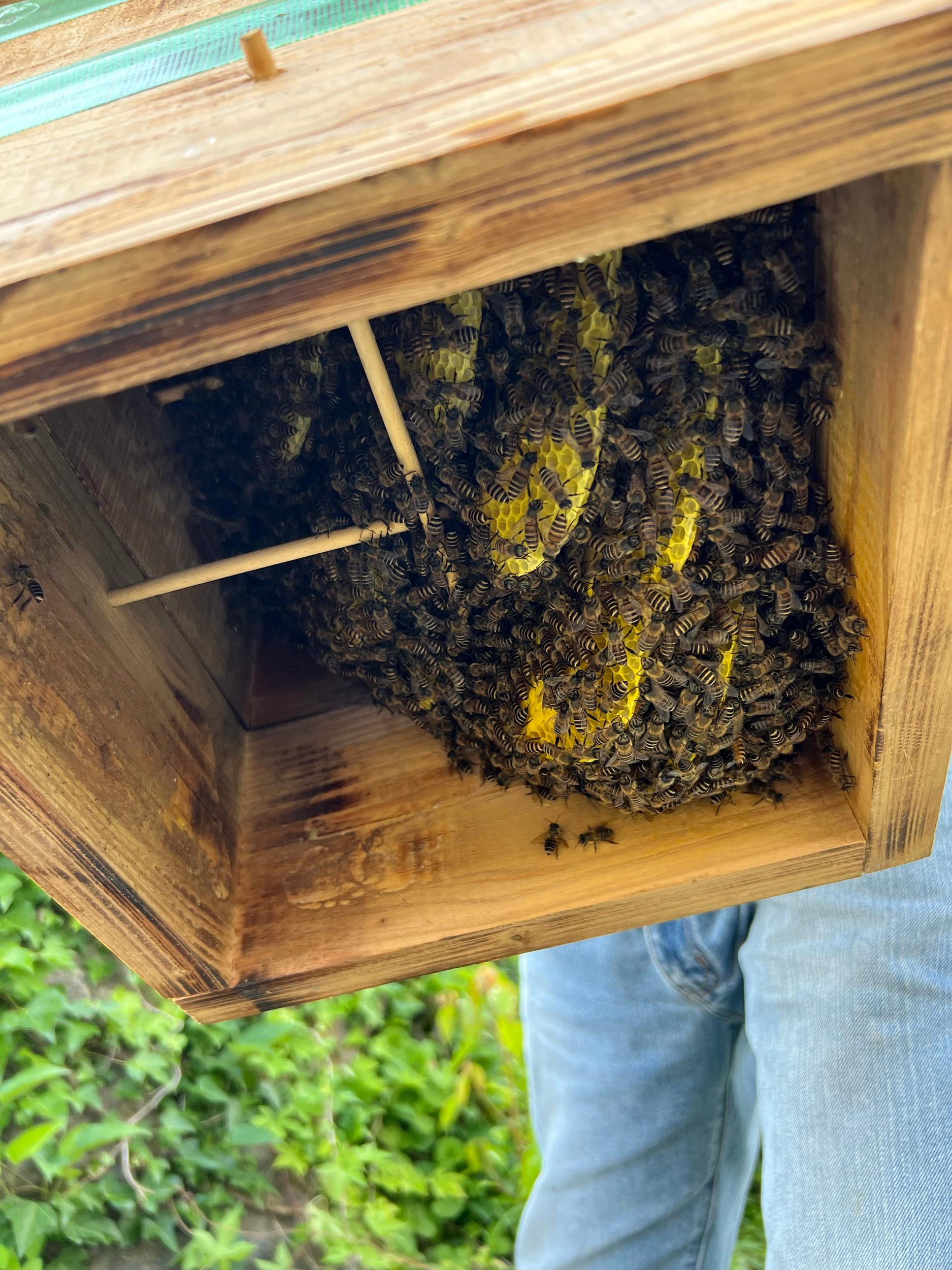
Then the heat and humidity of summer arrives. The bees are buzzing. Tomatoes, eggplants, cucumbers, beans, peppers, pumpkins and melons... basil, shiso, ginger and many other herbs and flowers too— the vegetable garden is producing full speed. And so are the blueberries!
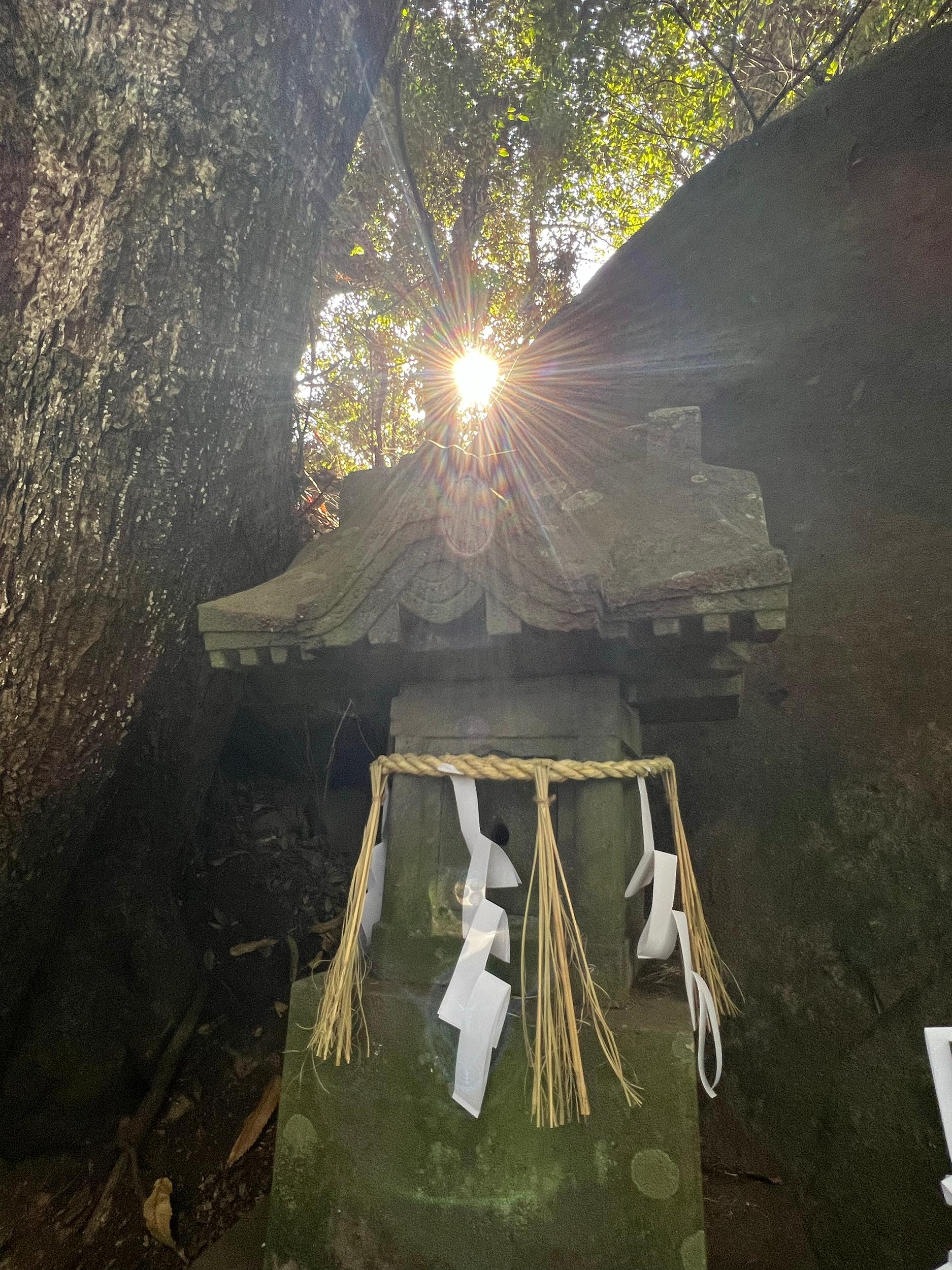
Weeding, watering and harvesting become the main activities for the crew. The high forest canopy offers respite from the heat, and a walk up the stone steps through the bamboo grove to the shrine, fishing in the river, or a bike ride to the beach for a swim is refreshing.
It’s the hardest season to work in, but also one of the most satisfying.
hydrangeas
pale blue in the rain
blue in the moonlight
ajisai no
ame ni asagi ni
tsuki ni aoshi
Masaoka Shiki (1867-1902)

Someone goes by wearing a hood
in his own darkness
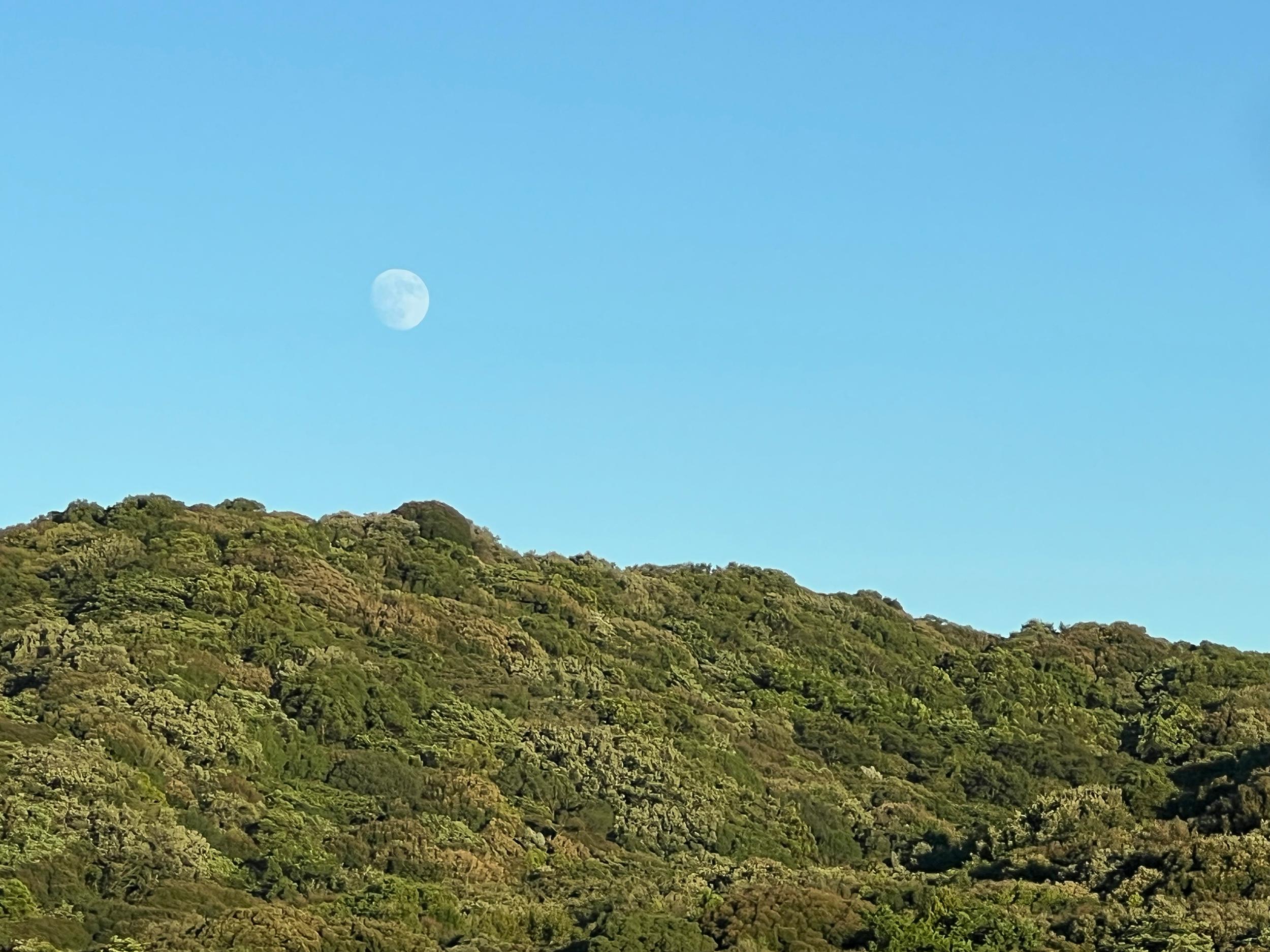
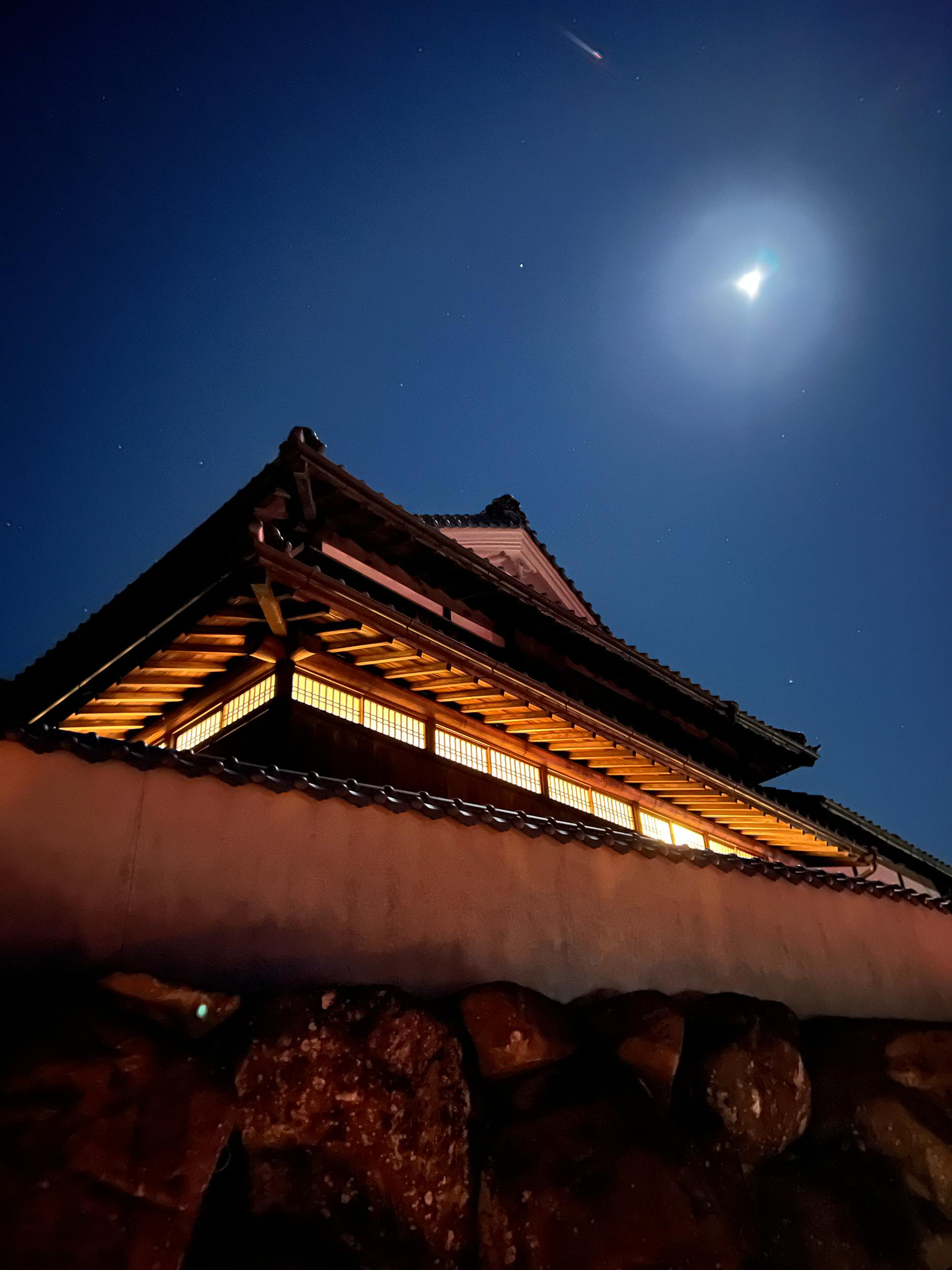
not seeing the harvest moon
mi no yami no
zukin mo toru
tsukimi kana
Yosa Buson (1716-1784)
Autumn 秋
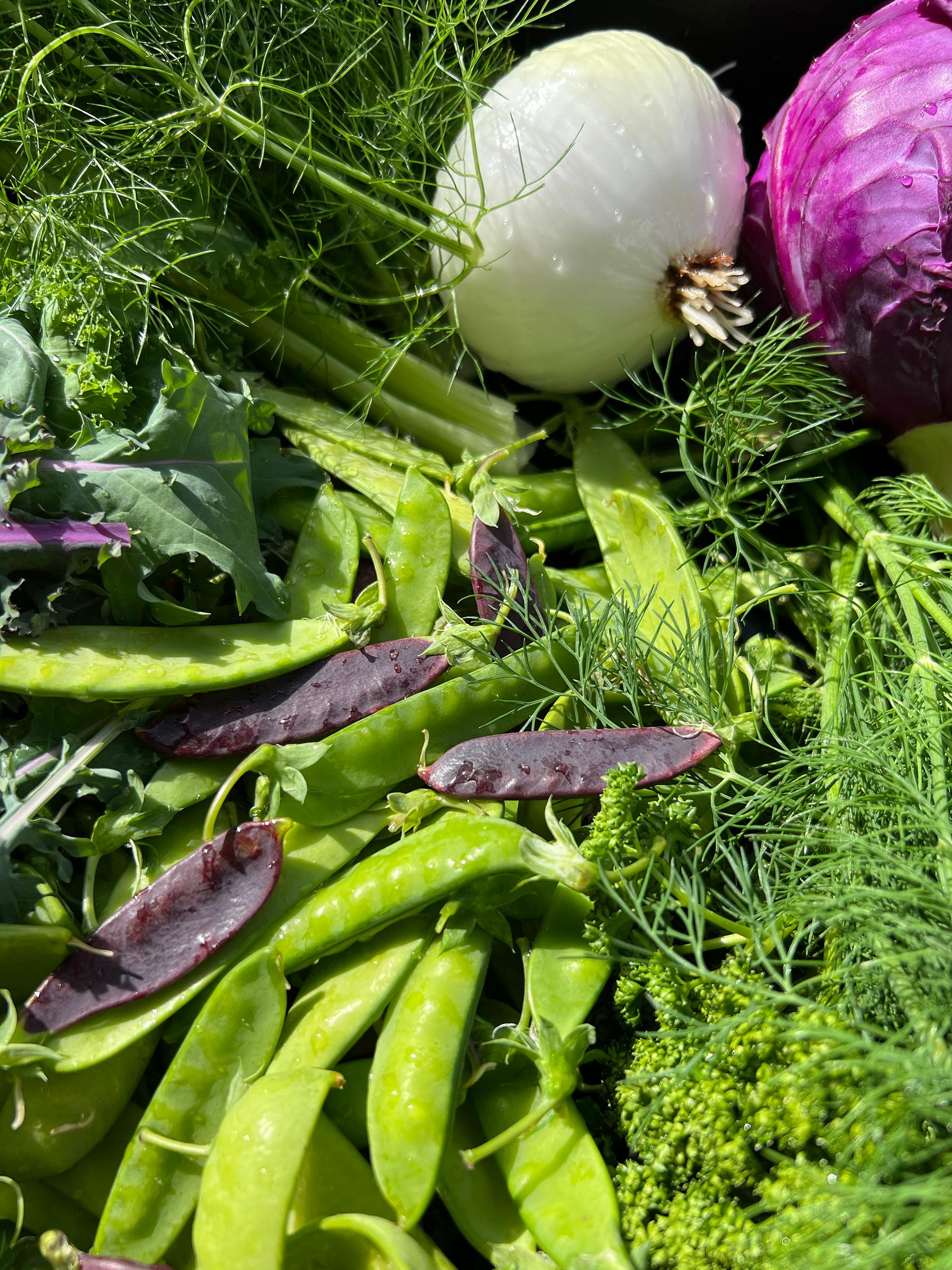
When the air cools down in late September, it’s time to start planting again. Cool weather crops such as broccoli, cauliflower, snow peas, fava beans, carrots, onions, garlic, radishes, Swiss chard, kale, lettuce, and a multitude of other healthy greens are planted and rapidly begin to produce.
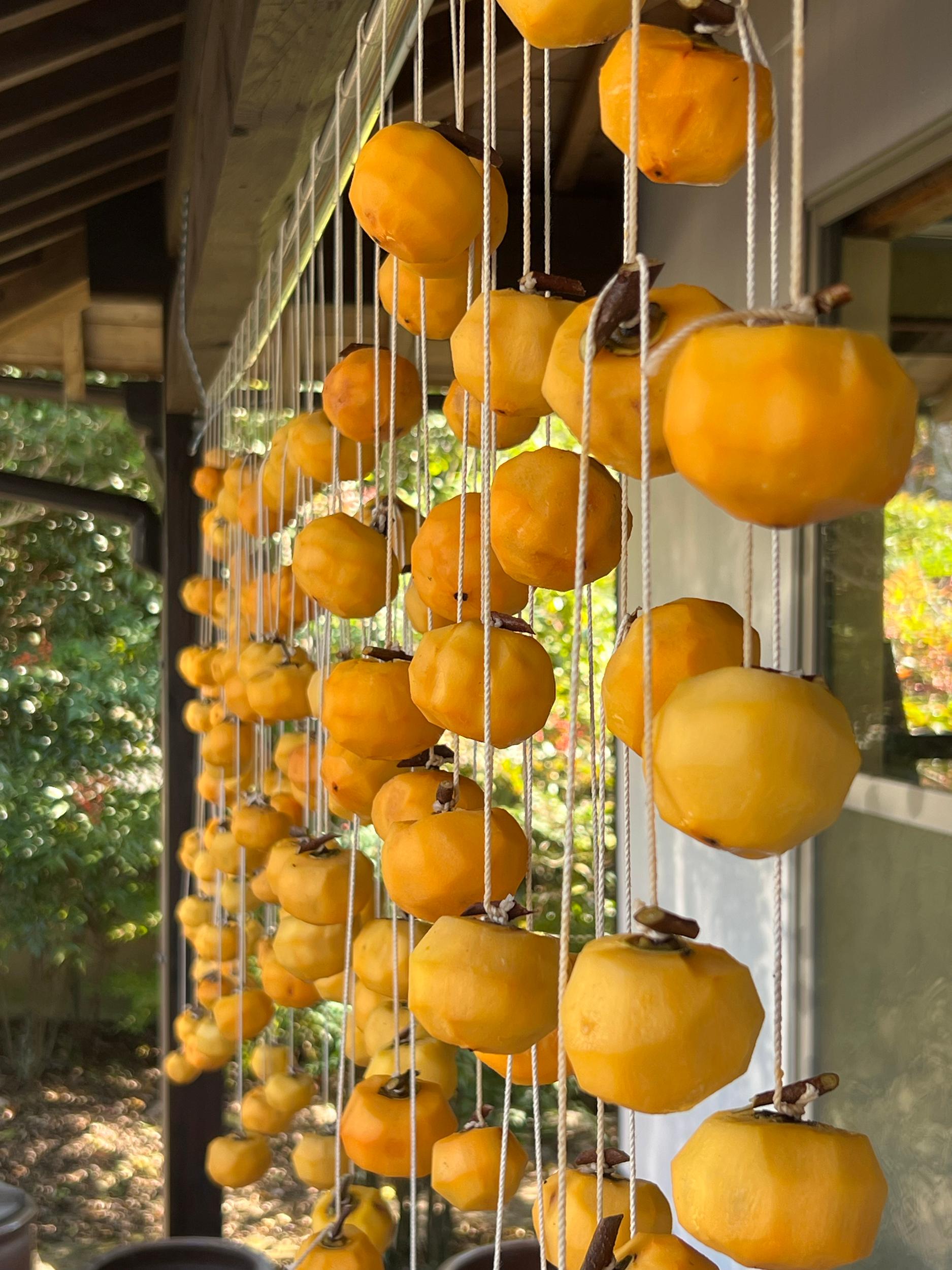
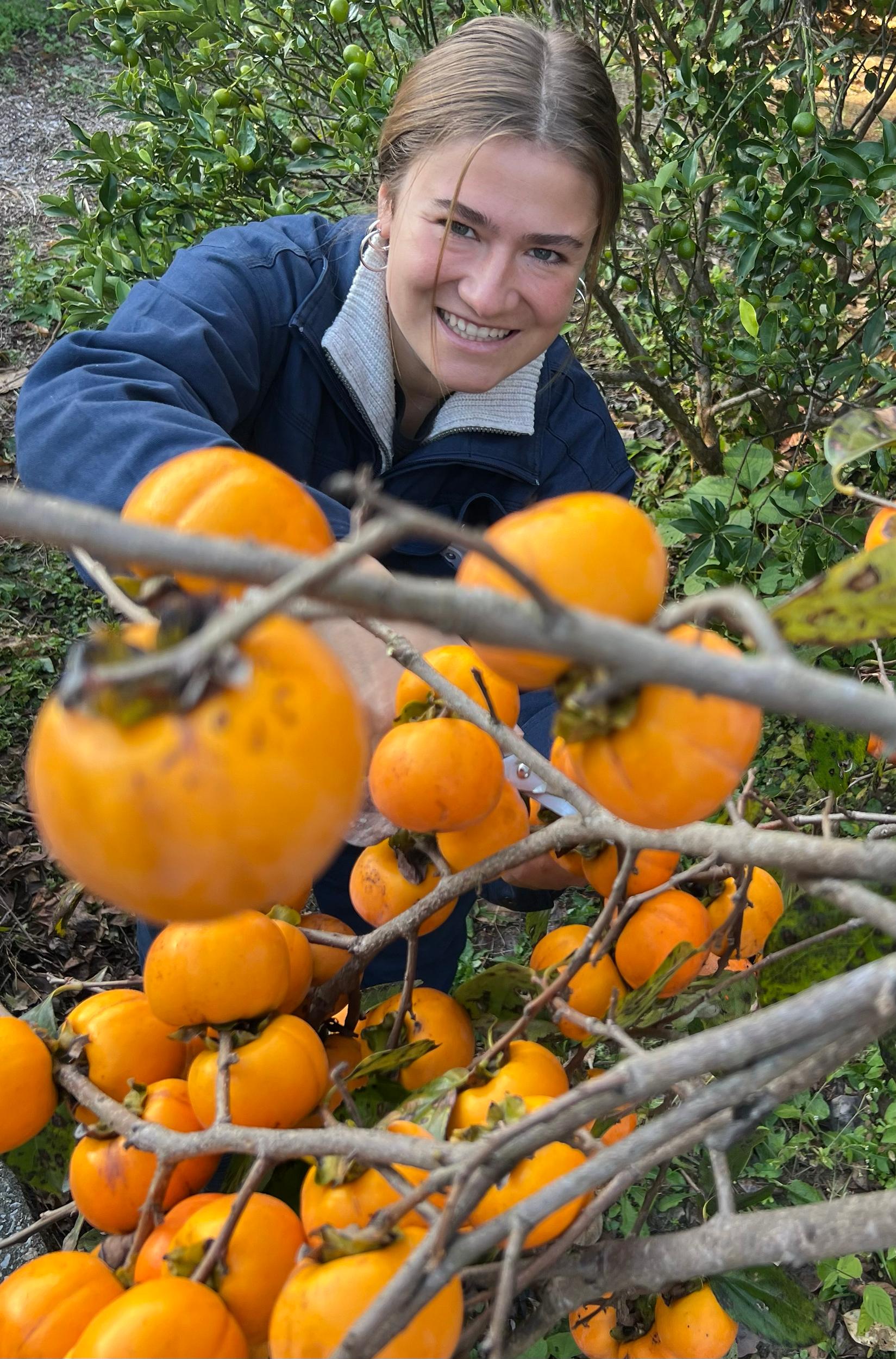
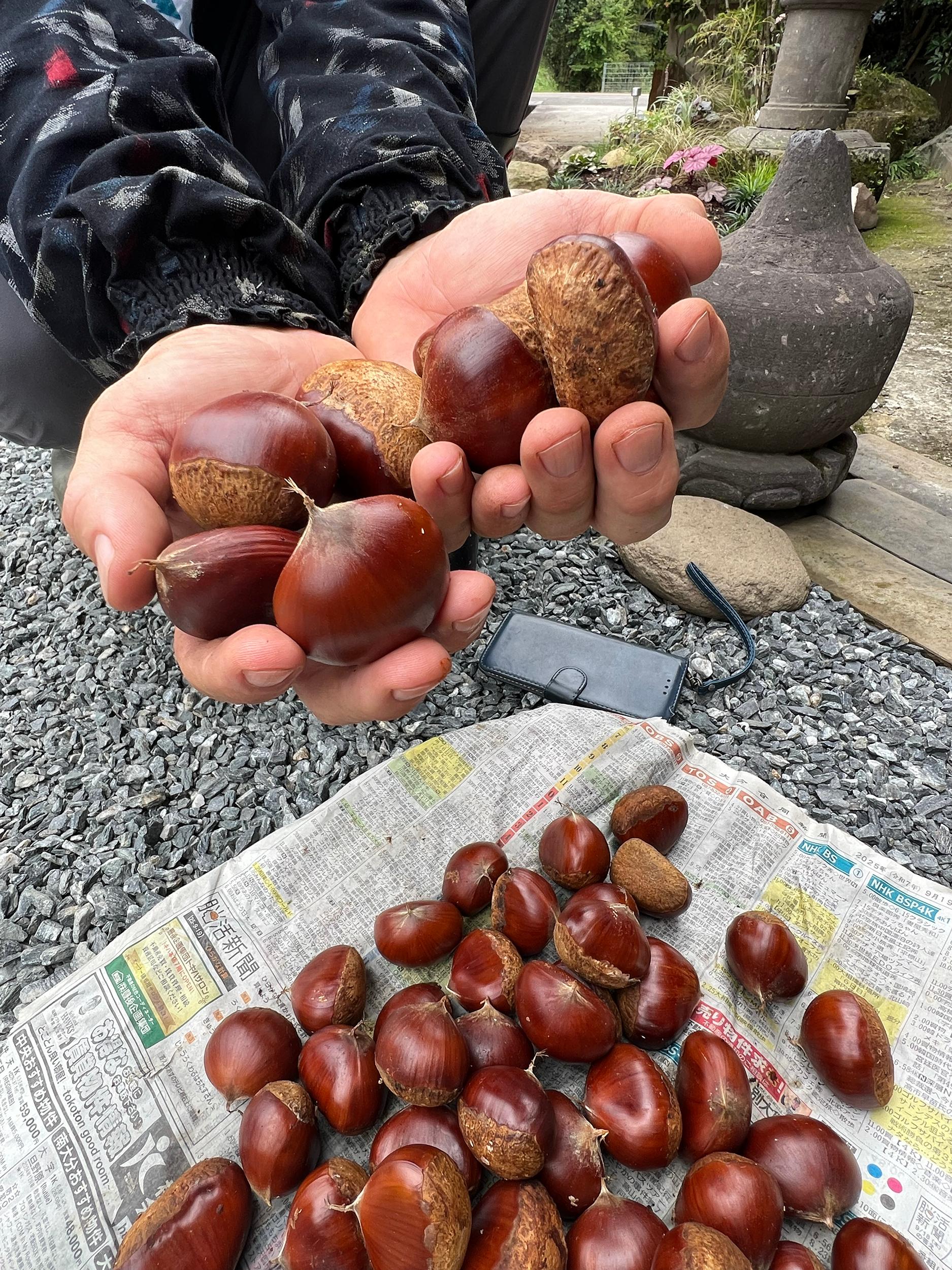
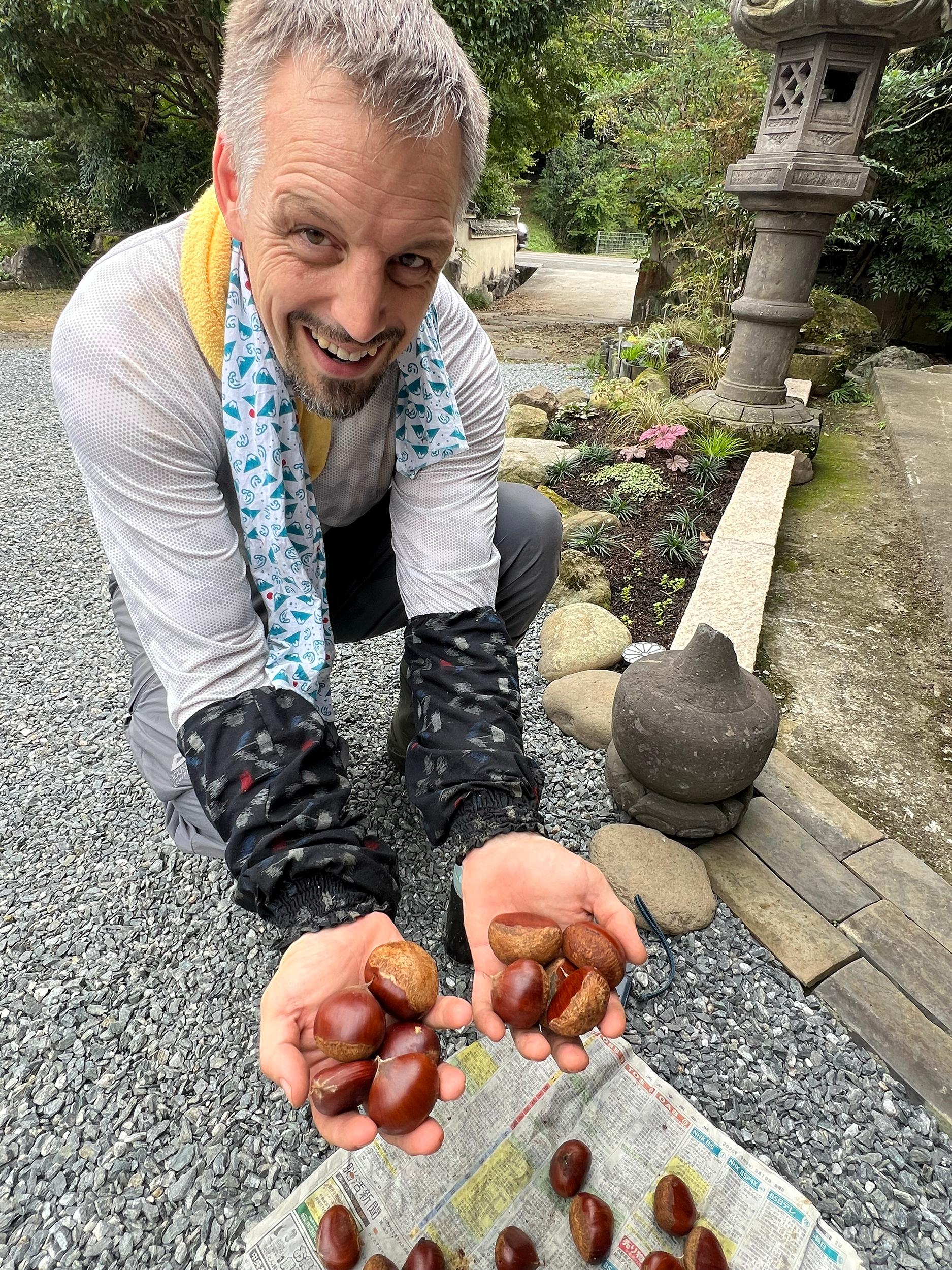
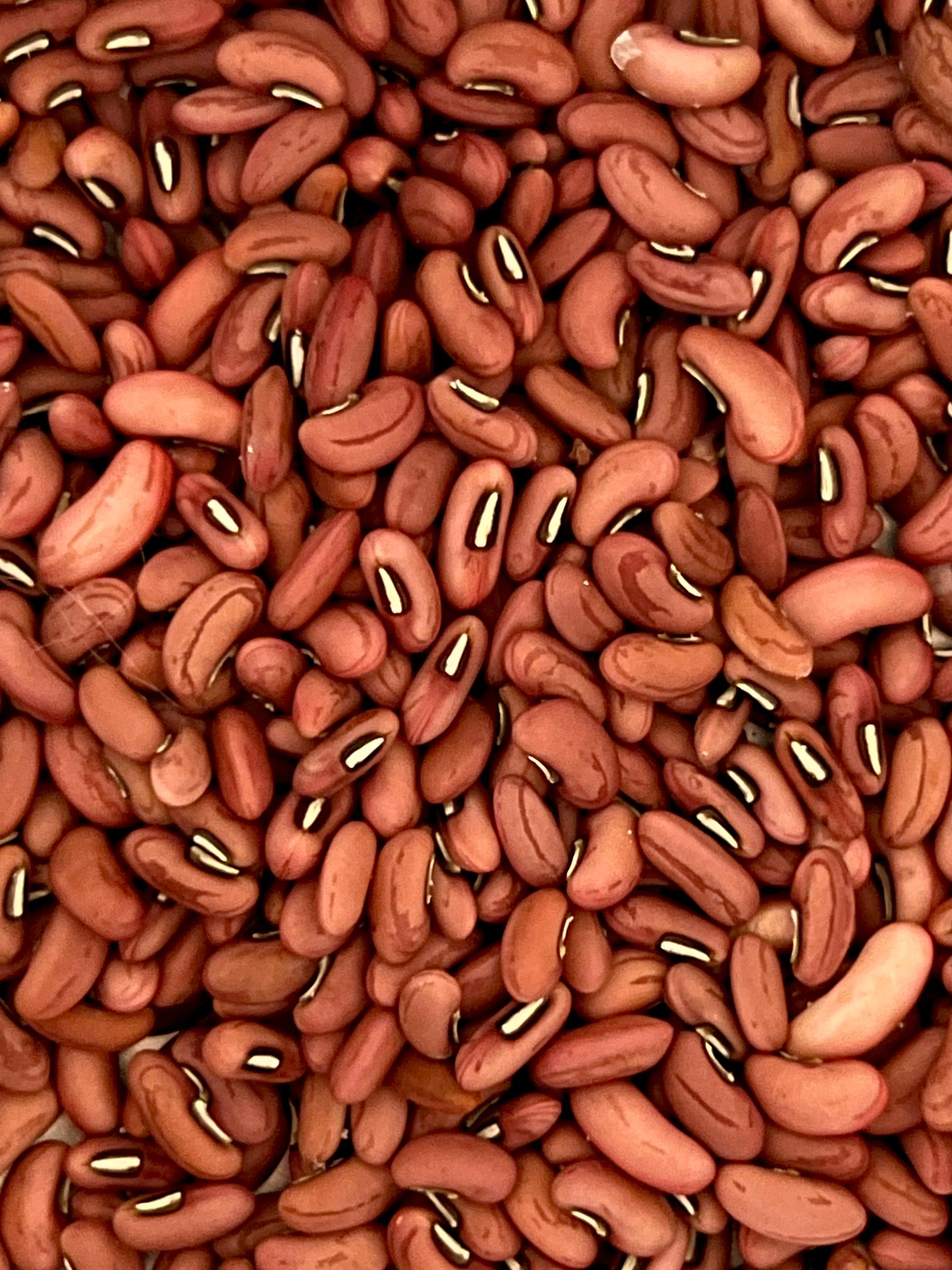
Ripe persimmons are picked and hung to dry or made into cobblers and crisps. Handfuls of chestnuts are cooked with the freshly harvested rice, and shiitake mushrooms are at their best.
Honey that the bees made from summer flowers is collected. The weeds slow down, so the pace of the work shifts into something a little calmer.
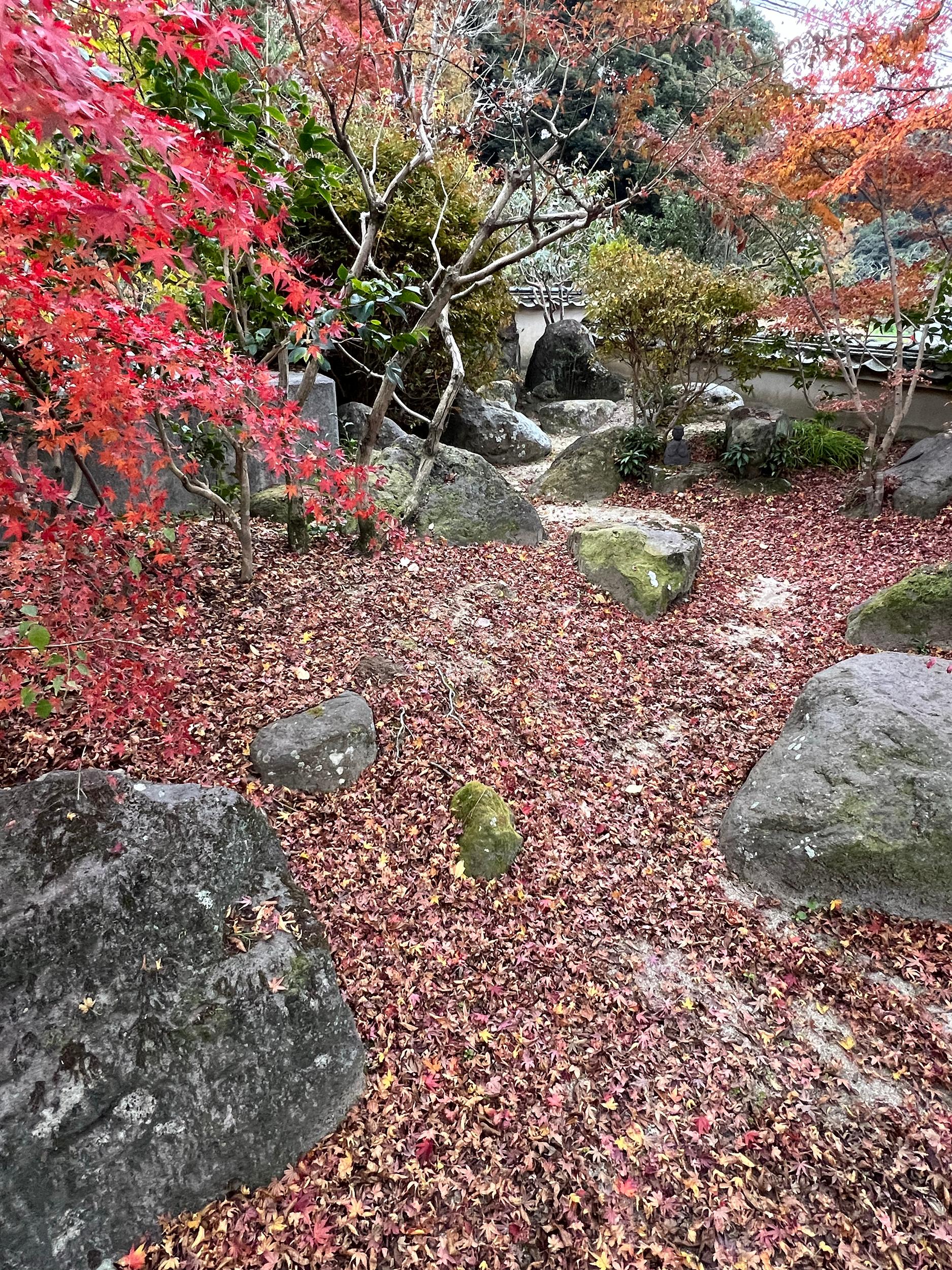
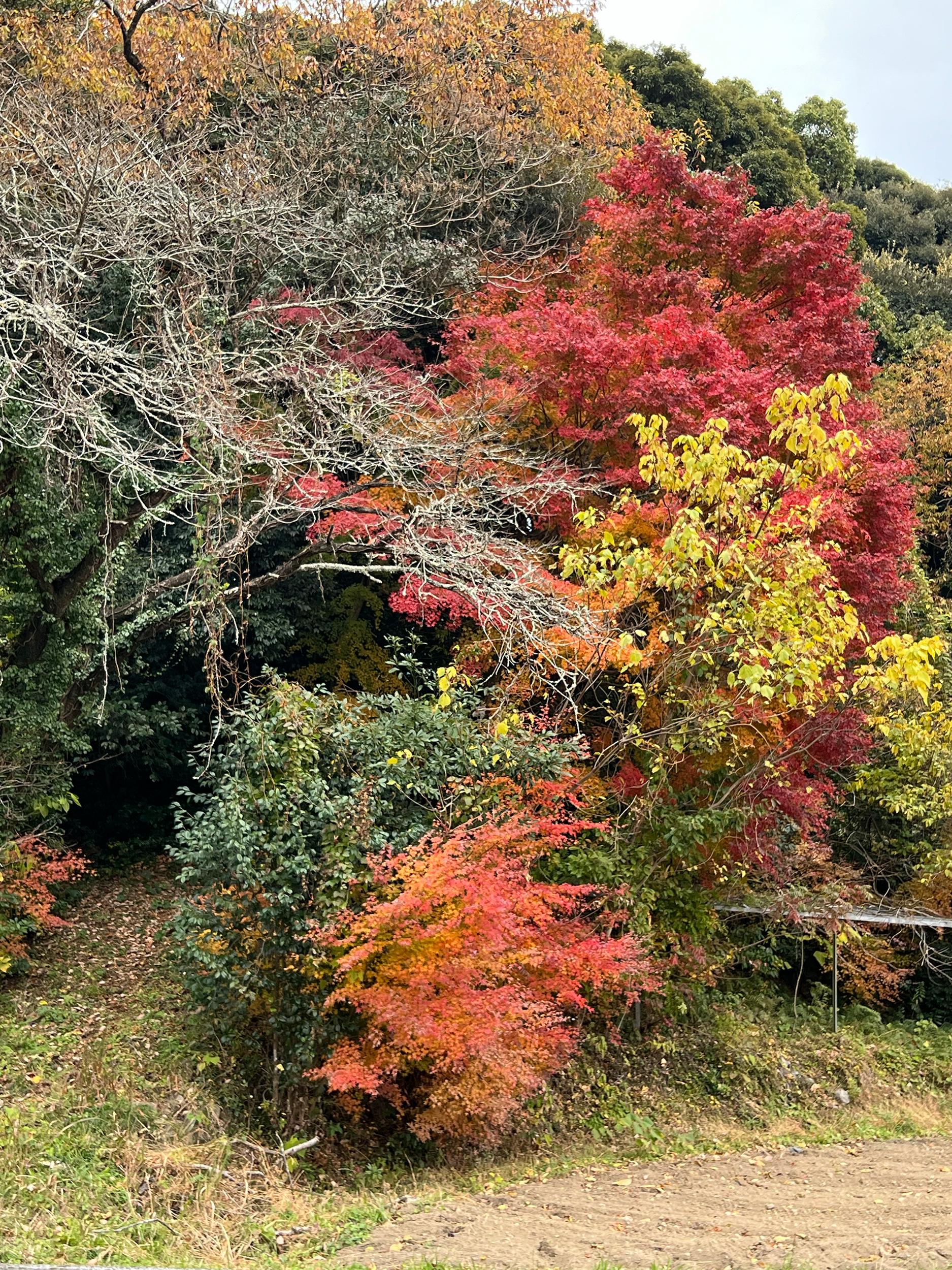
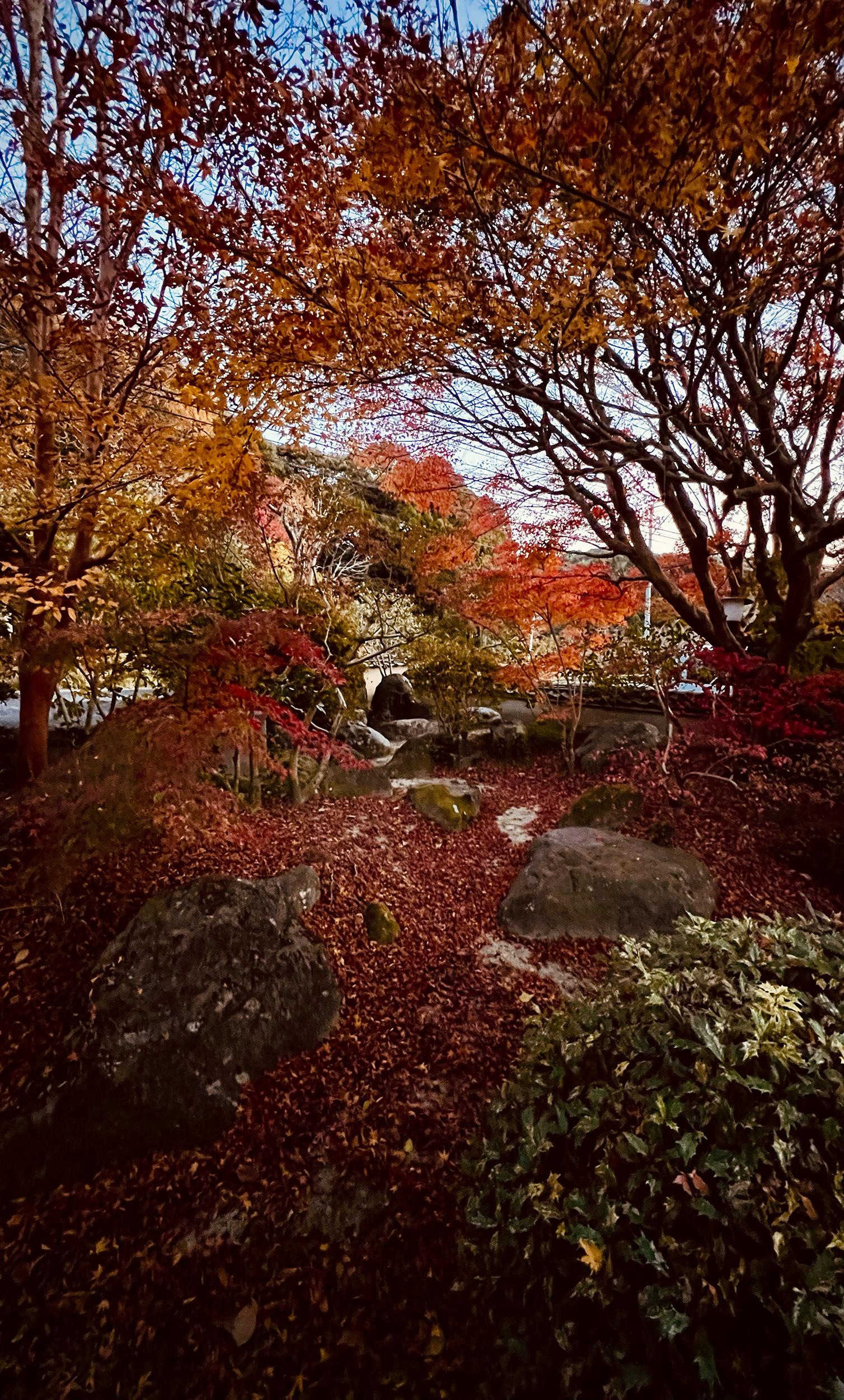
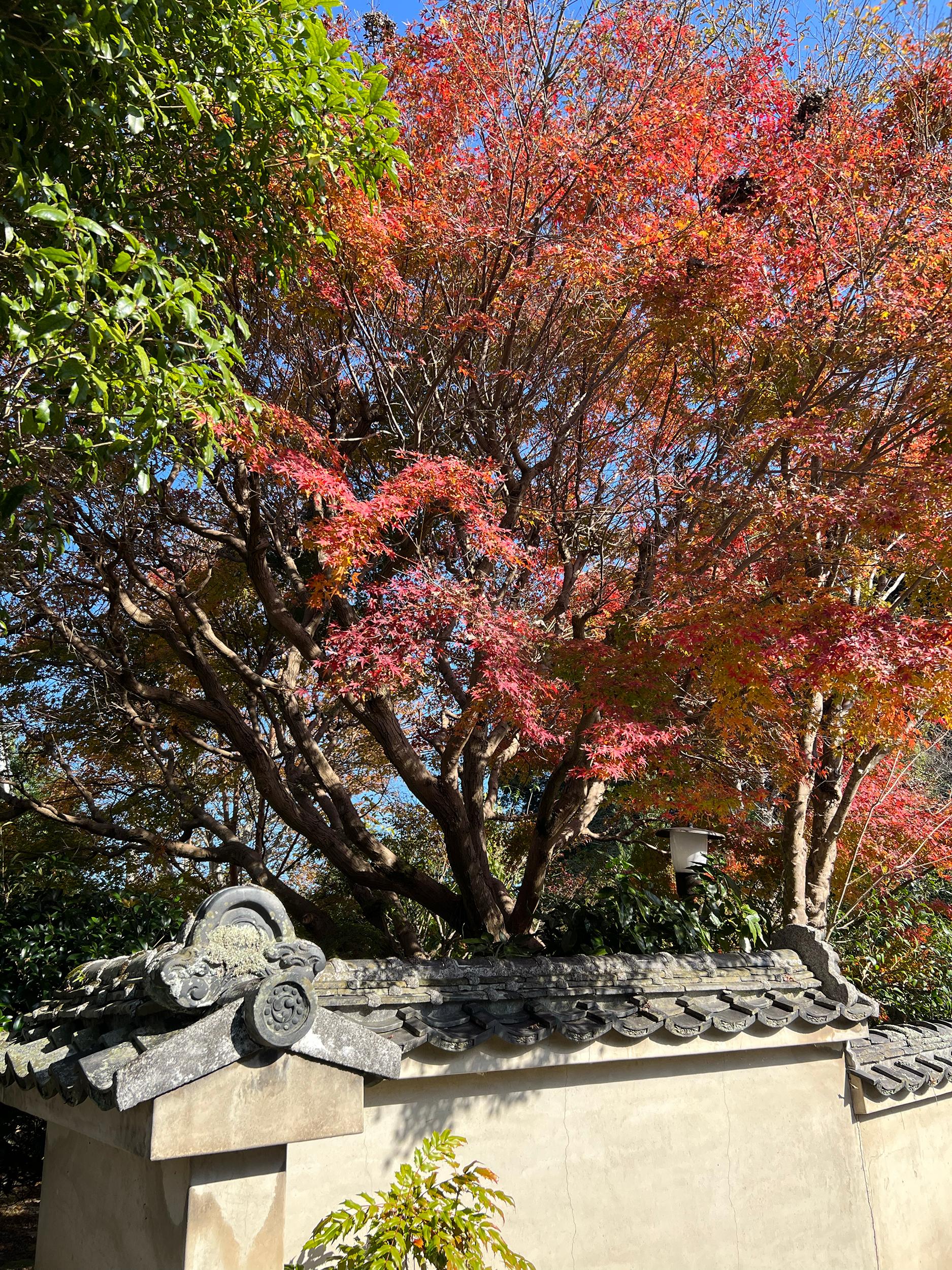
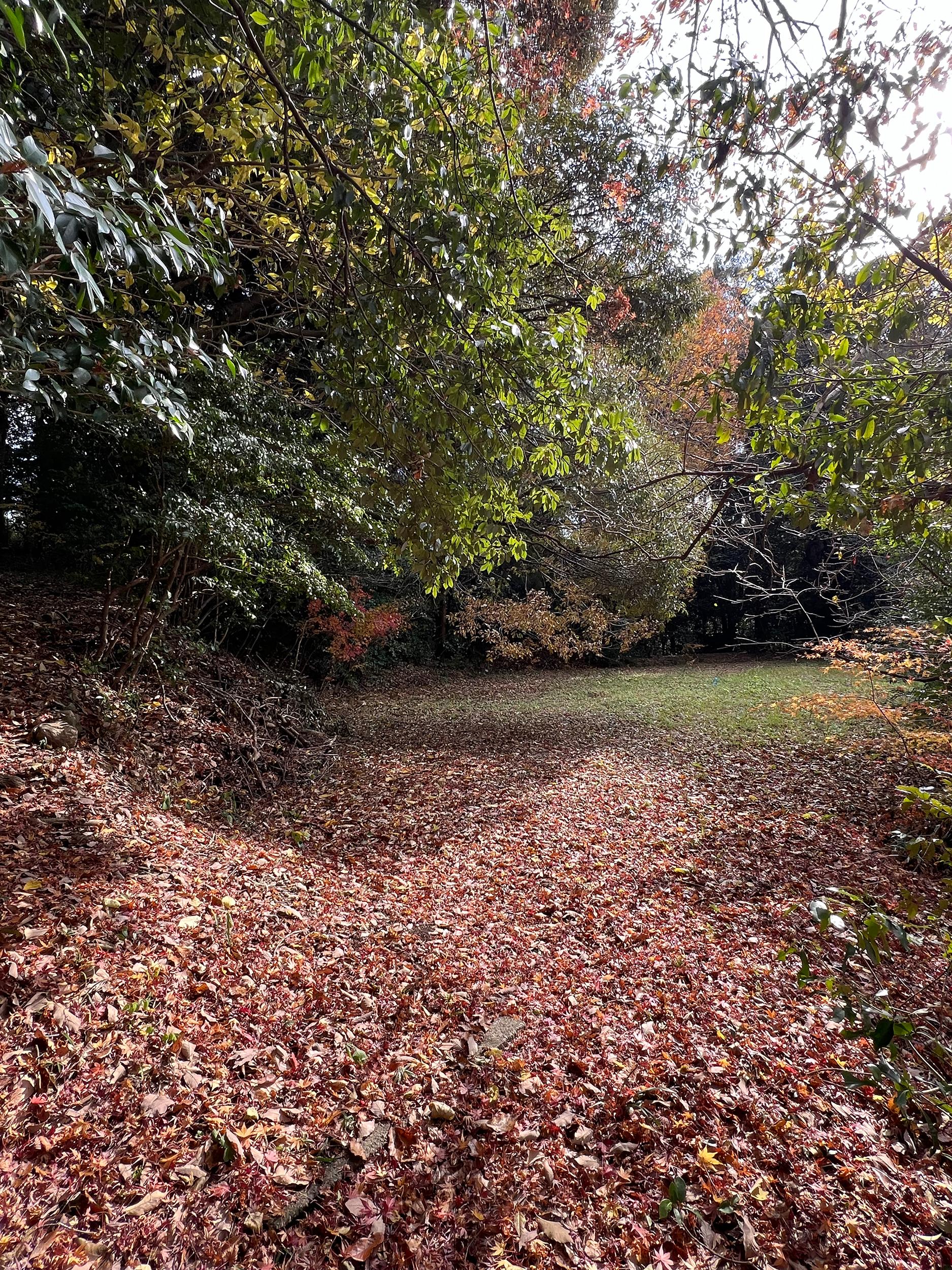
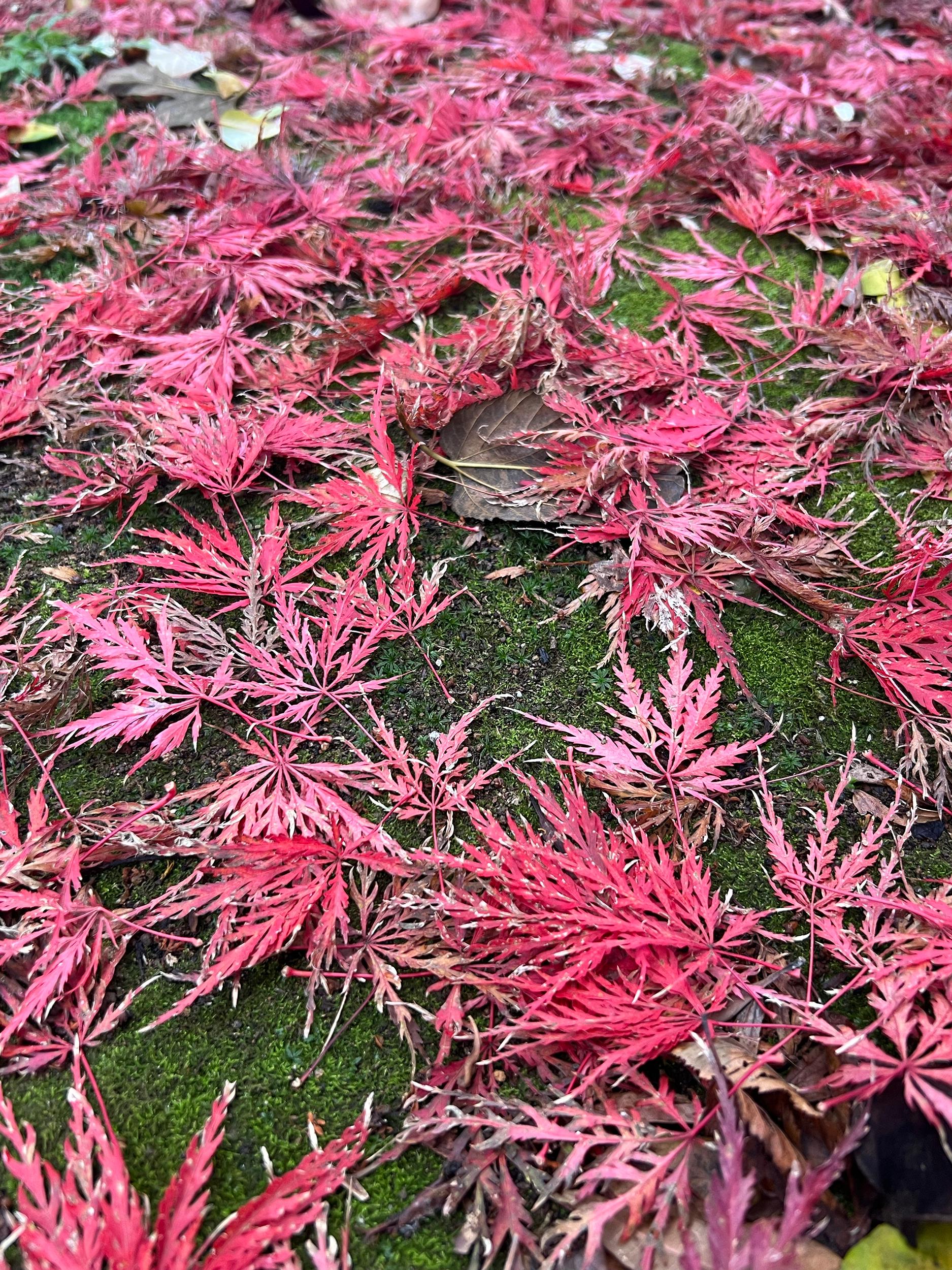
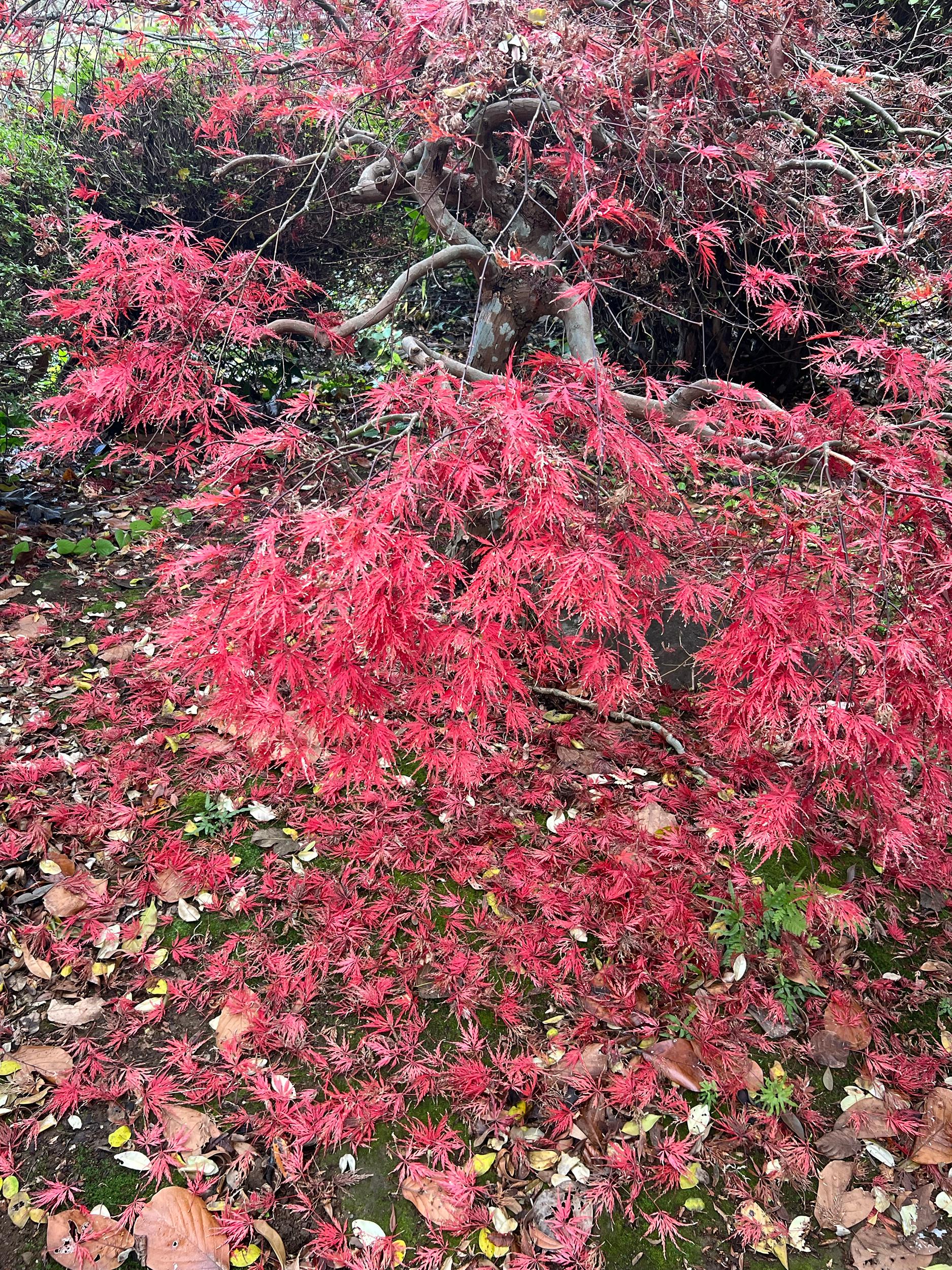
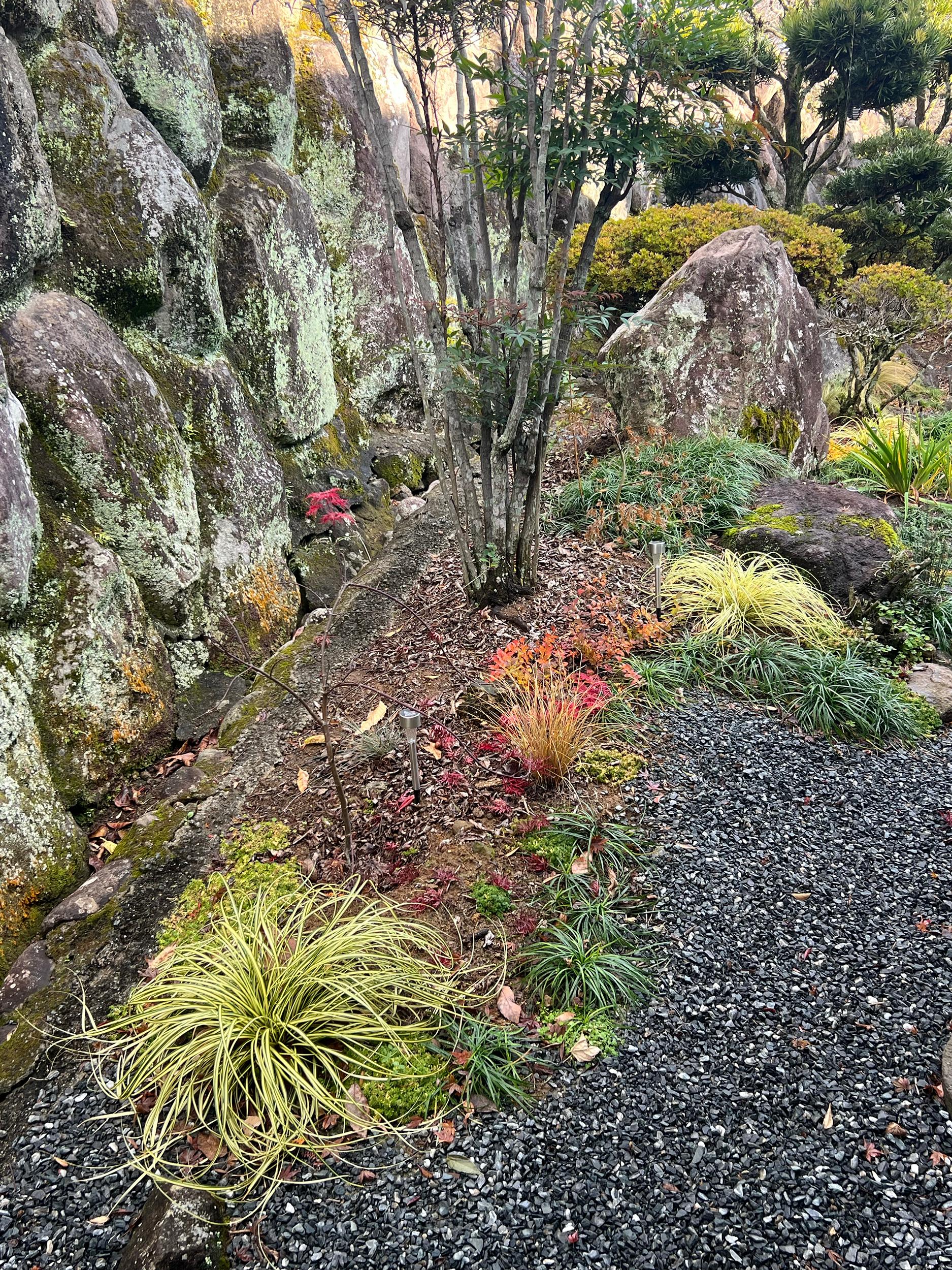
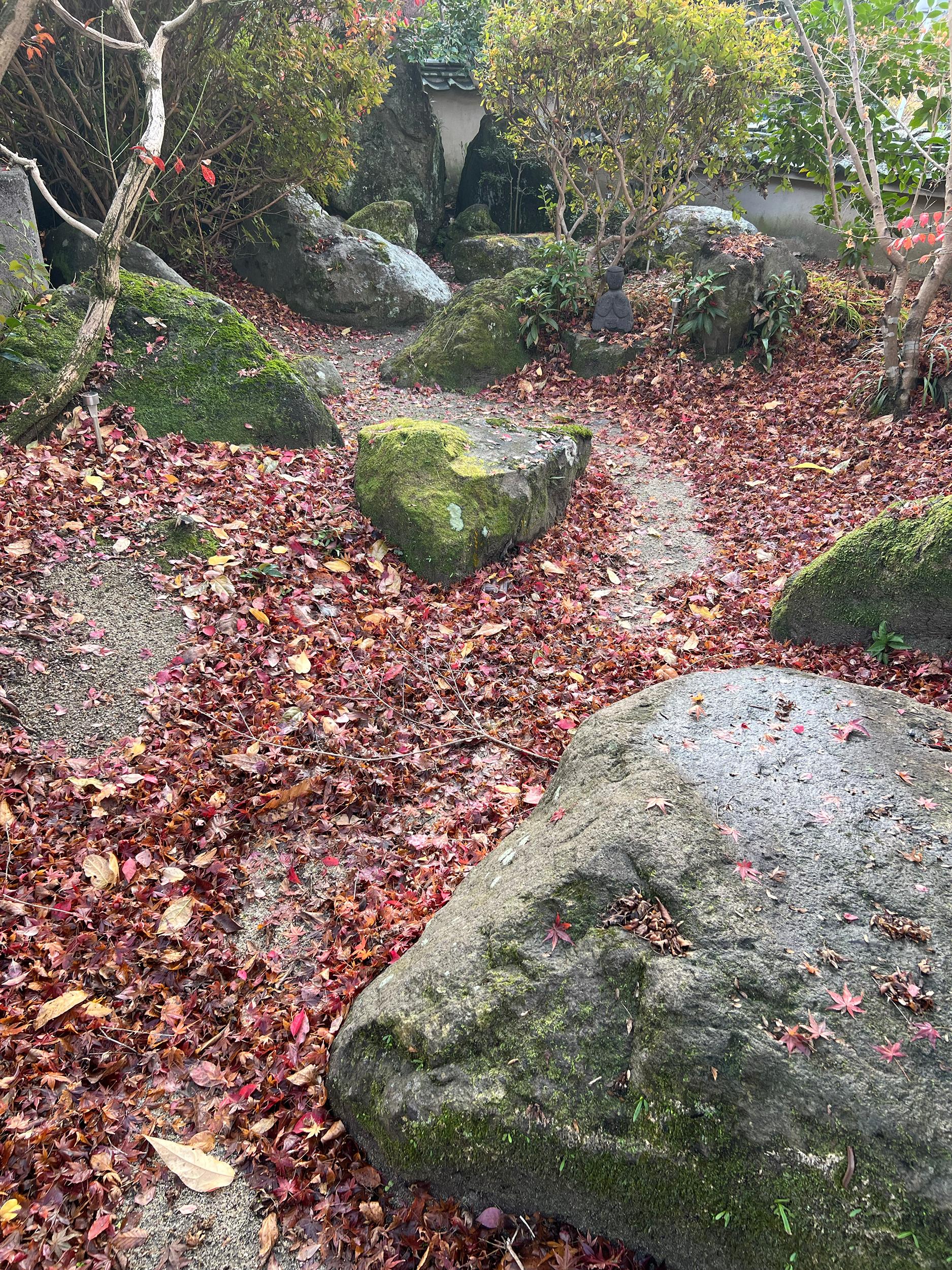
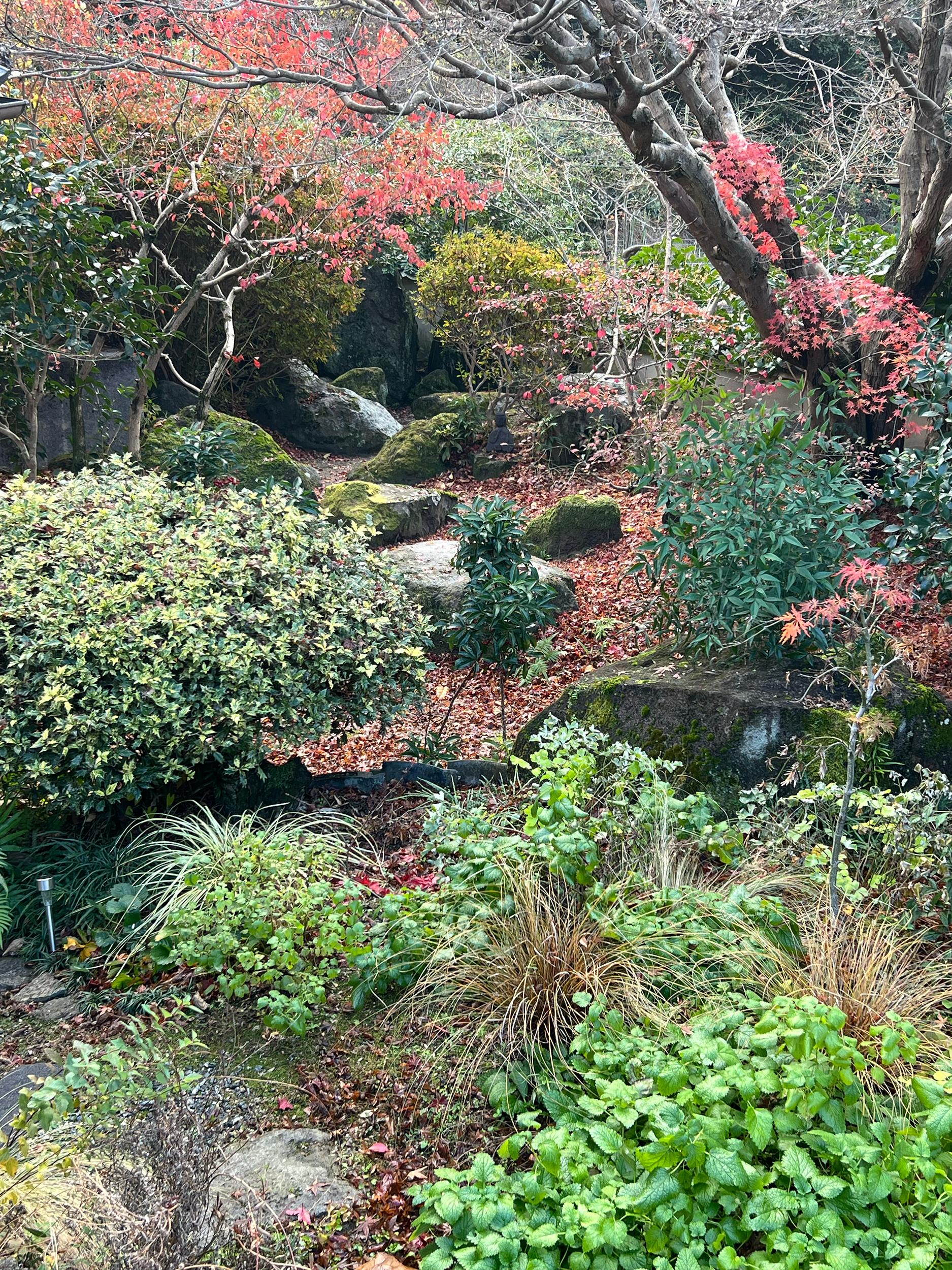
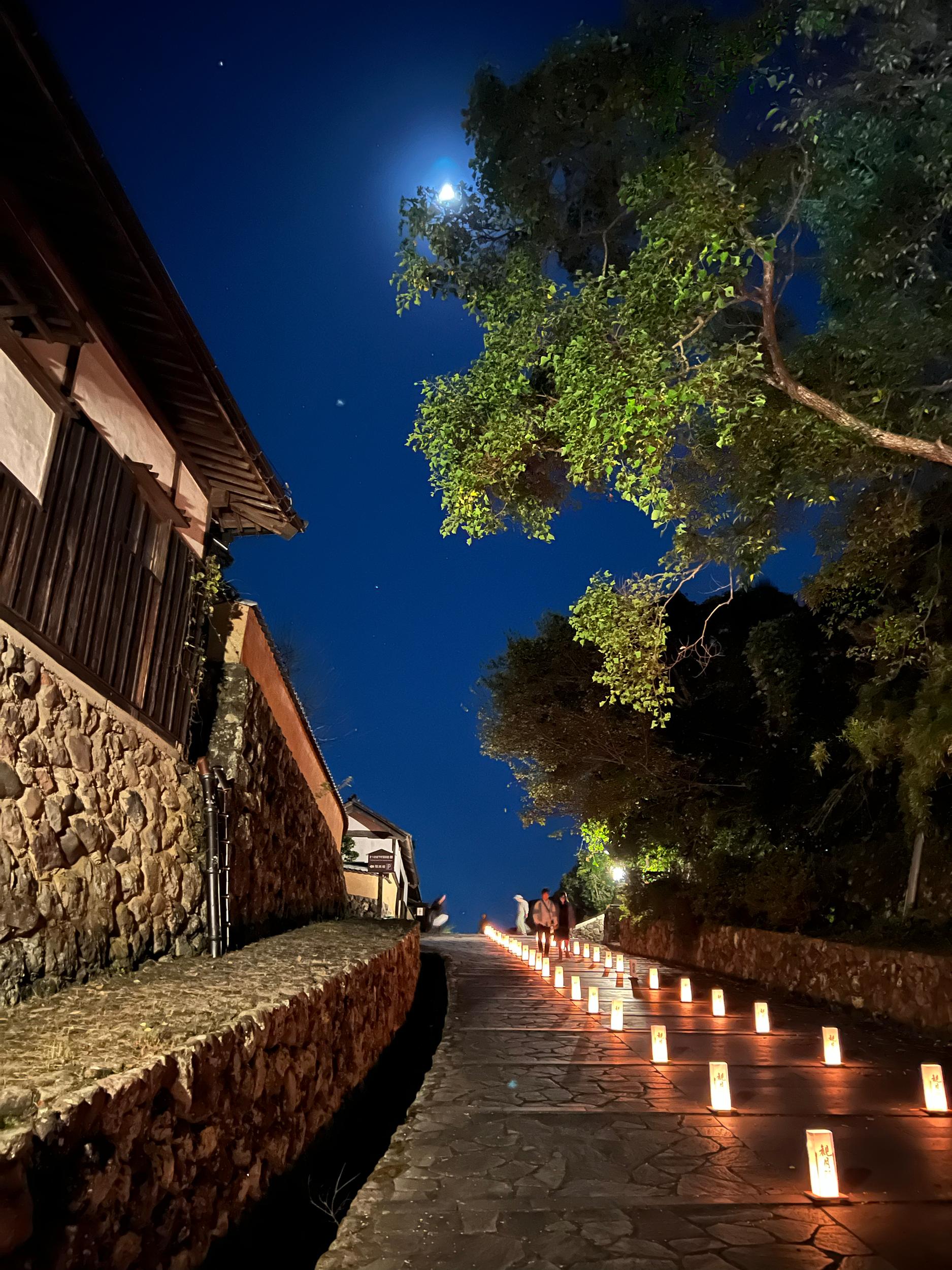
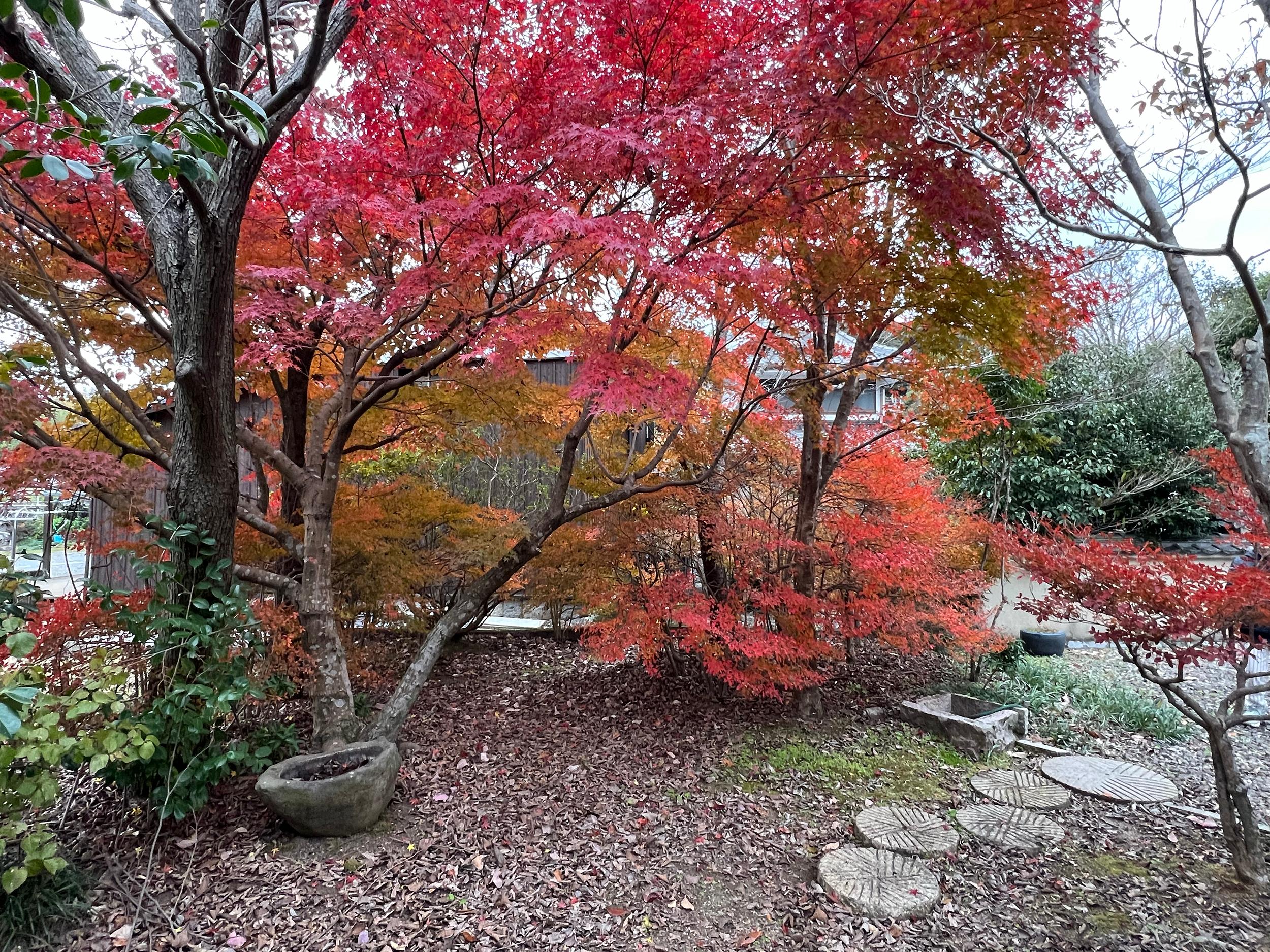
Meanwhile, the Japanese maples in the formal gardens are splendid shades of crimsons and reds from mid-October, and the forest is glorious. Autumn is a beautiful time to be here, and local harvest festivals and the famous Kitsuki Lantern festival can be enjoyed.
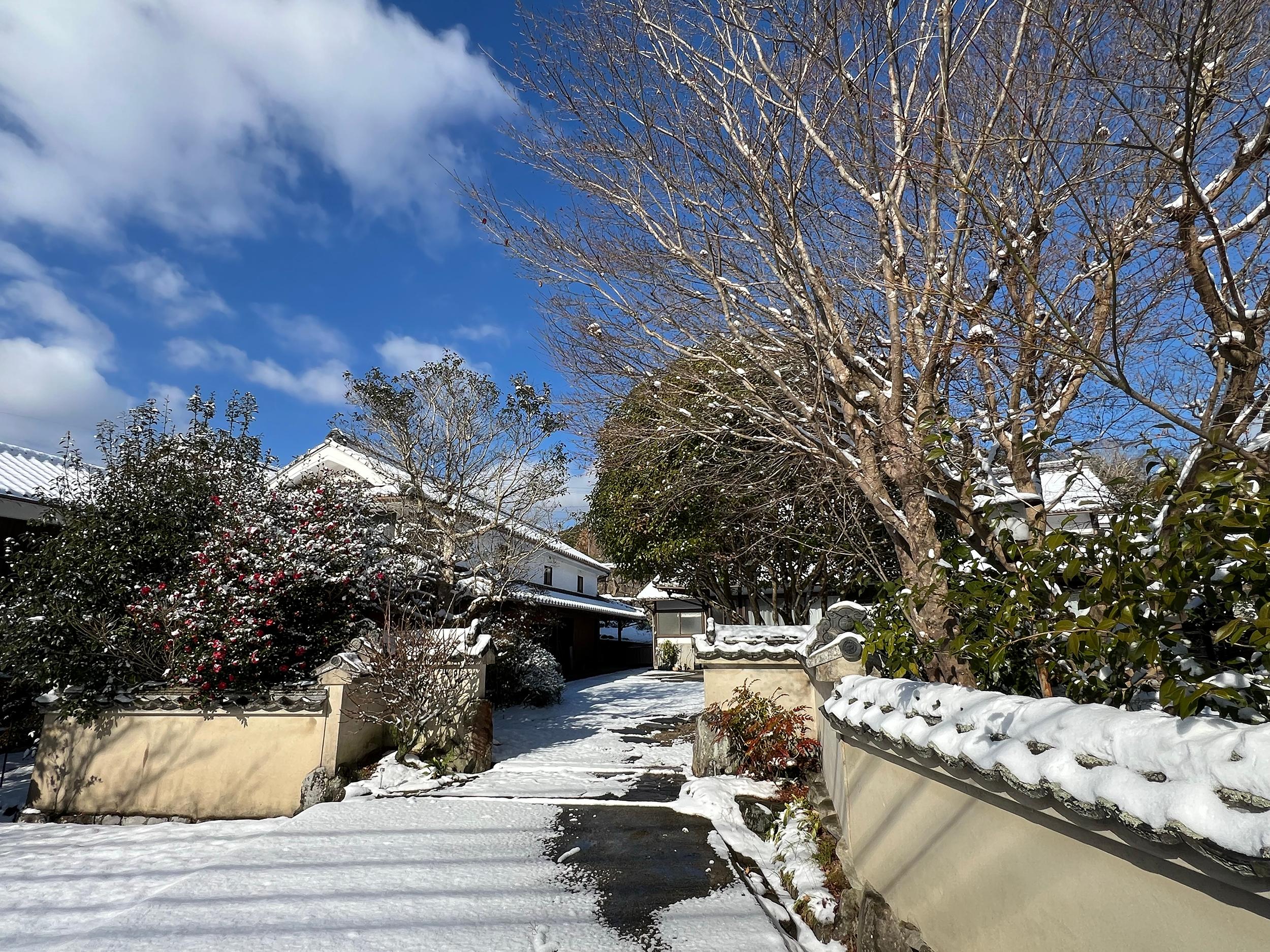
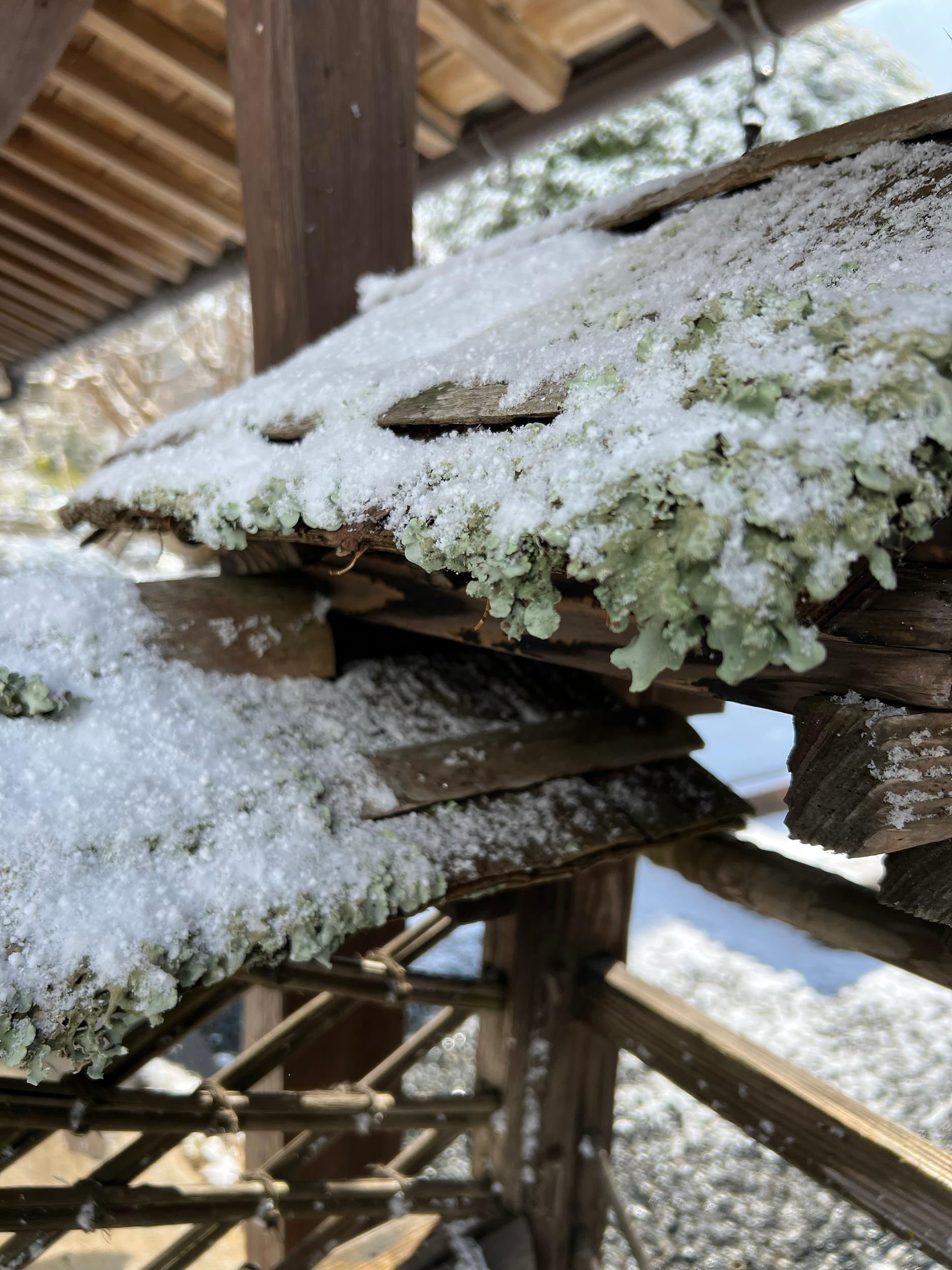
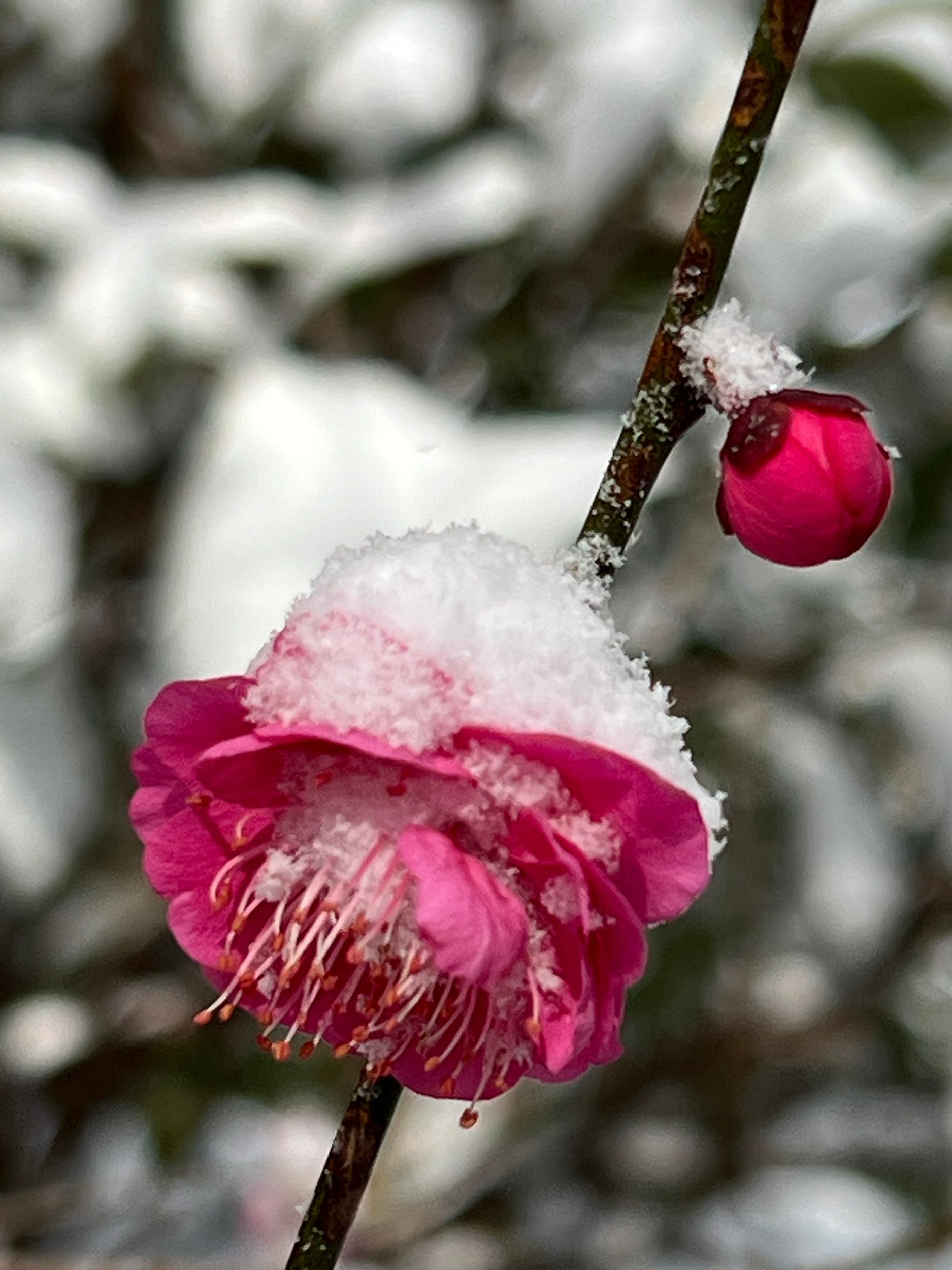
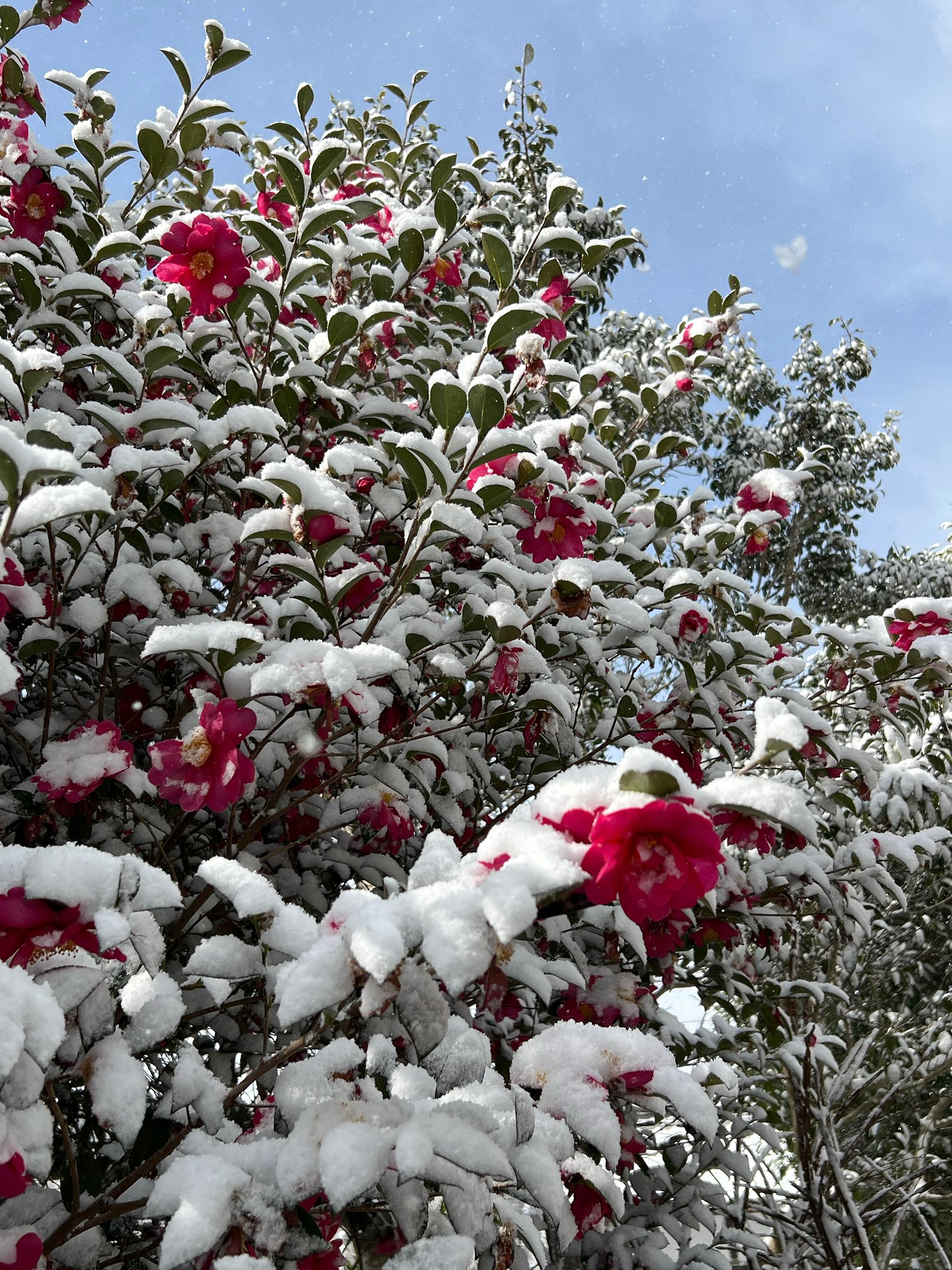
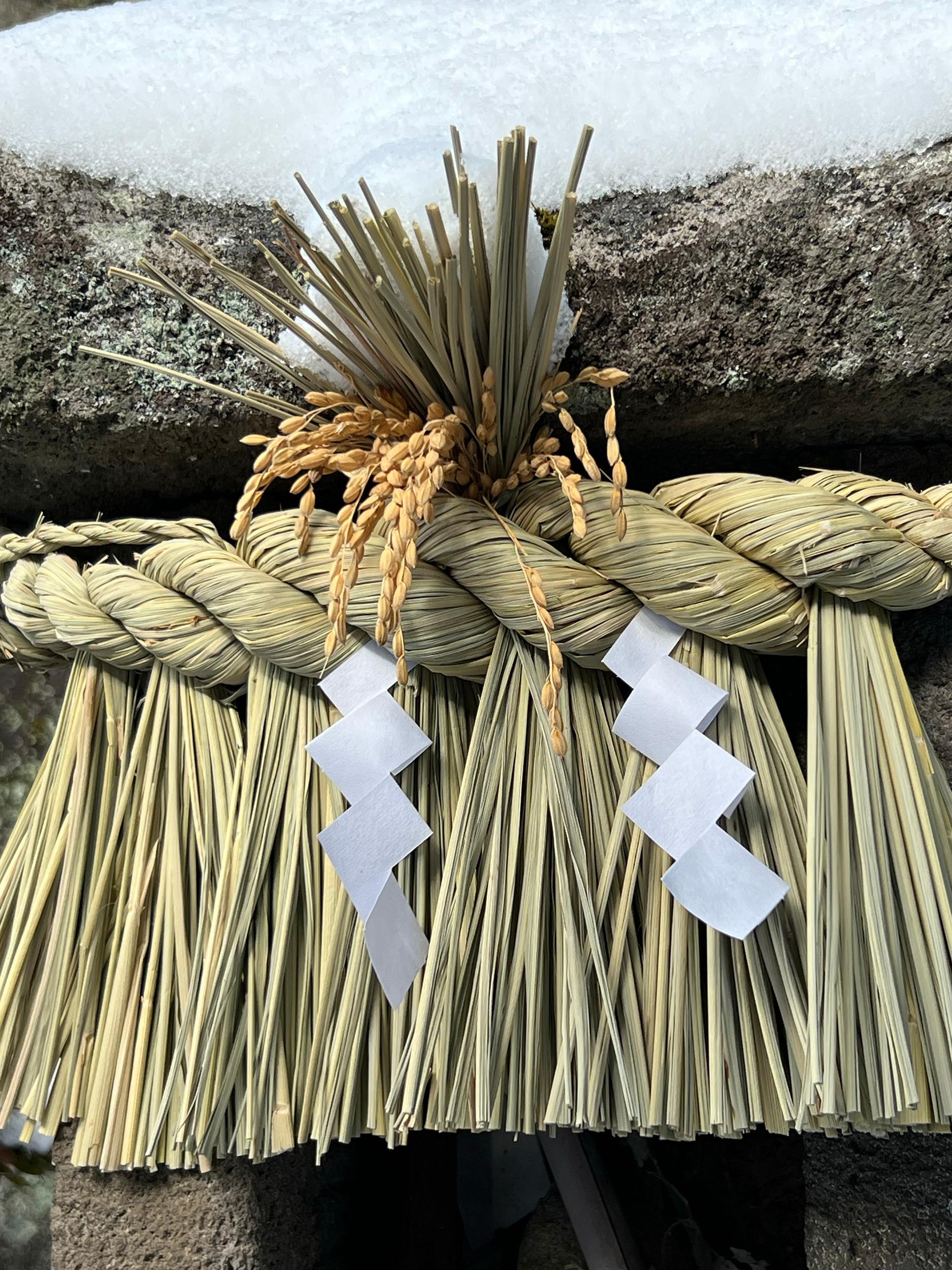
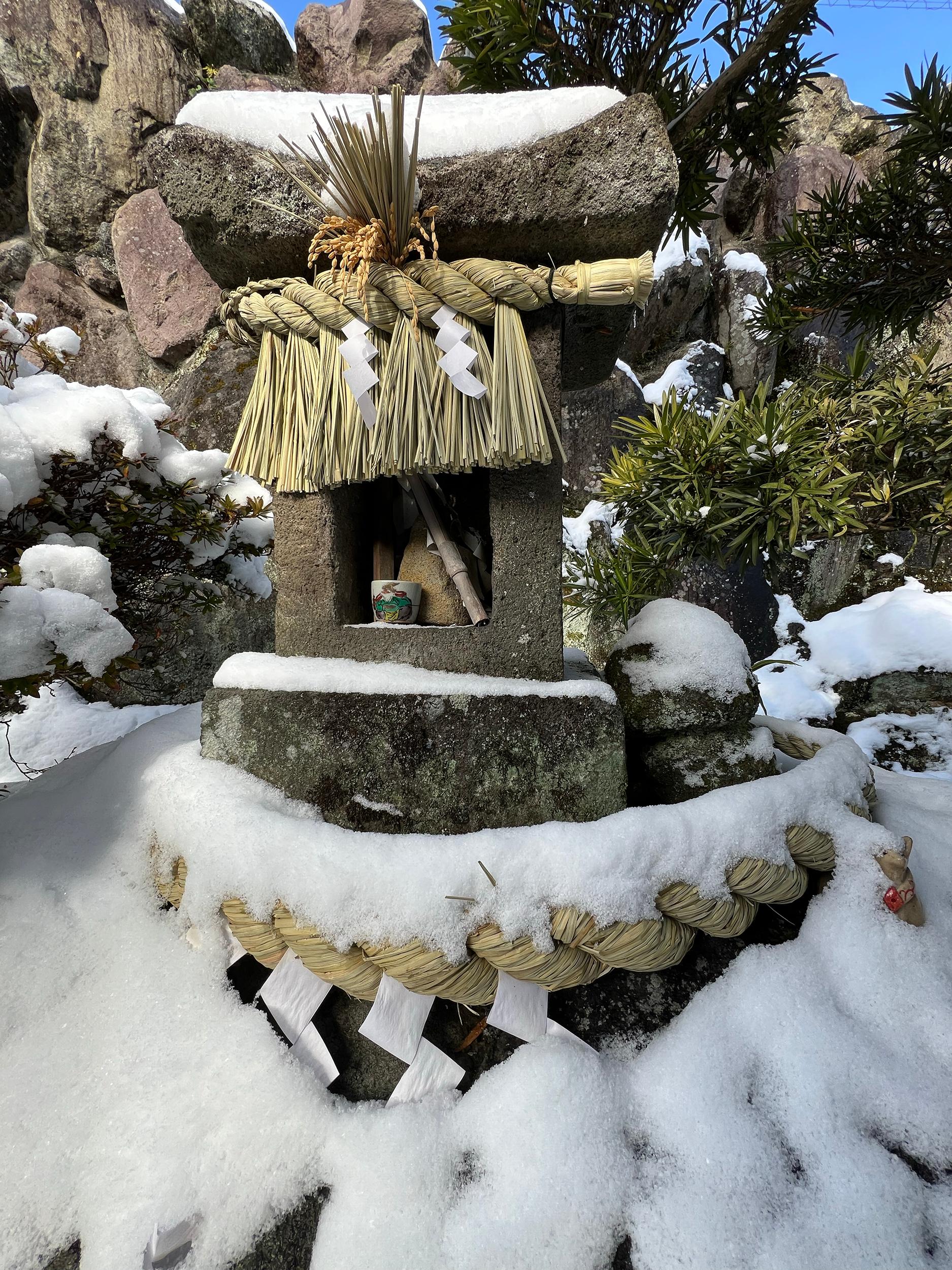
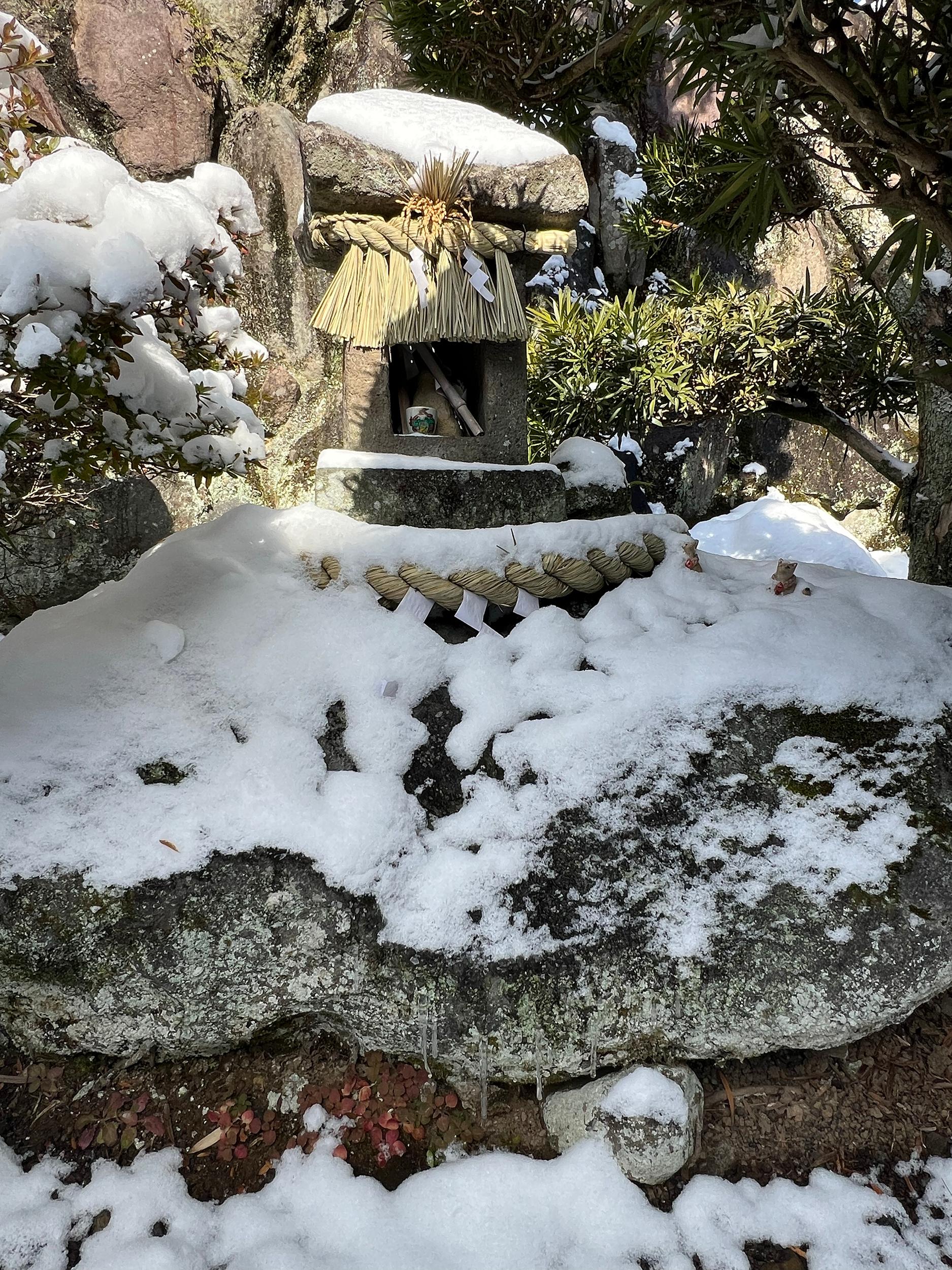
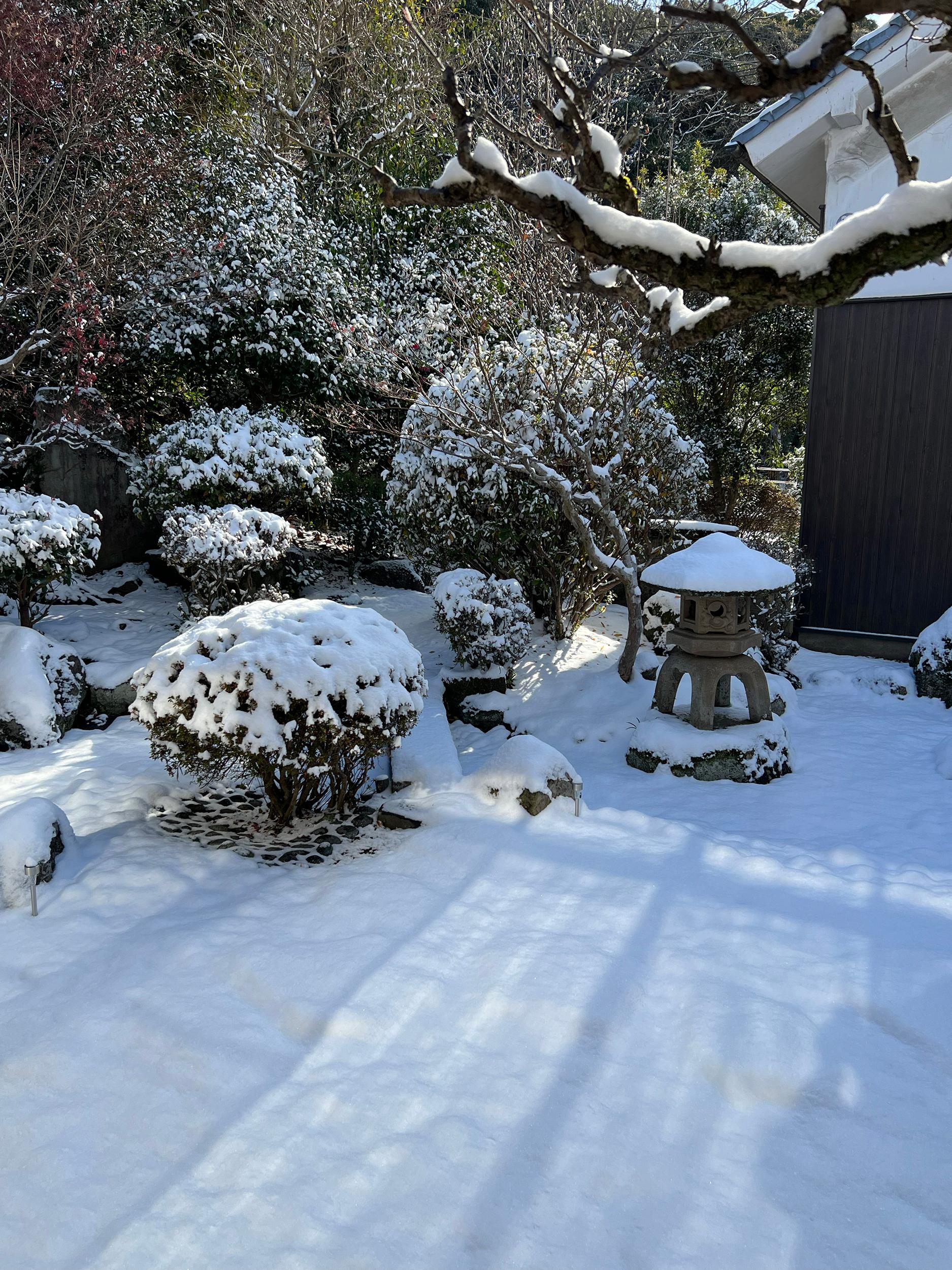
Winter 冬
Cool-season crops, the wide variety of greens like arugula and red oak leaf lettuce, spinach, edible chrysanthemum, spicy mustard greens and midnight purple kale, as well as broccoli, beautiful romani cauliflower and many kinds of root vegetables, are producing full tilt. The orchards have a rich variety of citrus fruits that can be eaten fresh, in salads, or made into syrups and marmalade.
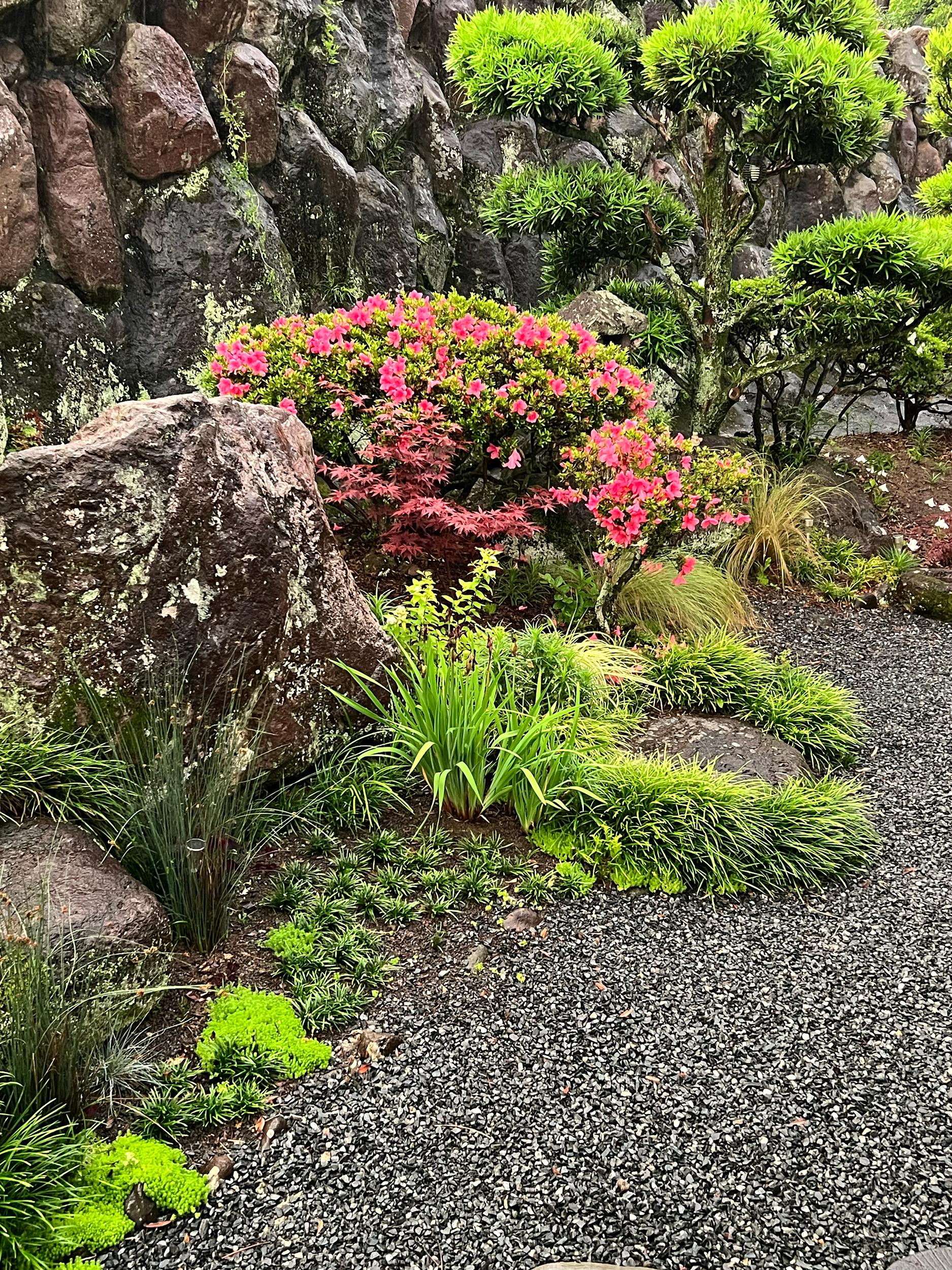
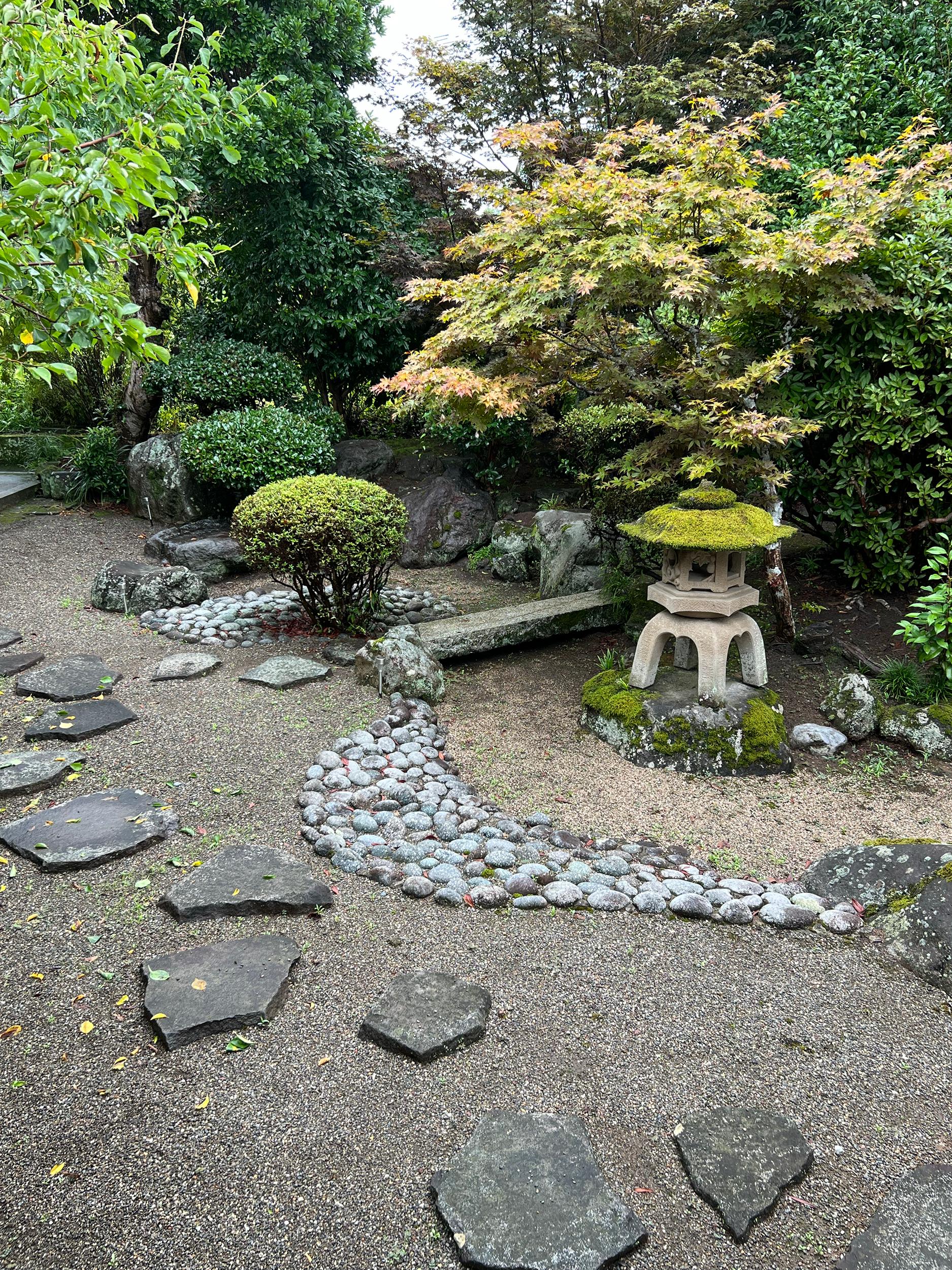
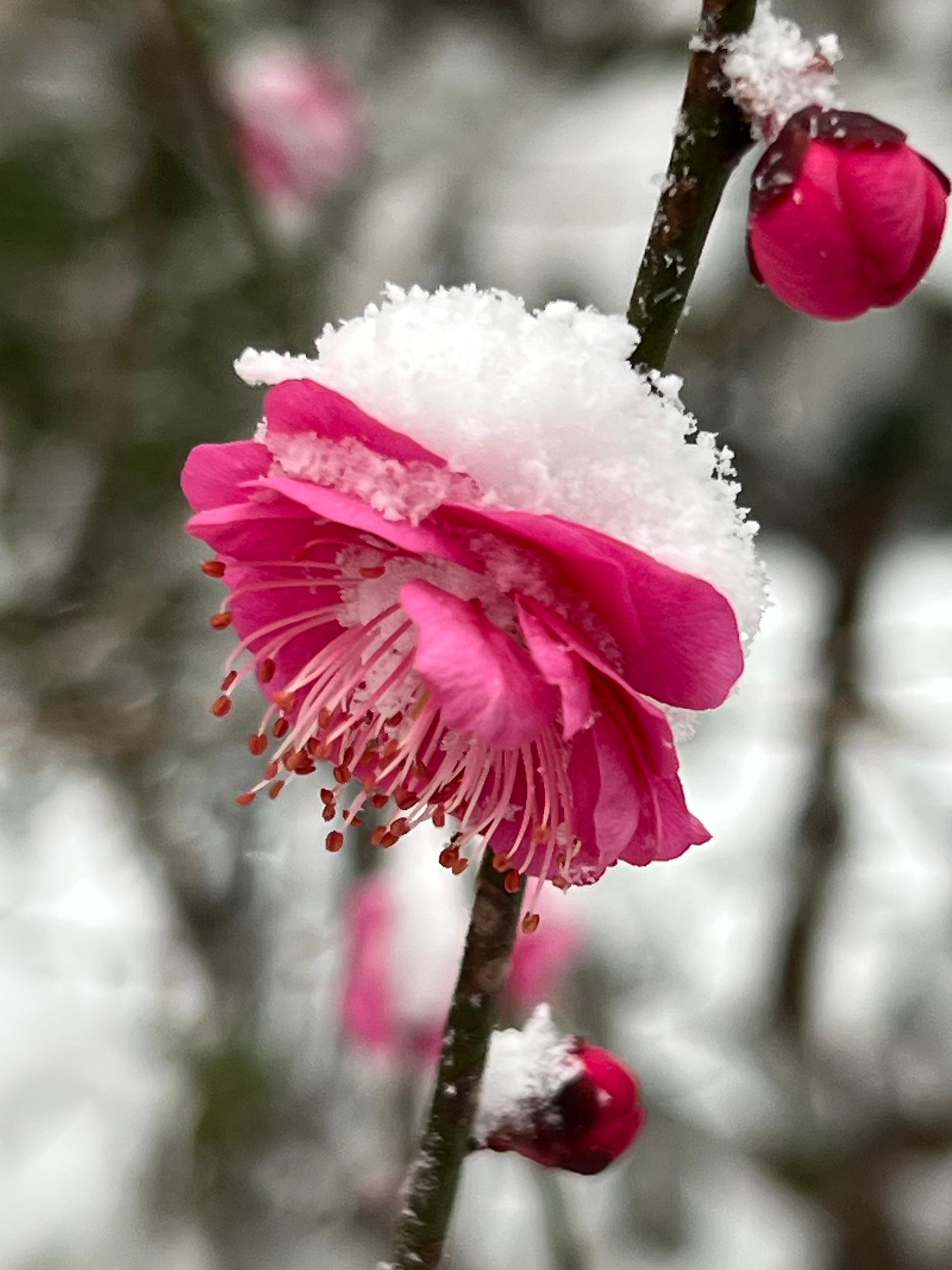
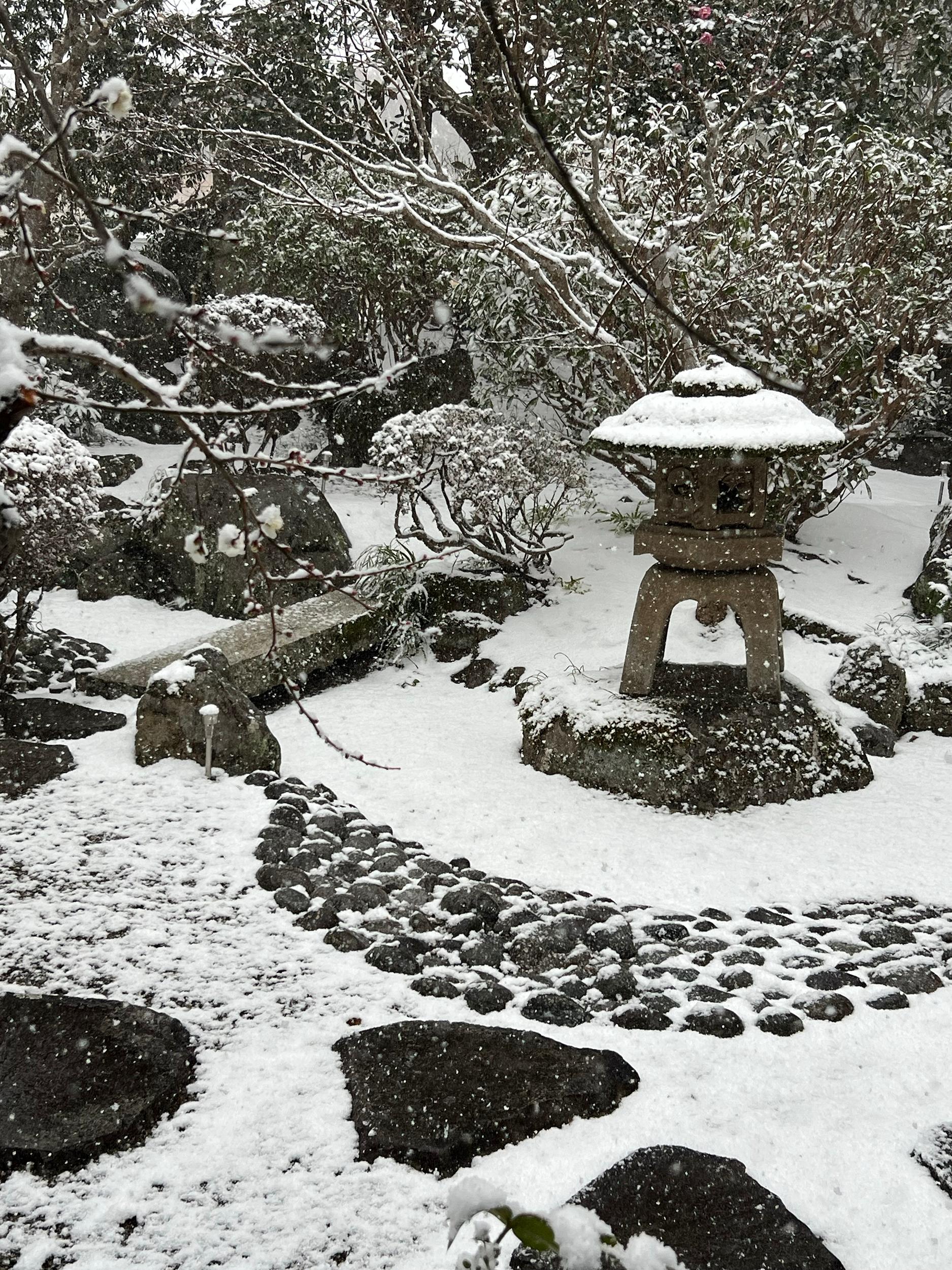
In the crisp air, we are busy trimming the trees and shrubs in the formal Japanese gardens around the house. It’s time for building projects, repairs, art, restoration.
Evenings are spent around the hibachi dreaming up new projects, drinking plum wine and doing puzzles together, or reading books, practicing guitar. Cozy cinema nights with popcorn in the salon, or sharing a traditional hot pot in the dining room while listening to the stories of other volunteers bring the crew closer together.
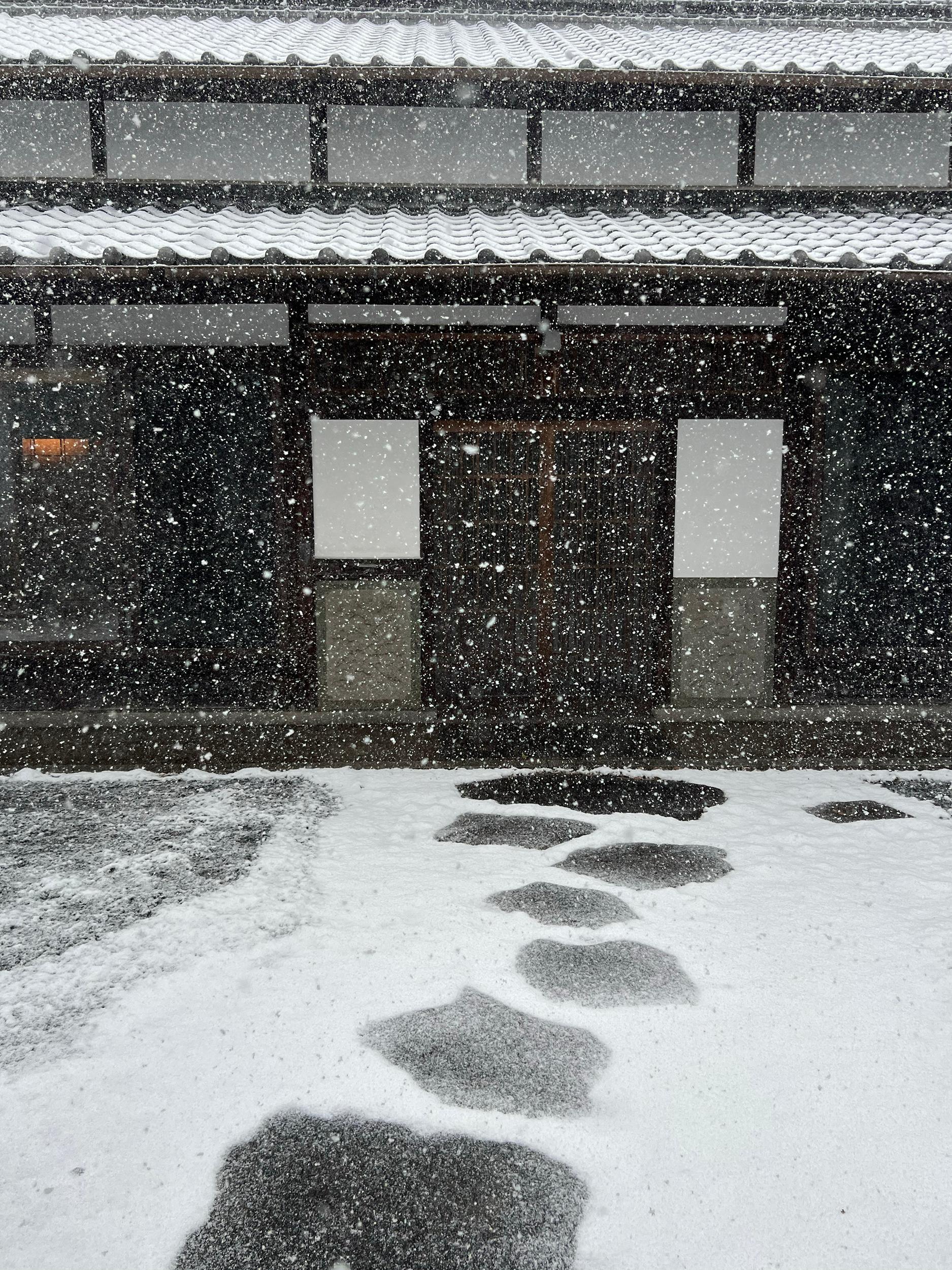
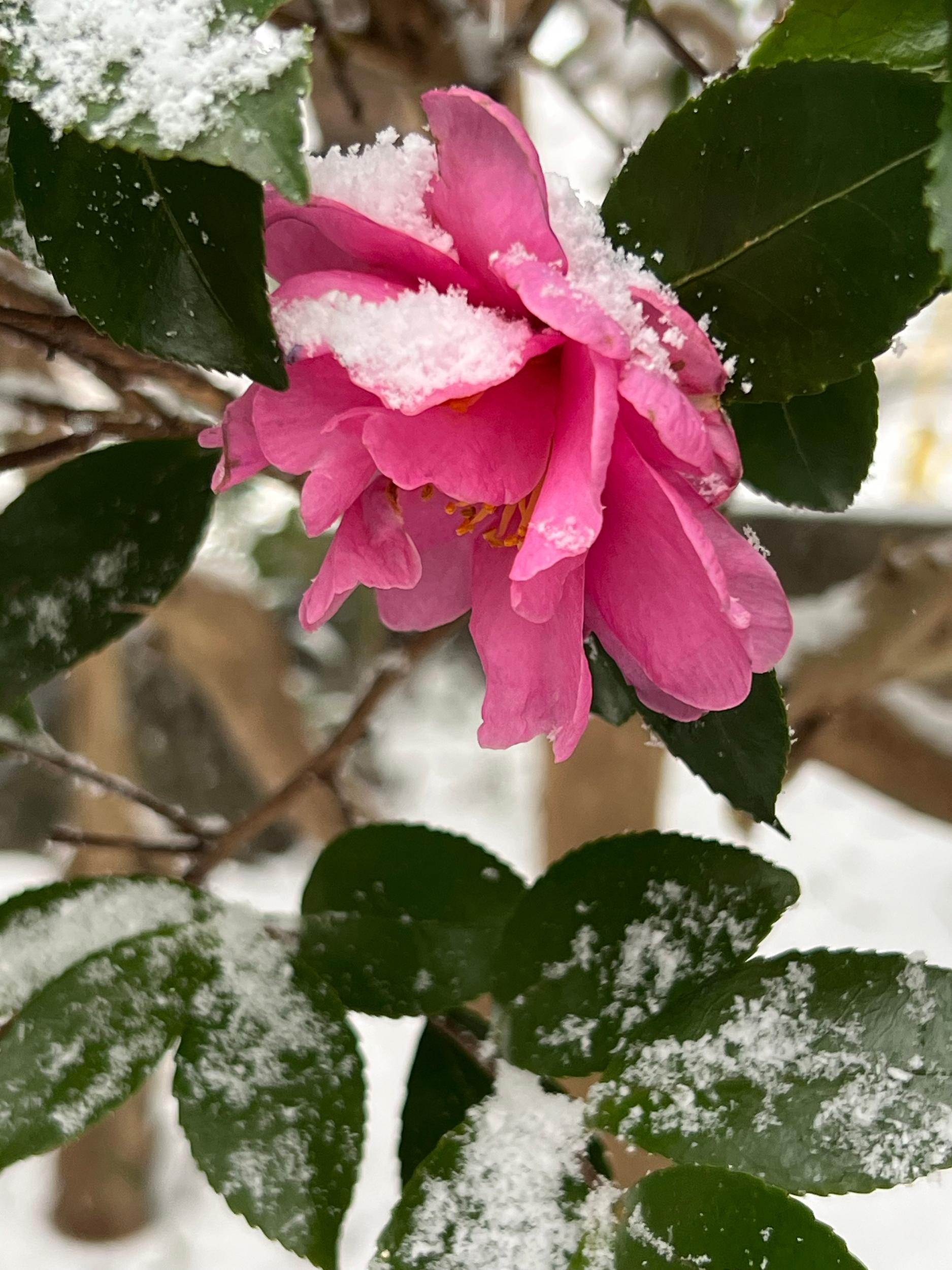
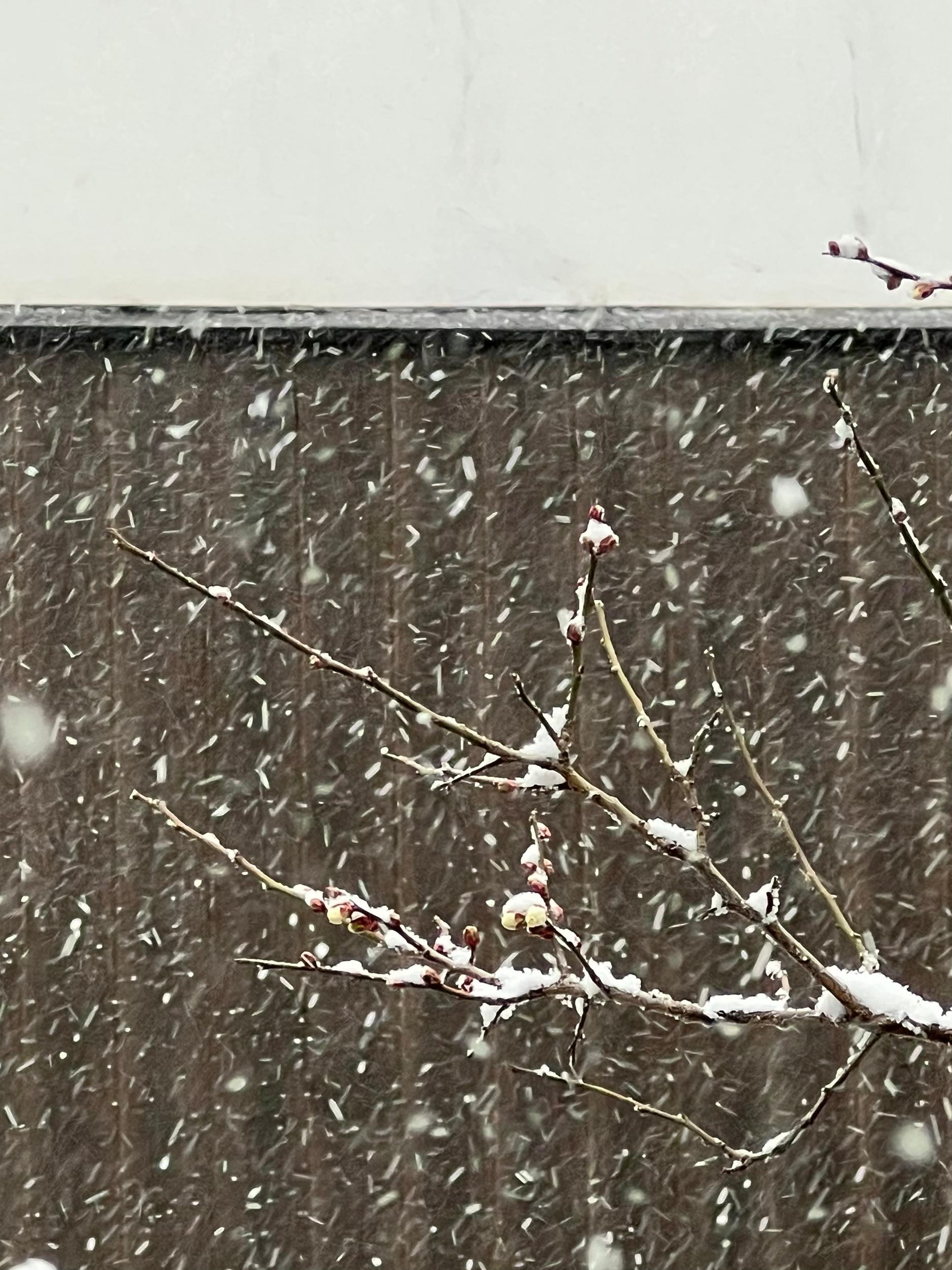
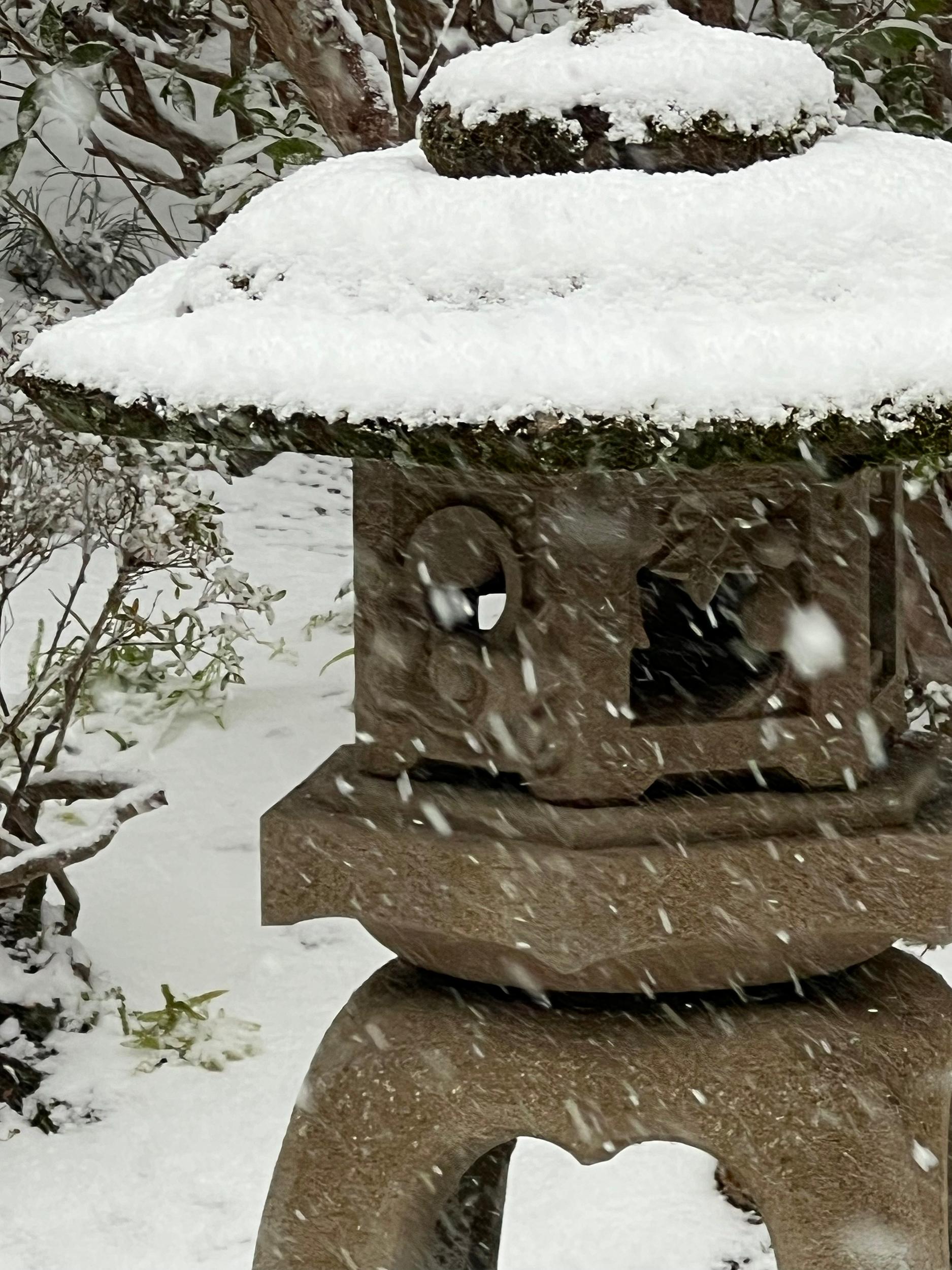
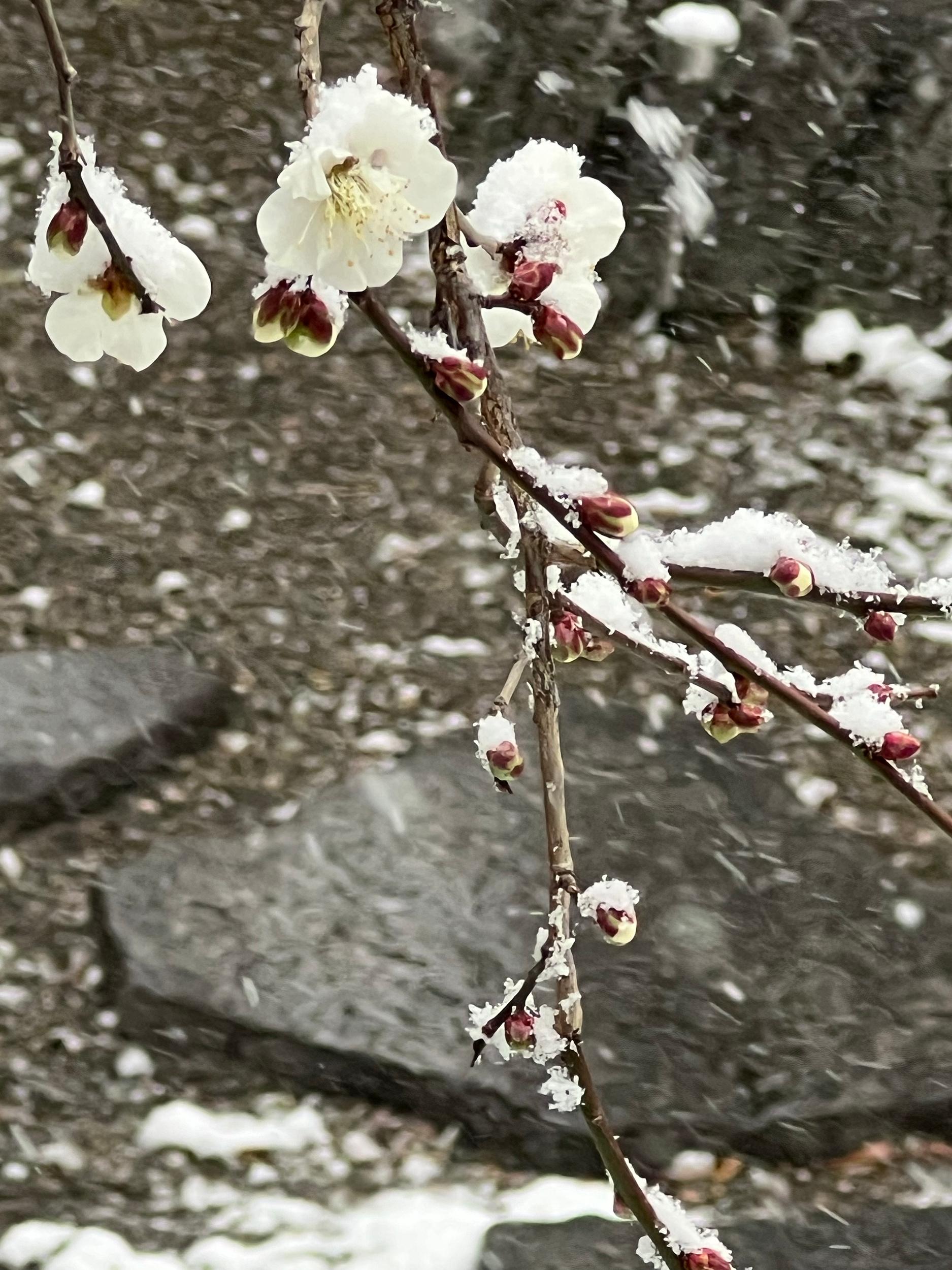
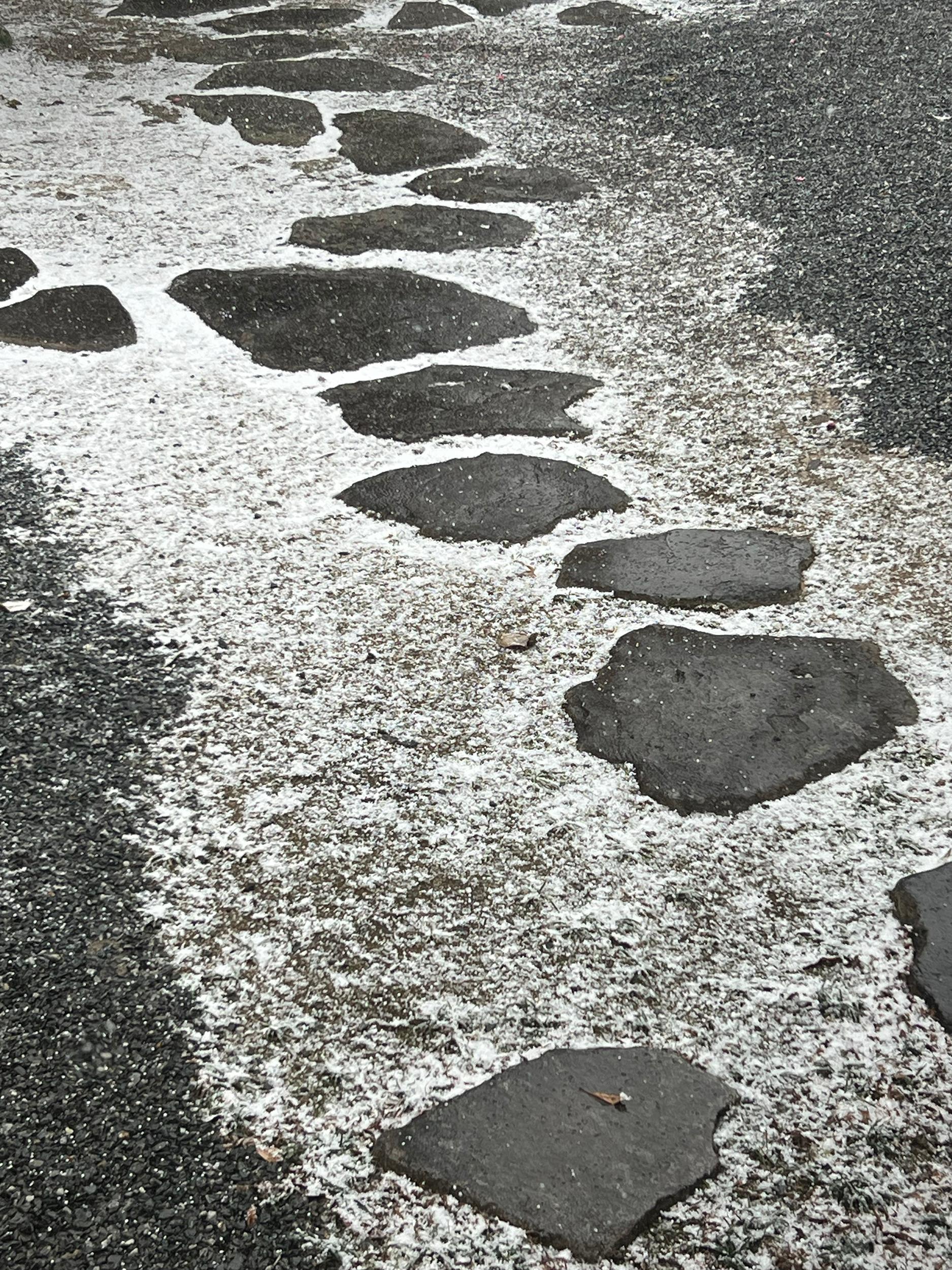
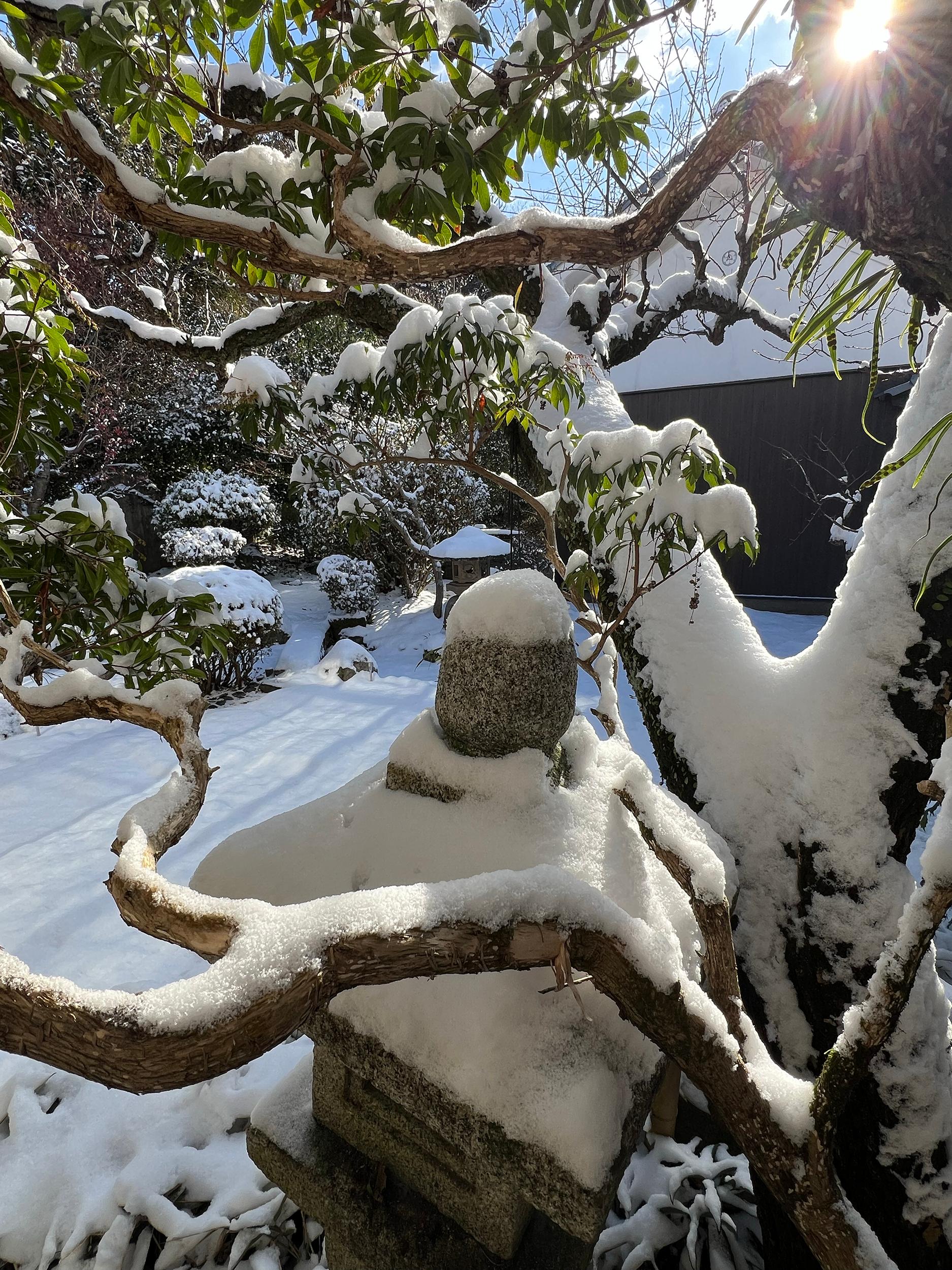
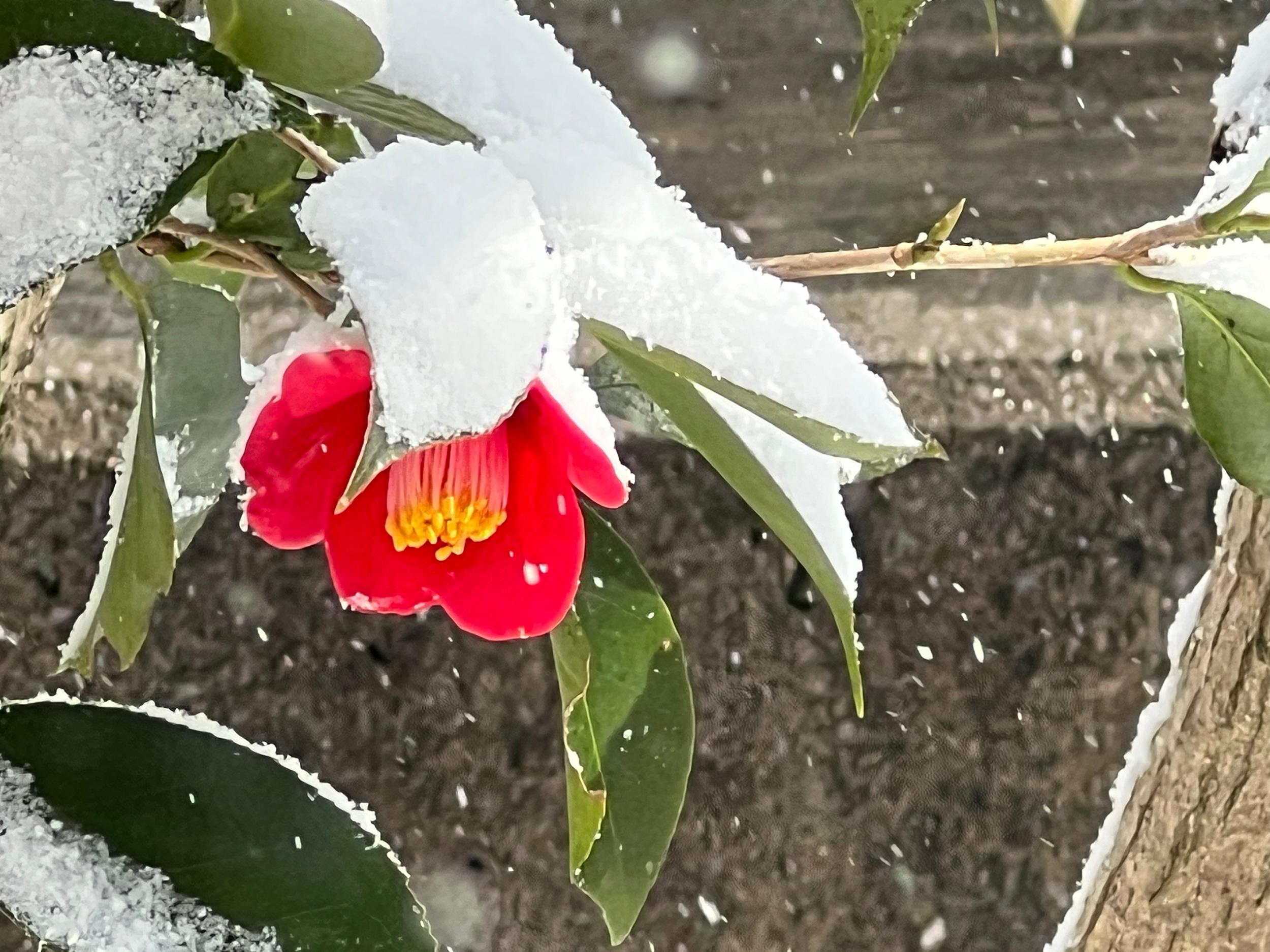
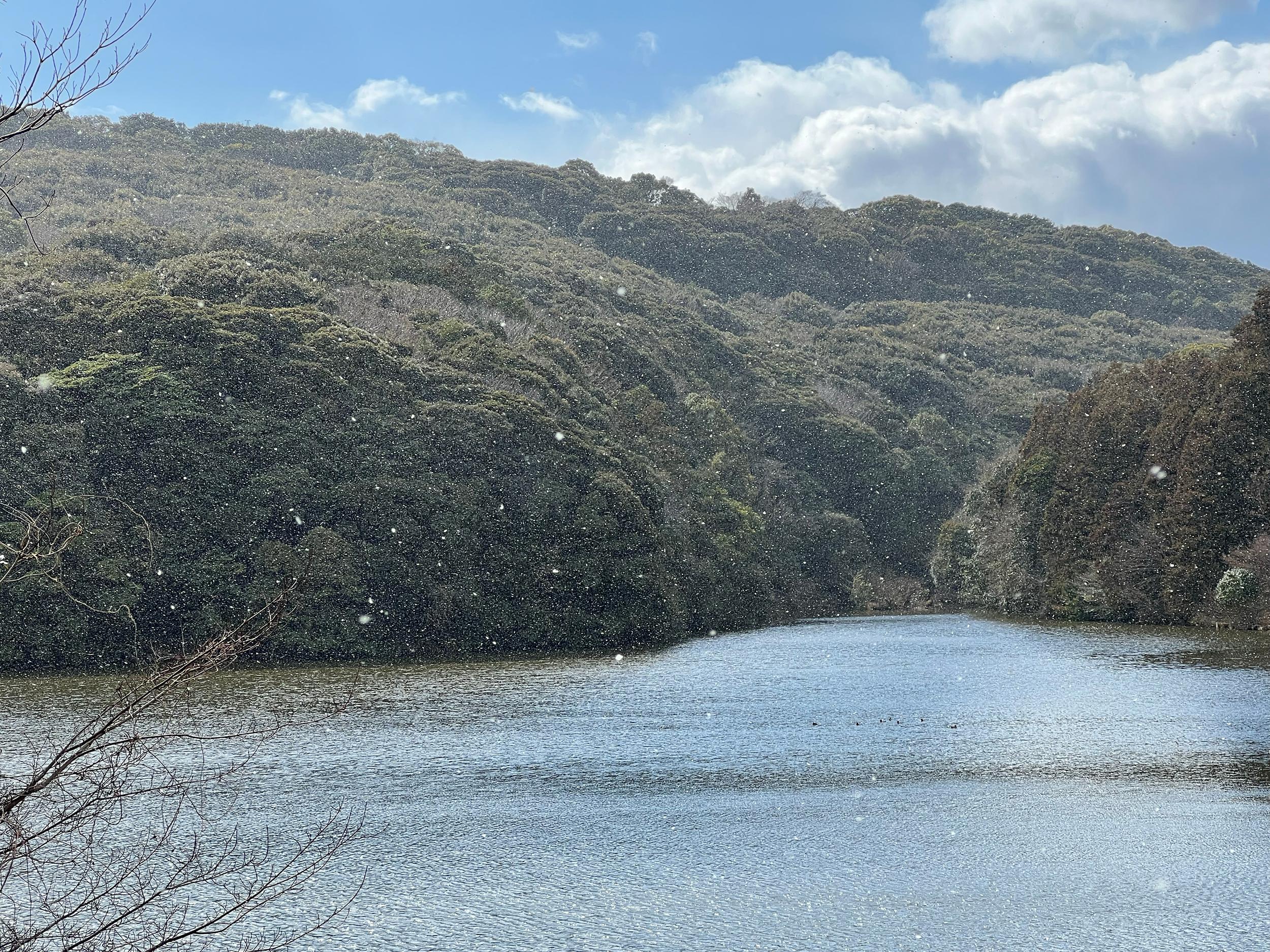
You may be able to enjoy quietly watching snow falling on the stone lanterns in the Japanese gardens, but winters here are fairly mild. It’s a quieter season on the farm, but there is plentiful food and plenty to do.
The project keeps going year-round.
Winter solitude—
in a world of one color
the sound of wind.
Fuyu gomori
warifu hitotsu no
kaze no oto